A conversation with Keywa Henri
A Kalin'a Tɨlewuyu artist from ‘French Guiana’, Keywa Henri explores memory, decoloniality and Indigenous resistance through poetic and political video and performance art. In this interview conducted by Anaïs Roesch, researcher and coordinator of the Common Ground programme at AWARE: Archives of Women Artists, Research and Exhibitions, they discuss their background, their studies, the development of their commitment and how their identity feeds into their work.
Anaïs Roesch: To begin with, could you tell us where you come from and what kind of environment you grew up in?
Keywa Henri: My heritage and identity are made up of many layers: historical, cultural and personal. I was born in ‘Guyana’ in 1993 to a Kalin'a Tɨlewuyu father and a Brazilian mother. On my mother’s side, my Indigenous grandfather, who faced dictatorial repression, took a vow of silence. On my father’s side, we are very proud to assert our identity, but in both cases we have experienced violence, both physical and symbolic, from a system that wants to erase us. In this context, how can we not lose sight of who we are, where we come from and what we stand for when the French Constitution does not even recognize us?
AR: You grew up in ‘French Guiana’ but studied art in Lyon. How did that work out for you?
KH: Yes, like all children from so-called ‘overseas territories’, I went to school in ‘French Guiana’ but had to leave for mainland France to continue my higher education because, until the 2000s, there was no university in ‘French Guiana’. I enrolled at the École des Beaux-Arts in Lyon because I was looking for a course that would give me some freedom. At the time, I was the only Indigenous student and the school was not designed for people like me. There was not a single black teacher, I couldn’t find any Indigenous references in the library… I had to look for examples elsewhere, in Brazil and Canada.
AR: Today, you define yourself as an artivist. How has your political stance evolved over the course of your career?
KH: When I started my studies, I didn’t want to highlight Indigenous issues because I didn’t want to participate in this folklorization, exploiting my uniqueness just to produce something. The art world is like the rest of the world: it infantilizes us.
But today, I fully embrace this position: being an Indigenous artist means speaking out in resistance. We are still too invisible; people are interested in us for what we have, but rarely for who we are.
AR: Ecology is present in your work, even if you don’t talk about it directly. Could you explain the link between this dimension and your commitment?
KH: For me, ecology is not a theme, it’s a way of being. In Kalin'a culture, we do not separate humans from the earth, nor the body from the land. We belong to a whole. When I talk about the destruction of forests, the disappearance of languages or poisoned rivers, I am not talking about ‘ecological’ politics, I am talking about my family, my home, what makes me who I am. I observe that today we talk a lot about ecology without ever really listening to the people who live these realities. The West wants to save the planet, but without us. Yet as the Indigenous Peoples' Climate Movement repeatedly affirms ‘we are the answer’!
AR: What changes would you like to see in this world?
KH: Today, from a societal point of view, we are accelerating our own collapse. But as Kalin'a Tɨlewuyu, the greater the threat, the greater our resistance. For me, art is a way of saying, ‘We are still here.’
We must reclaim the right to exist differently and refuse to be defined by the gaze of others. In this respect, the art world must also evolve; it cannot limit itself to exhibiting Indigenous artists but must also integrate them into its very functioning.
This interview was carried out within the framework of the Common Ground research programme by AWARE: Archives of Women Artists, Research & Exhibitions.
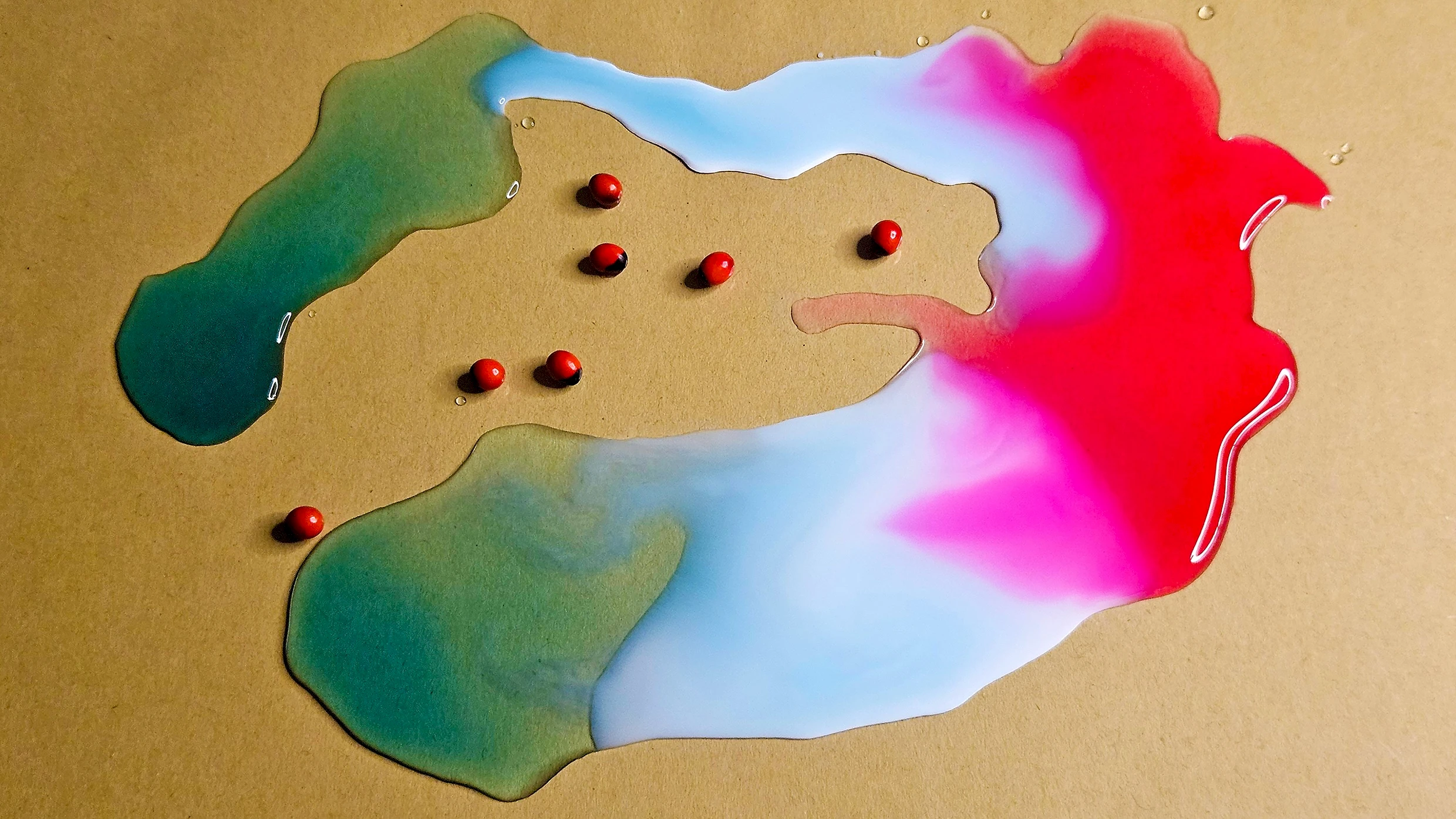
Keywa Henri, French Guiana, Photography, 2025.
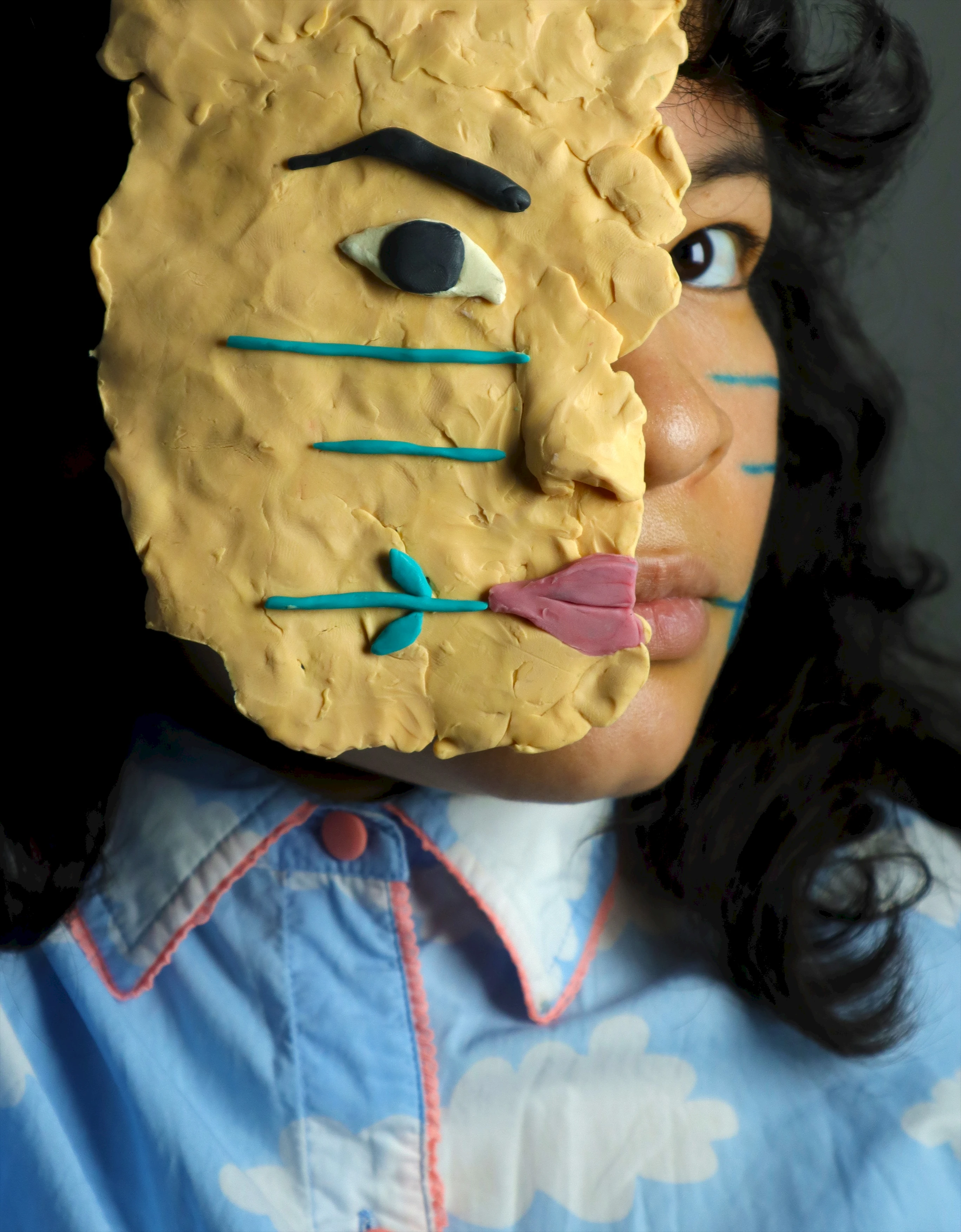
Keywa Henri, Portrait, 2025
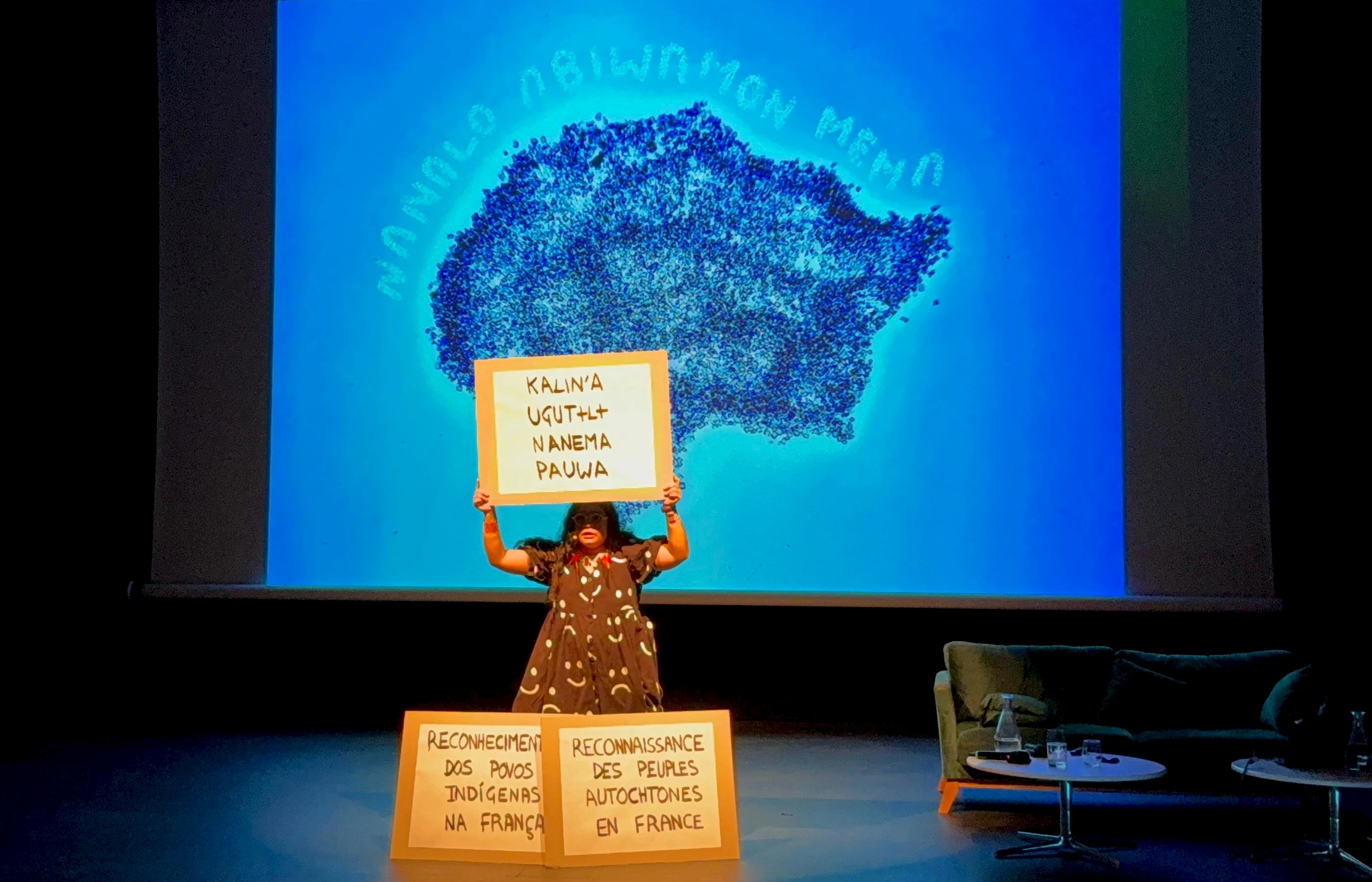
Keywa Henri, Nanalo Abiwanon méma (We are the Answer), Performance, Musée des Confluences de Lyon, 2025
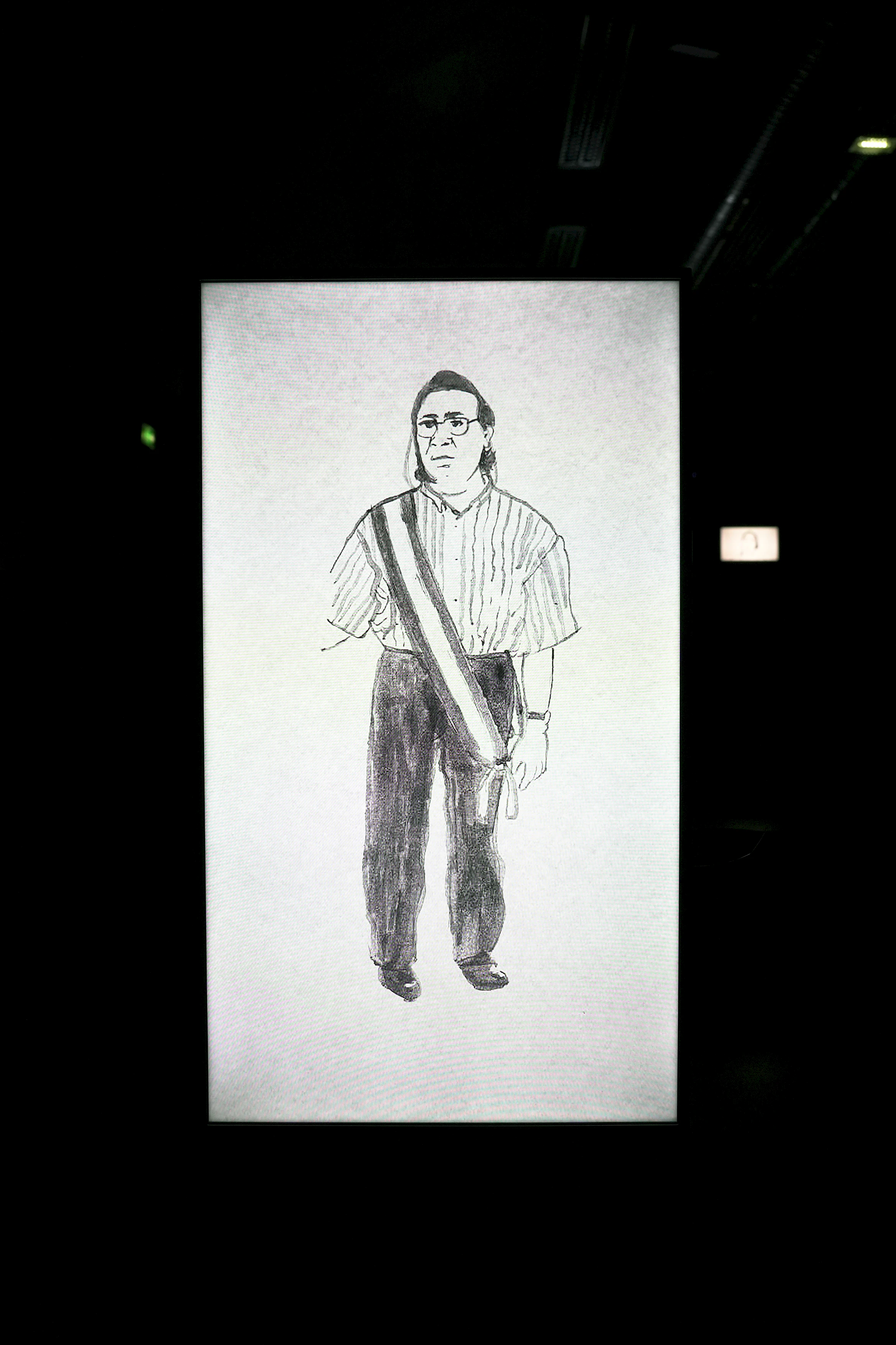
Keywa Henri, Atonin Winion (THROUGH), Installation, Exhibhition View, 2022. A portrait drawn with genipa's ink, from an archive of Keywa Henri's dad, Paul Henri, initiator of the Indigenous Movements in the 80's, in "French Guiana"
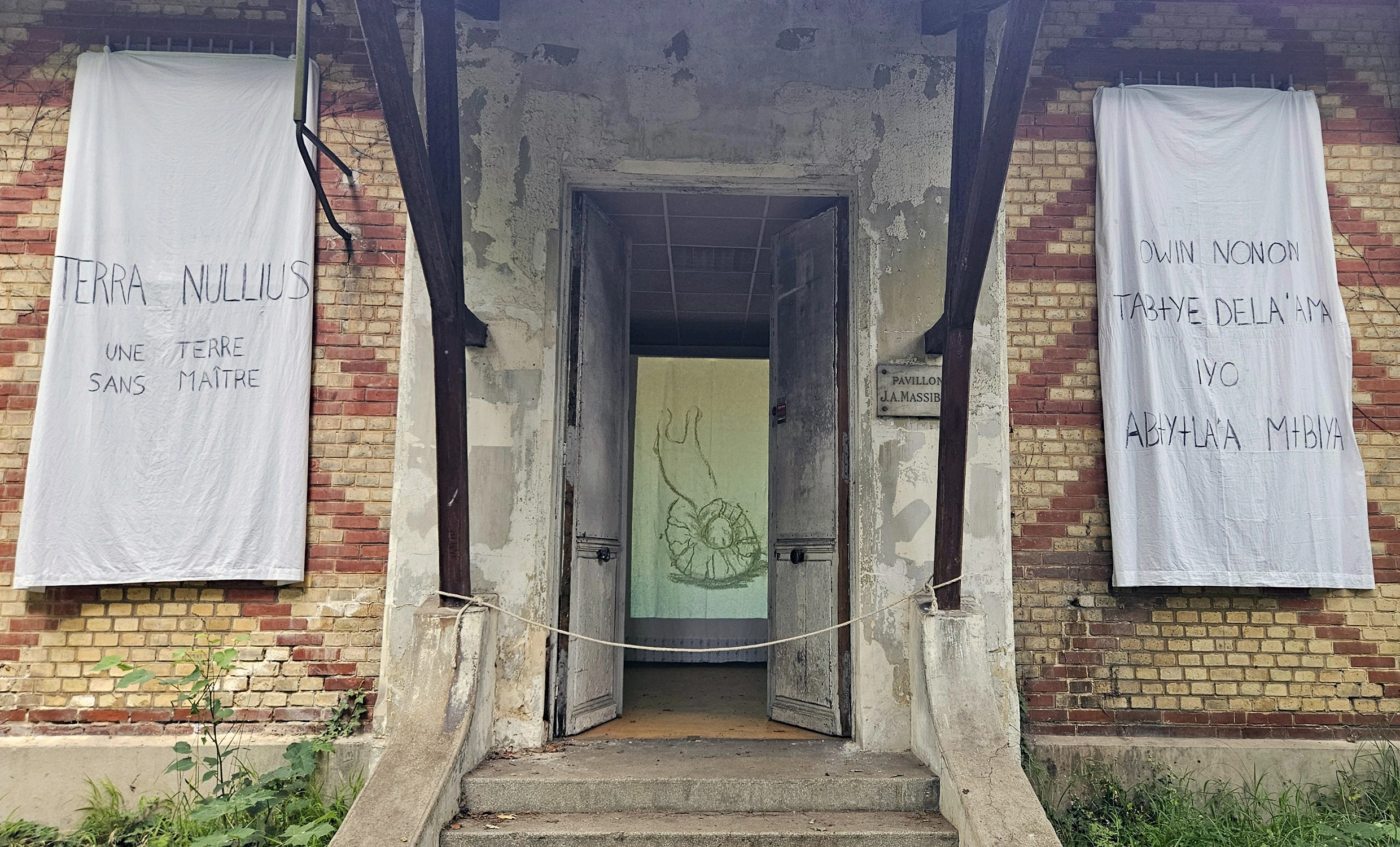
Keywa Henri, Yatɨ ayatɨ enaha moloma (My house is your house), Installation, Exhibition view at the Jardin d'Agronomie Tropicale de Vincennes - former colonial French Guiana pavillion, 2025
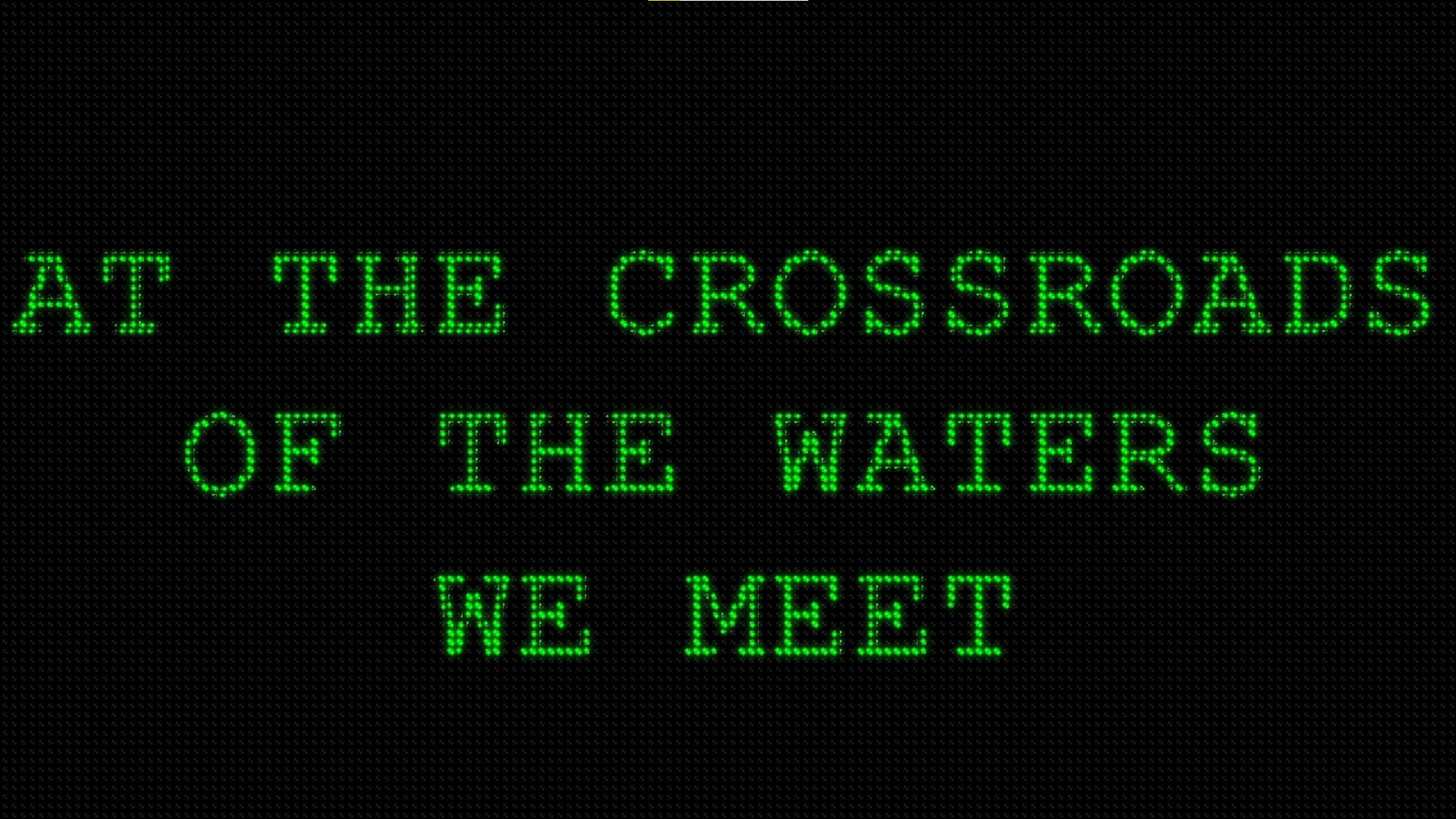
Keywa Henri, EKALITIO AGAIN (I TELL YOU AGAIN), Installation, 2024
Related contributions and publications
-
Climate Forum IV – Readings
Merve BedirLand RelationsHDK-Valand -
Decolonial aesthesis: weaving each other
Charles Esche, Rolando Vázquez, Teresa Cos RebolloLand RelationsClimate -
Climate Forum I – Readings
Nkule MabasoEN esLand RelationsClimateHDK-Valand -
…and the Earth along. Tales about the making, remaking and unmaking of the world.
Martin PogačarLand RelationsClimatePast in the Present -
Art for Radical Ecologies Manifesto
Institute of Radical ImaginationLand RelationsClimateInstitute of Radical Imagination -
Ecologising Museums
Land Relations -
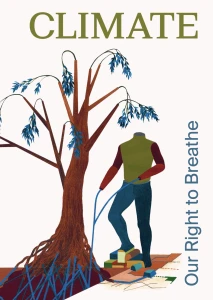
Climate: Our Right to Breathe
Land RelationsClimate
Related activities
-
HDK-Valand
Climate Forum IV
The Climate Forum is a series of online meetings hosted by HDK-Valand within L’Internationale’s Museum of the Commons programme. The series builds upon earlier research resulting in the (2022) book Climate: Our Right to Breathe and reaches toward emerging change practices.
-
HDK-Valand
Climate Forum I
The Climate Forum is a space of dialogue and exchange with respect to the concrete operational practices being implemented within the art field in response to climate change and ecological degradation. This is the first in a series of meetings hosted by HDK-Valand within L'Internationale's Museum of the Commons programme.
-
–Van Abbemuseum
The Soils Project
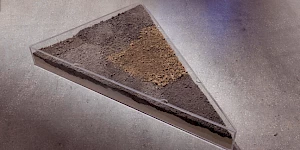
‘The Soils Project’ is part of an eponymous, long-term research initiative involving TarraWarra Museum of Art (Wurundjeri Country, Australia), the Van Abbemuseum (Eindhoven, Netherlands) and Struggles for Sovereignty, a collective based in Yogyakarta, Indonesia. It works through specific and situated practices that consider soil, as both metaphor and matter.
Seeking and facilitating opportunities to listen to diverse voices and perspectives around notions of caring for land, soil and sovereign territories, the project has been in development since 2018. An international collaboration between three organisations, and several artists, curators, writers and activists, it has manifested in various iterations over several years. The group exhibition ‘Soils’ at the Van Abbemuseum is part of Museum of the Commons. -
–tranzit.ro
Non-Western Technologies for the Good Life
The experimental course ‘Non-Western Technologies for the Good Life’ (November 2023–May 2024) celebrates as its starting point the anniversary of 50 years since the publication of Tools for Conviviality, considering that Ivan Illich’s call is as relevant as ever.
-
–Institute of Radical Imagination
Gathering into the Maelstrom
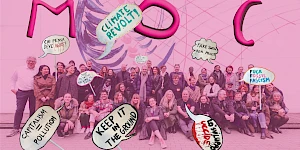
‘Gathering into the Maelstrom’ in Venice at Sale Docks is a four-day programme curated by Institute of Radical Imagination (IRI) and Sale Docks.
-
–Institute of Radical Imagination
Gathering into the Maelstrom (exhibition)
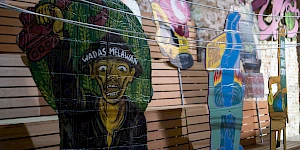
‘Gathering into the Maelstrom’ is curated by Institute of Radical Imagination and Sale Docks within the framework of Museum of the Commons.
-
HDK-Valand
Climate Forum II
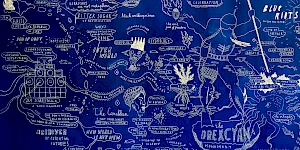
The Climate Forum is a series of online meetings hosted by HDK-Valand within L’Internationale’s Museum of the Commons programme. The series builds upon earlier research resulting in the (2022) book Climate: Our Right to Breathe and reaches toward emerging change practices.