Translated into Socialism: An experiment in internationalism
Nick to add.
The exhibition ‘Translated into Socialism’ presents the little-known history of the Turkish-speaking community in Yugoslavia, or more precisely, in Kosovo and Macedonia between 1920 and 1980. 1 It explores how this community affirmed and transformed its identity during the Kingdom of Yugoslavia and later in the Socialist Federal Republic of Yugoslavia (Socialist Yugoslavia) through newspapers, periodicals, schools and various cultural and political organizations. The interconnectedness of these initiatives provides a nuanced perspective that challenges mainstream approaches to nationalism and questions the discourse on Yugoslavia as ‘totalitarian’ and ‘ethnonationalist’ that was consolidated by its traumatic break-up during the 1990s wars. The exhibition reworks historical materials sourced from private archives and public libraries, many of which are being unearthed for the first time. These materials are juxtaposed with contemporary works by Mustafa Emin Büyükcoşkun, Yane Calovski, Hana Miletić, Ahmet Öğüt, Fevzi Tüfekçi and Dilek Winchester to open up a dialogue between historical and contemporary perspectives. Focusing on different actors and thresholds, the project as a whole offers cross-readings between present and past.
Merve Elveren: ‘Translated into Socialism’ brought to light archival documents relating to many prominent figures in Yugoslavia’s Turkish-speaking community and the structures they built. Could you elaborate on how you started this research and how the project evolved over time?
Tevfik Rada: We should begin with the prehistory of the project. In fact, the initial phase of our research was based on a different idea. Both Sezgin and I come from the Turkish community in Prizren, so we were familiar with the Turkish-language literature published in Yugoslavia. Many of us grew up reading it. We had – and still have – all these materials, books and periodicals in our libraries. More than that, we personally knew most of the prominent figures who built and were part of this scene, many of whom were still alive when we were growing up.
In the 1990s, after the break-up of Yugoslavia, almost all of these figures underwent a drastic nationalist shift, aligning themselves with Turkish state and civil society institutions. This is a familiar story. As a side note, nearly all of them turned a blind eye to the exhibition in Istanbul. None of the Turkish-language media from Kosovo or Macedonia acknowledged the project – except for Nimetullah Hafız, to whom we’ll return later in this conversation. This says a lot about where the community stands ideologically today. Of course, as we noted, this orientation has to do with the dissolution of the entire social and political structure of Yugoslav socialism. There were no Albanian-language articles about the exhibition either, but that is another story.
At the beginning of this research, our initial idea was to explore the institutional background of the Turkish-speaking community in Socialist Yugoslavia. We were also trying to understand what led to the community’s broader conformism. Sezgin had already started thinking and working on this topic in the early 2000s. He argued that the Turkish language of Socialist Yugoslavia was cemented in a ‘vacuum’, meaning that while the socialist political system in Yugoslavia provided immense institutional support for minority languages as well as to intellectuals, writers and artists, there were no grassroots socialist political movements within this community. The official Turkish language of Socialist Yugoslavia thus operated – and even flourished in some senses – in a kind of void between state support and public passivity. As a result, the language that emerged during this period was strange, awkward, amusing and largely unrelatable for the public. Sezgin can say more about this later. We intended to explore this idea of a vacuum when we began working on the ‘Nation Formation’ project at the Lumbardhi Foundation (Prizren). However, we soon realized that the picture was not entirely accurate: that actually, there was, at certain moments, quite a strong grassroots socialist political movement among the Turkish population in Yugoslavia. To uncover it, we had to go back to the archives of 1919 and 1920, the formation years of the Communist Party of Yugoslavia (CPY) and the years when it received support from the Muslim population. This discovery completely shifted the scope and direction of our project.
Sezgin Boynik: The most important thing that prompted the initial idea was the discovery of the work of Ferit and Nakiye Bayram, militant leftist internationalists active in both the Kingdom of Yugoslavia and, later, the Second (or Socialist) Yugoslavia. Together with Tevfik, we presented an archival installation at the 3rd Autostrada Biennale in Prizren in 2021, titled ‘Who Are Ferit and Nakiye Bayram?’. With this project, we wanted to provide a picture of the life and work of this fascinating couple and their trajectory, as they were the link between the grassroots socialist ideas that emerged in 1920 and the official socialist development that followed World War II. Ferit was a teacher, writer, translator and political activist, and in 1920 the editor of Sosyalist Fecri (Socialist Dawn), the official newspaper of the CPY, published in Turkish with Ottoman script in Skopje, which ran for twelve issues. He also participated in the historically significant CPY congress in Vukovar of that year and was elected as a CPY deputy to the short-lived democratic parliament of the Kingdom of Yugoslavia, which was disbanded by the King’s decree on 31 December 1920. Nakiye, who was also a teacher, collaborated with Rosa Plavevea, one of Yugoslavia’s well-known early socialist feminists. Nakiye and Rosa were involved in various educational projects for impoverished Muslim youth and women in Macedonia. Following the liberation from fascist occupation and monarchic autocracy after 1945, Nakiye joined the Women’s Anti-Fascist Front (AFŽ),2 working as a translator and educator. Meanwhile, Ferit published the first Turkish-language alphabet in Latin script in 1947,3 and, as a delegate of the founding conference of the CPY, famously sat next to Tito for the jubilee photo celebrating the fortieth anniversary of the CPY’s foundation in 1959.
When we started working on the Autostrada Biennale research, there was hardly any information about these remarkable militant figures. The only reference we could find about Bayrams was the research material used by Altay Suroy for his 1988 TV Prishtina documentary film about Ferit. Unfortunately the film is lost, but the materials related to the film became our primary source of information, including Suroy’s ‘Theses on the Film’ (1986) and his report on Ferit’s legal battle to expose the police terrorism against leftist activists, particularly Albanians and Turks, in Macedonia and Kosovo in 1920. Suroy studied law and, between 2006 and 2008, served as a judge at the Constitutional Court of the Republic of Kosovo. Based on his ‘missing film’, we created a presentation that re-enacted the period through a montage of diverse elements and historical references, including flags and posters which we reconstructed from our imagination. Rather than being an archival exhibition documenting the period, this was an attempt to build a ‘dialectical image’, as Walter Benjamin would have put it, depicting flashbacks of this fleeting historical moment.
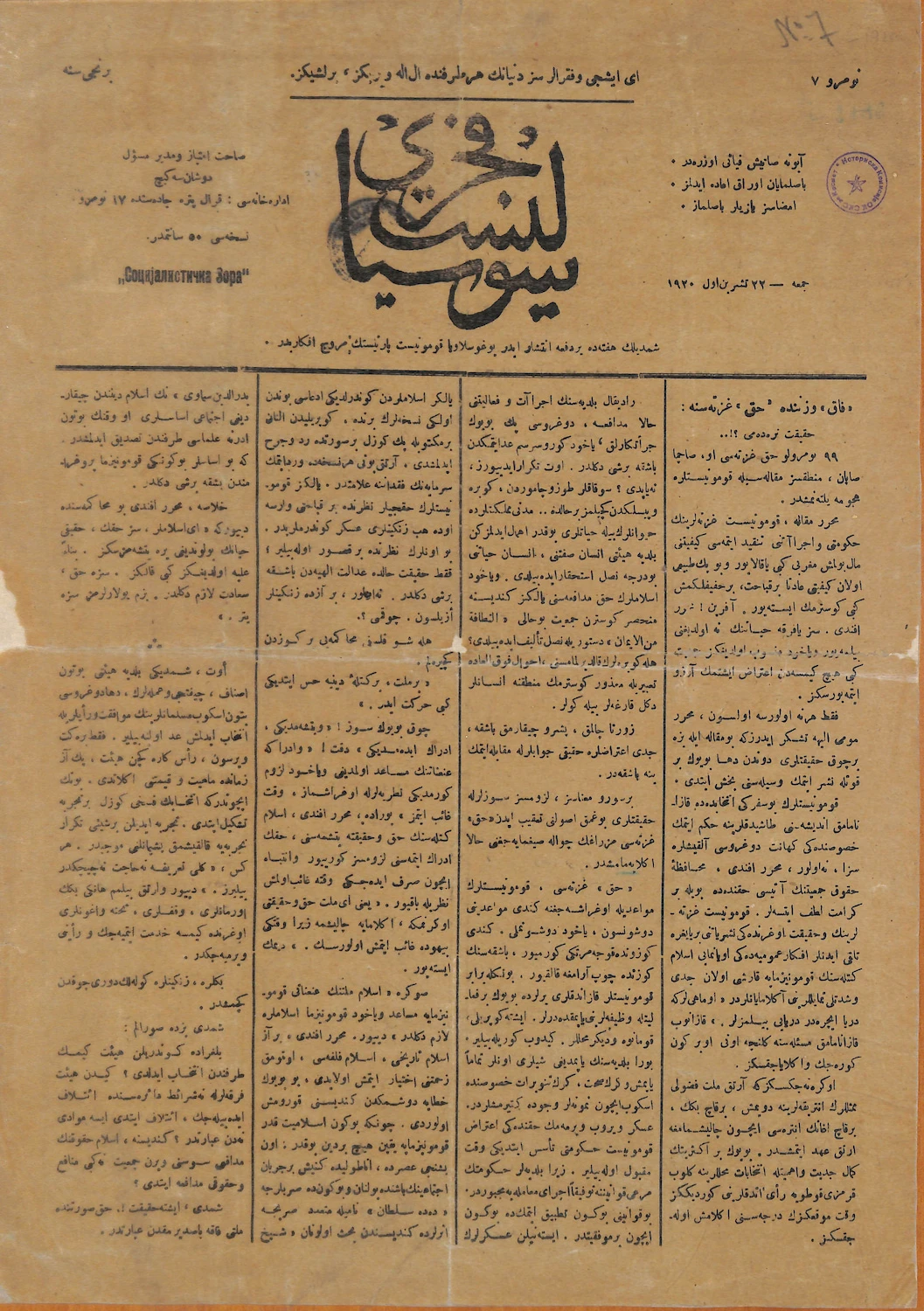
Sosyalist Fecri, No. 7, Skopje, October 22, 1920. Archive: State Archive of the Republic of Kosovo
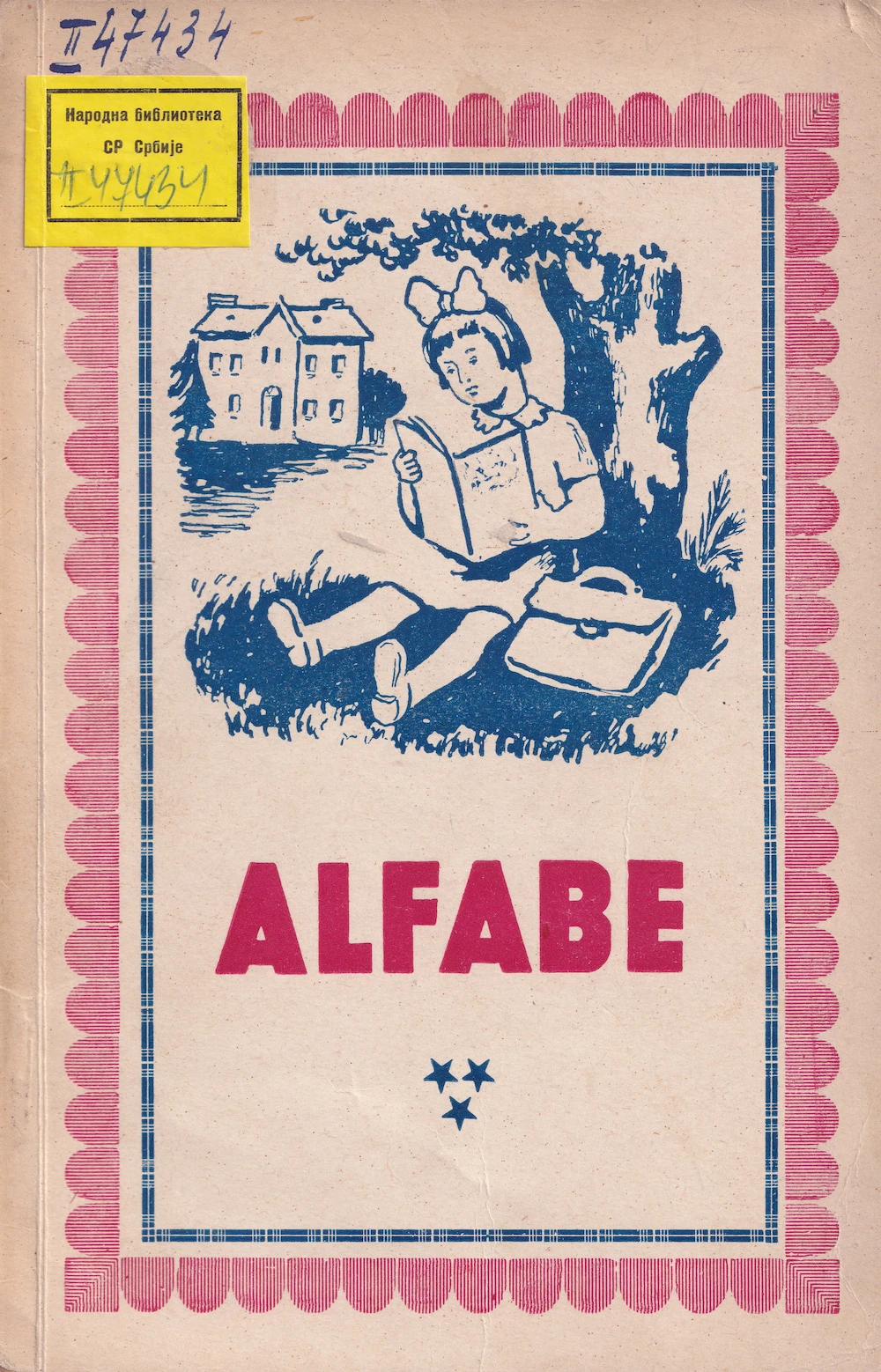
Ferit Bayram and Fetah Süleymanpaşiç’s book Alphabet, Skopje: Bratstvo Publishing House, 1947. Archive: National Library of Serbia
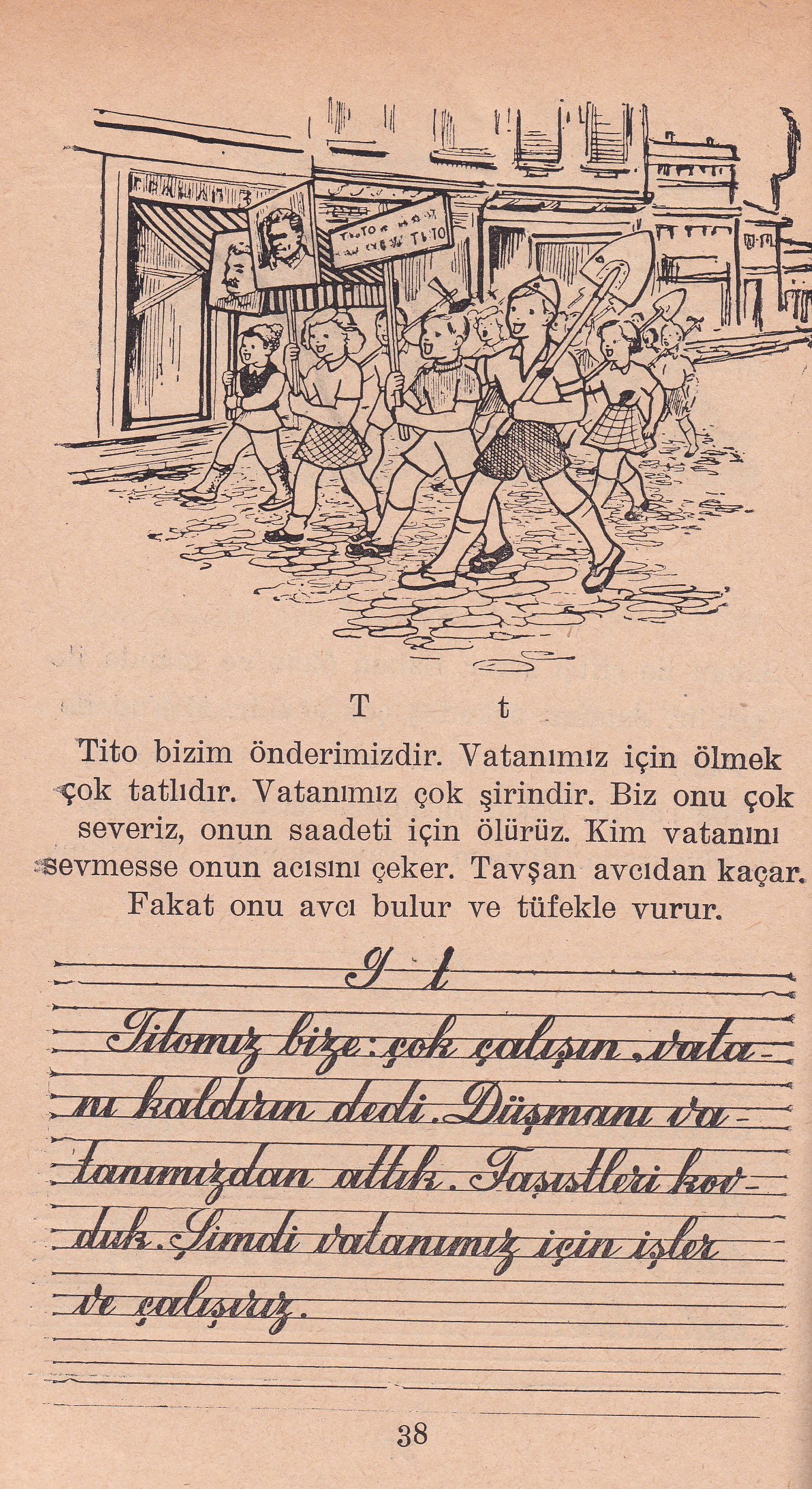
‘Our Tito told us to work hard and defend our homeland. We drove the enemy out of our homeland. We expelled the fascists. Now we work and be active for our homeland.’ Page from Ferit Bayram and Fetah Süleymanpaşiç’s book Alphabet, Skopje: Bratstvo Publishing House, 1947. Archive: National Library of Serbia
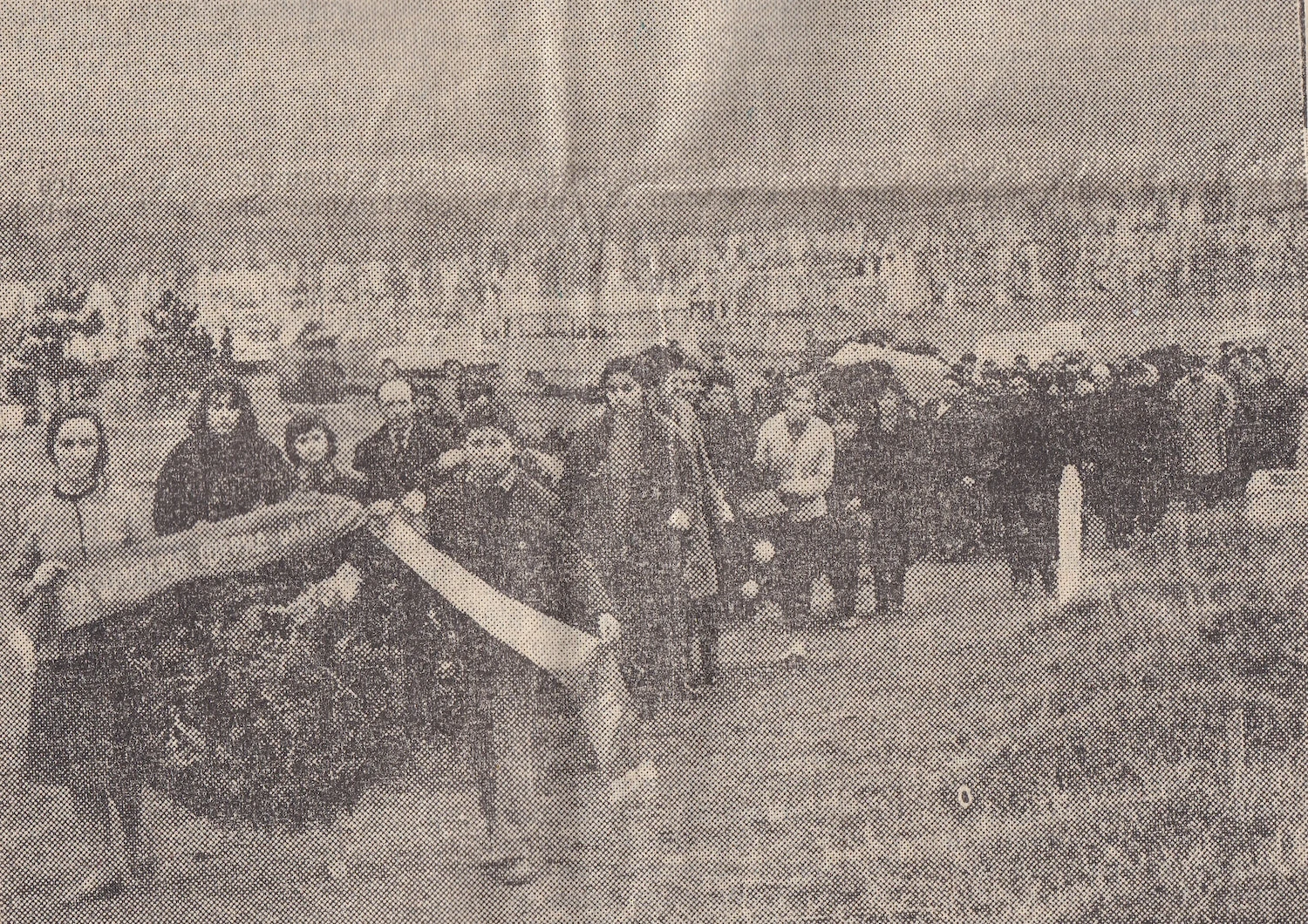
Children trailing behind Ferit Bayram’s casket with wreaths, Skopje, 1965 from Birlik, Skopje, March 25, 1965. Archive: National and University Library St. Clement of Ohrid
During the process, we came across some amazing materials. In the photothèque (photographic archive) of the Museum of Revolution, which is hosted by the Museum of Macedonia in Skopje, we discovered a photograph of the 1910 May Day celebrations organized by the Skopje Social Democratic Party, of which Ferit Bayram was a member. The photograph shows workers carrying banners in Ottoman, Serbian, Macedonian and Hebrew, which testifies to the genuinely internationalist nature of the movement. Even more remarkably, we found issues of Sosyalist Fecri, which were previously thought to be lost. These were exhibited for the first time at the biennial, with slight interventions made using the linocut technique. It was a stroke of luck, an archival blessing, if you will, which led Tevfik to discover by chance a folder containing all issues of the newspaper except the eighth at the State Archive of the Republic of Kosovo in Prishtina. In collaboration with The Social History Research Foundation of Turkey (TUSTAV),4 an Istanbul-based independent archive and research platform, we transliterated the Sosyalist Fecri issues into the Latin alphabet and conducted a thorough study on the background of the newspaper. These materials, alongside our extensive introduction, were published by TÜSTAV in 2023.5 The volume also includes a reprint of Kemal Seyfullah’s biography of Ferit Bayram, originally published by Tan Publishing House in Prishtina in 1978. Seyfullah was another prominent figure who was a politician, diplomat, writer and art collector, a story in itself. He founded the Muslim Communist Cell in Skopje, which joined the Partisans in 1941 at the start of the People’s Liberation War.
TR: Another factor that further expands the picture is the issue of translation, a process we explored for ‘Translated into Socialism’, as indicated by the title: specifically, the translation of socialism into the conditions of Southern Yugoslavia, or, from the opposite direction, as we phrased it: the translation of the (Turkish) language into socialism. This was the main point of the exhibition and one that counters the mainstream narrative that socialism was imposed on the Muslim populations of Macedonia and Yugoslavia. On the contrary, it was a far more complex process in which local populations were active participants who translated and adapted socialist ideas to their own conditions. The Sosyalist Fecri newspaper and (as discussed below) the poem by Hacı Ömer Lütfü that it published are clear and early expressions of this, reflecting a moment of revelation and a growing confidence among people from the periphery: after witnessing the 1917 Revolution, they realized that so-called ‘backward’ countries with relatively little industrial development could become subjects of history.
There is also something particularly interesting in relation to nation formation worth mentioning. In 1920, when Sosyalist Fecri was published in Turkish, Albanian-language publications were already banned in the Kingdom. Although Sosyalist Fecri and many other pieces of communist propaganda were written in Turkish, they were not addressing an abstract Turkish nationality, but rather the broader Muslim community in the region. Unlike in Turkey, the Turkish nation as a modern concept was not fully framed in this geography. It was only with Socialist Yugoslavia that national identity was encouraged and shaped, however, along internationalist lines.
ME: This was also the time we first met through Ares Shporta, the founding director of the Lumbardhi Foundation. Your research was still ongoing, and every publication or archival document you encountered opened up a new research topic. But at the time, you already had the idea of working on a larger-scale exhibition focusing on the history of the Turkish-speaking community in Socialist Yugoslavia and the issue of translation. The case of Turkish-speaking communities in Yugoslavia, particularly during the historical period between 1920 and 1980, was not a topic I was familiar with at all. However, discussing the idea of exhibiting this project in Istanbul was thought-provoking in many ways. First of all, I had the opportunity to observe the projects undertaken in the Balkans by Turkish state institutions, established immediately after the breakup of Yugoslavia with the aim of developing collaborative ties where Turkey is ‘historically and culturally attached’.
The second was the issue of rising nationalism after the 1990s, as Tevfik mentioned. I witnessed the rise of national identity based on language and religion, particularly in Kosovo and Macedonia. Also, at the time I was working with Erëmirë Krasniqi on a publication titled National Identity and Feminist Practices: Perspectives from Kosovo and Turkey (2024).6 The publication focused on the changing axes of national identity, belonging and gender in the 1990s and 2000s. Looking at the period immediately before the reality of the 1990s, being able to move beyond the discourse of ethnonationalism and extending an internationalist-based narrative inspired me. The third important aspect that we discussed together was the relationship – or lack thereof – between Turkey’s left and Yugoslavia. This relationship was sometimes formed through personal acquaintances, sometimes through state policies and sometimes through immigration to Turkey, but it was never fully established due to ideological differences among socialist groups. On the other hand, the translation of socialist ideology into Turkish – one of the main themes of ‘Translated into Socialism’ – and the use of some of that terminology by Turkey’s left, whether consciously or unconsciously, was a subject that had not yet been researched. Finally, there was the issue of the convergence of Islam and socialism. There have been and still are attempts to discuss this issue in Turkey, which it was interesting to unfold and trace through Sosyalist Fecri and Hacı Ömer Lütfü Paçariz.
I would like to ask about your relationship with these archives and how you accessed the materials. Perhaps you could also talk about your positions and your first encounter with Hacı Ömer?
SB: As Tevfik mentioned at the beginning, both of us belong to the Turkish-speaking community in Kosovo. We both attended Turkish-language schools and were raised in Prizren, where Turkish is still the lingua franca. At family gatherings and in our homes we speak an ancient vernacular form of Turkish that only exists as an oral tradition. Despite our personal bonds with this culture and tradition, we resisted this identification. Moreover, with ‘Translated into Socialism’, we tried to distance ourselves as much as possible from the ‘national’ and ‘personal’ aspects of this connection. We tried to defamiliarize ourselves with this history, or, to use Viktor Shklovsky’s term, ‘to estrange’ ourselves from it. Since communism is estranged and largely obscured today, the task of telling an unfamiliar story was not so difficult. Almost everything presented in the exhibition is new and unfamiliar. Perhaps the most striking example is the story of Ömer Lütfü, a distinguished mystical poet and leader of the Melâmiyye Sufi order from Prizren. Now heralded as one of the most important Sufi poets from the Balkans, in 1920, he wrote a long poem called ‘Preach: To My Worker and Peasant Brothers’ to encourage the Muslim population in Kosovo and Macedonia to support the CPY in municipal and parliamentary elections, which was published in the seventh issue of Sosyalist Fecri (1920). Today, in Kosovo and North Macedonia, Ömer Lütfü is remembered only as a conservative poet serving the privileged classes. His legacy is used to strengthen reactionary and conservative cultural ties with Turkey, and he is instrumentalized as a symbol of the Ottoman legacy in the Balkans. His revolutionary poetry is rarely mentioned. We, on the other hand, like to cherish the memory of Ömer Lütfü as a genuine internationalist and anti-militarist Sufi poet.
For us our Quranic verse is the red flag
It flutters, saying, ‘God the Truth’, does our flagAll over the world long live the Bolsheviks
Extraordinary is their will to resistLong live Kamenev and long live Karenin
Long live Trotsky and long live the great LeninThroughout the whole world long live communism
Within human beings it makes freedom bloomLong live the independence of the workers
It looks very bright, does that future of theirsThe Communist Party of Yugoslavia
Long live! And may all the other parties grieveMy words are not conveyed by Messiah’s breath
I am a man who seeks his joy in the truth7
TR: During the research, we had to consult several public and private archives across the region. When the CPY and all other communist organizations were banned in the Kingdom of Serbs, Croats and Slovenes in 1921, their archives were largely destroyed in Kosovo and Macedonia. Many politically active figures, including Ömer Lütfü, were harassed and some even killed by the police. The archive of the (CPY) Party was gradually rebuilt during the period of Socialist Yugoslavia through the enormous efforts of veteran activists, historians, archivists and others. In Kosovo, at least, the Party archive was transferred to the main archival institution in Prishtina during the 1980s. This archive is an indispensable source for studying communist movements in Kosovo and Macedonia during the 1920s. Since many documents were destroyed in and after 1921, the surviving folders often include police records from the time, providing valuable information and reports about the politicization of Muslims. These documents also reveal the Serbian regime’s deep concerns regarding this politicization. Although the Kosovo archive has undergone several transformations since the 1990s, its condition remains significantly better than that of the archive in Skopje. The archive in Prishtina is still housed in a beautiful building constructed during the socialist era. Of course, there are many problems with it. For example, to this day, they are unable to find the Ömer Lütfü folder which is registered in the catalogue. Accessing the Macedonian archive was not a pleasant experience. The archive, and with it the reading table, is located in one of the buildings in the city centre built during Skopje’s disastrous urban transformation of the 2010s. Ethnic tensions within the institution are visible, as they are in other parts of the city. Because the archive holds many Ottoman-era documents, Turkey’s investments in the building are also clearly visible. Aside from Stole, a retired employee of the institution, no one showed interest in assisting us with our research topic. Beyond Skopje, the Archive of Yugoslavia is a crucial institution for this kind of research. As citizens of Kosovo, however, accessing this archive is quite difficult; friends from Belgrade helped us access certain files at need. Here is a snapshot of post-socialism through the conditions of archival institutions.
Public libraries in Prishtina, Skopje, Belgrade and other cities proved to be invaluable sources. Some files surfaced in the most unexpected places. For instance, the inaugural issue of Birlik (Unity), the first Turkish-language socialist newspaper in Yugoslavia, launched in late 1944 in Skopje, was not found in Skopje or Belgrade, but in Novi Sad. Similarly, we located the first six issues (1949–50) of the very rare Turkish-language edition of the Women’s Anti-Fascist Front journal Yeni Kadın (New Woman) in Ljubljana, which we included in the exhibition at the Museum of Contemporary Art Metelkova (MSUM).
Two private archives were also particularly important. Sezgin has already referred to Altay Suroy’s library. Besides Suroy, any researcher studying Turkish literature in the Balkans – from the early Ottoman era to the present – must meet with Nimetullah Hafız and Tacida Hafız and encounter their remarkable library/archive in Prizren. Nimetullah was born in Prizren in 1939 and studied Oriental Studies in Belgrade. Throughout his career, he has published extensively on subjects ranging from local poets to the history of cultural heritage in the Balkans. He continues to work on several projects simultaneously, including editing his Balkan Turkology Research Center (BAL-TAM) journal BAL-TAM (2004 – ).8 Notably, he was the first to systematically study the life and poetry of Ömer Lütfü. He collected everything he could find on Lütfü, including the manuscript of his revolutionary poem from 1920. Tacida Hafız, the wife of Nimetullah, is also a researcher and historian from Bosnia, who wrote her master’s thesis on the aforementioned poem and on Ömer Lütfü’s revolutionary activities. Together, the couple have collected thousands upon thousands of books and manuscripts; they have almost every work of Turkish-language literature from across the Balkans, from Socialist Bulgaria to Yugoslavia and Romania. Their home is like a museum, and Nimetullah hopes to establish a public library one day to make their collection accessible to researchers. During our own research, we visited their home frequently and learned a great deal. Merve had the chance to meet and talk with Nimetullah and Tacida. Their archive was crucial for the exhibition in many aspects. We can also say that Nimetullah was the only person from the generation shaped by Socialist Yugoslavia in Kosovo who truly understood what we were doing.
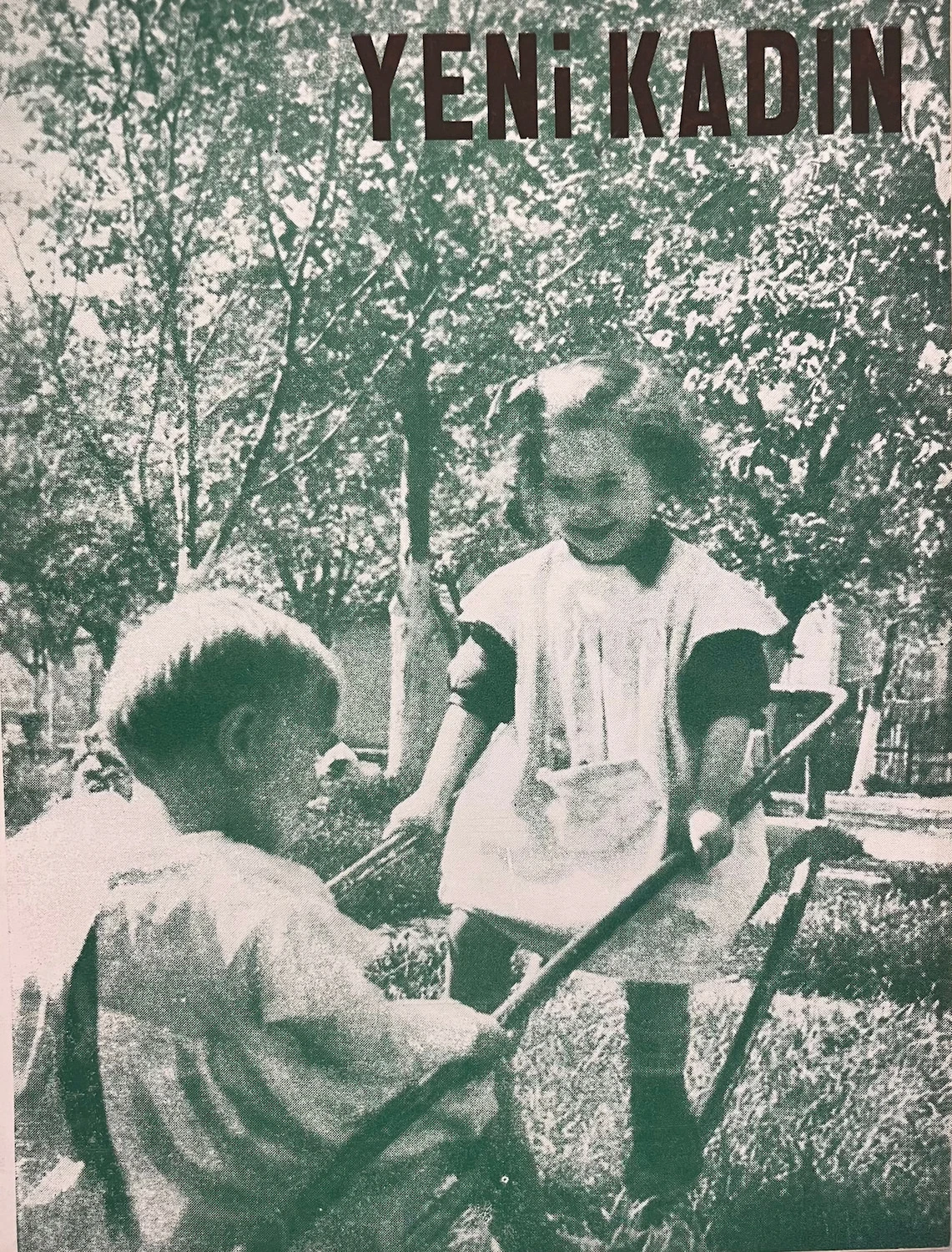
Yeni Kadın, Year 2, No. 2, Skopje, 1950
Archive: National and University Library of Slovenia
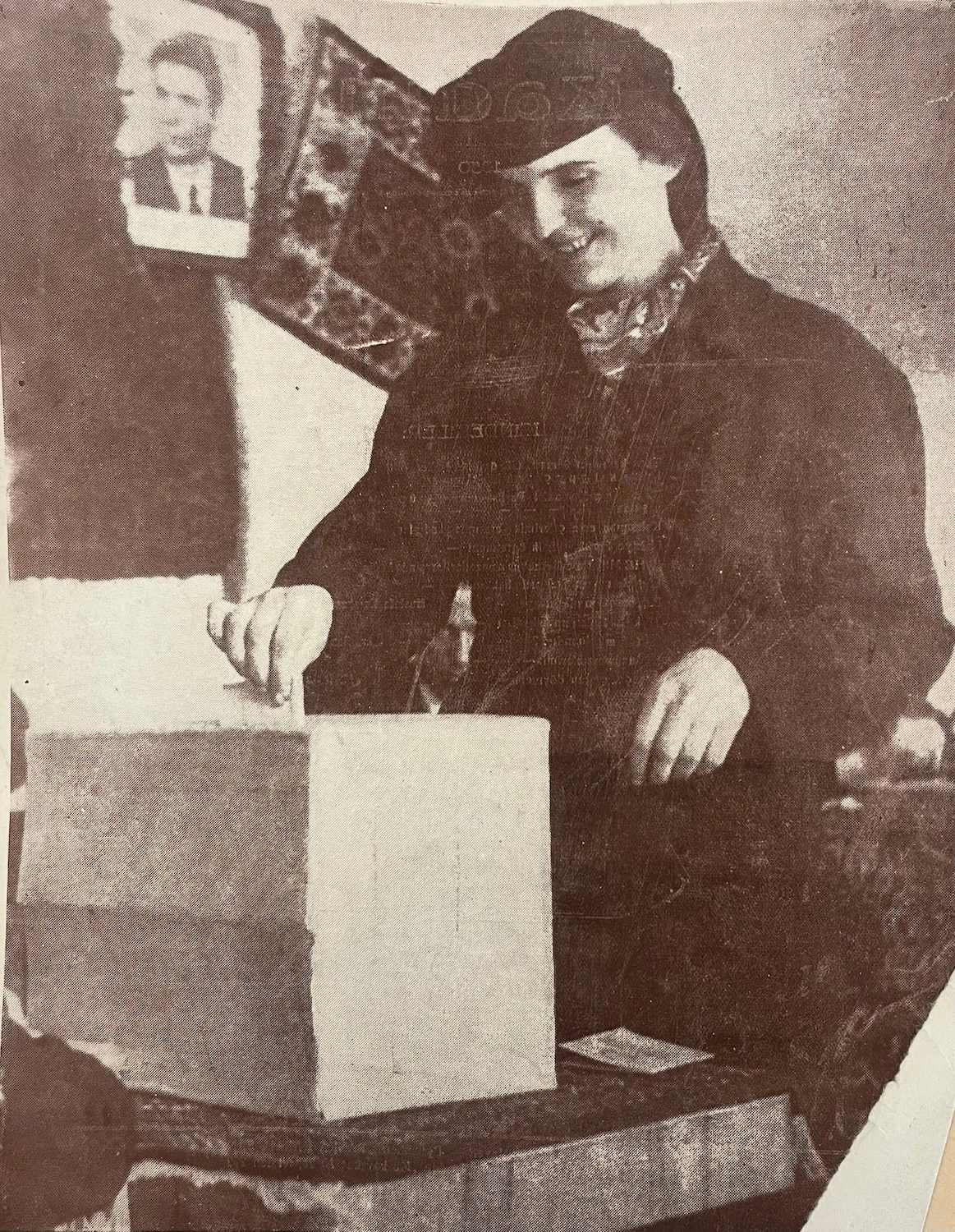
Yeni Kadın, Year 2, No. 4, Skopje, 1950
Archive: National and University Library of Slovenia
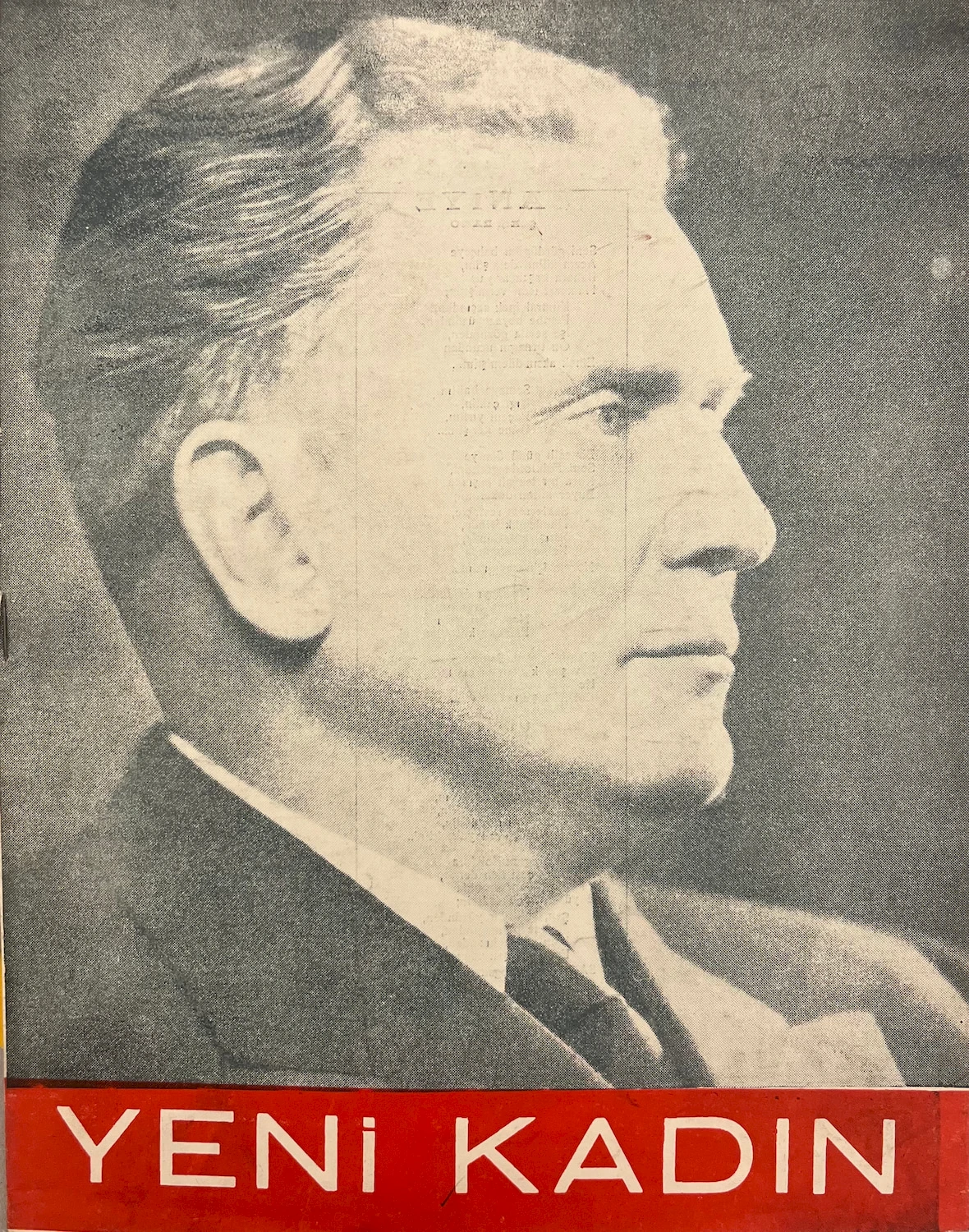
Yeni Kadın, Year 1, No. 3, Skopje, 1949
Archive: National and University Library of Slovenia
SB: I would like to return to the idea of the vacuum that Tevfik mentioned earlier. The broader theoretical frame for this was that the official Turkish language of Socialist Yugoslavia (the language used in publications, the press and other state institutions) developed in parallel with the vernacular, everyday language of the people and gradually, with the incorporation of words and terms specific to the socialist context, became almost independent of it. This led to some very surreal and absurd formulations, and to a certain extent, the written Turkish language in Socialist Yugoslavia started to resemble infantile babbling. This shift occurred at the beginning of the 1960s, when the socialist state institutions were consolidated and socialism ceased to be experimental.
ME: This language, which you describe as absurd, can be traced in Sesler (Voices) magazine (1965–2001), in children’s books of the period, in newspapers and in radio and television programmes. Some of these materials are also included in the exhibition, both at Salt and at MSUM.
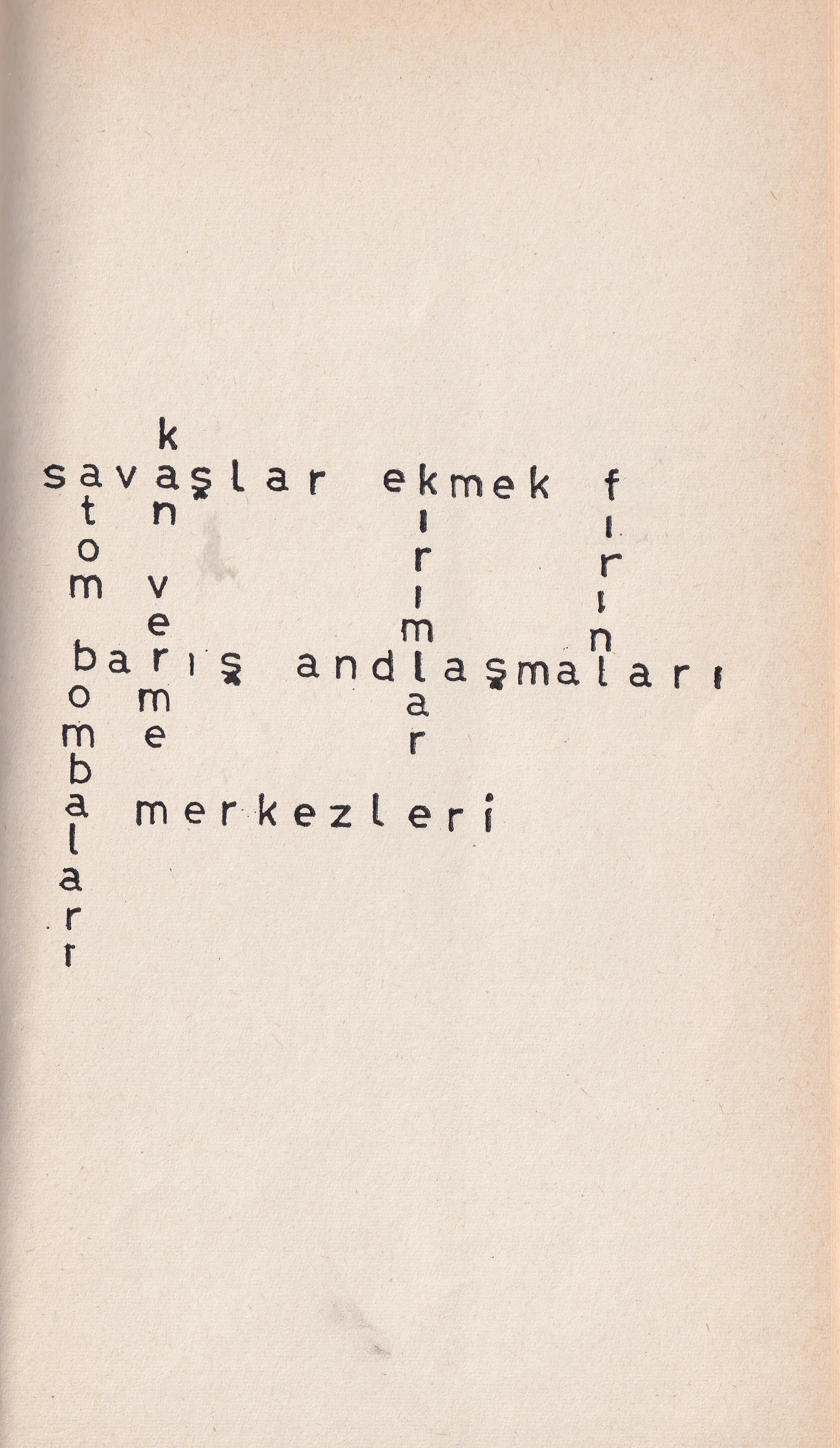
This new language and the ongoing determination to translate into Turkish also made different visual experiments possible – for example, Suat Engüllü’s concrete poetry experiments in Zamandışı İçdüşlemeler (Inner Dreams Out of Time) (1974),9 or the portraits of Tito and Stalin used together with the image of a mosque on the cover of the first issue of the Birlik newspaper, published in December 1944 with the slogan ‘Death to fascism, freedom to the people’.
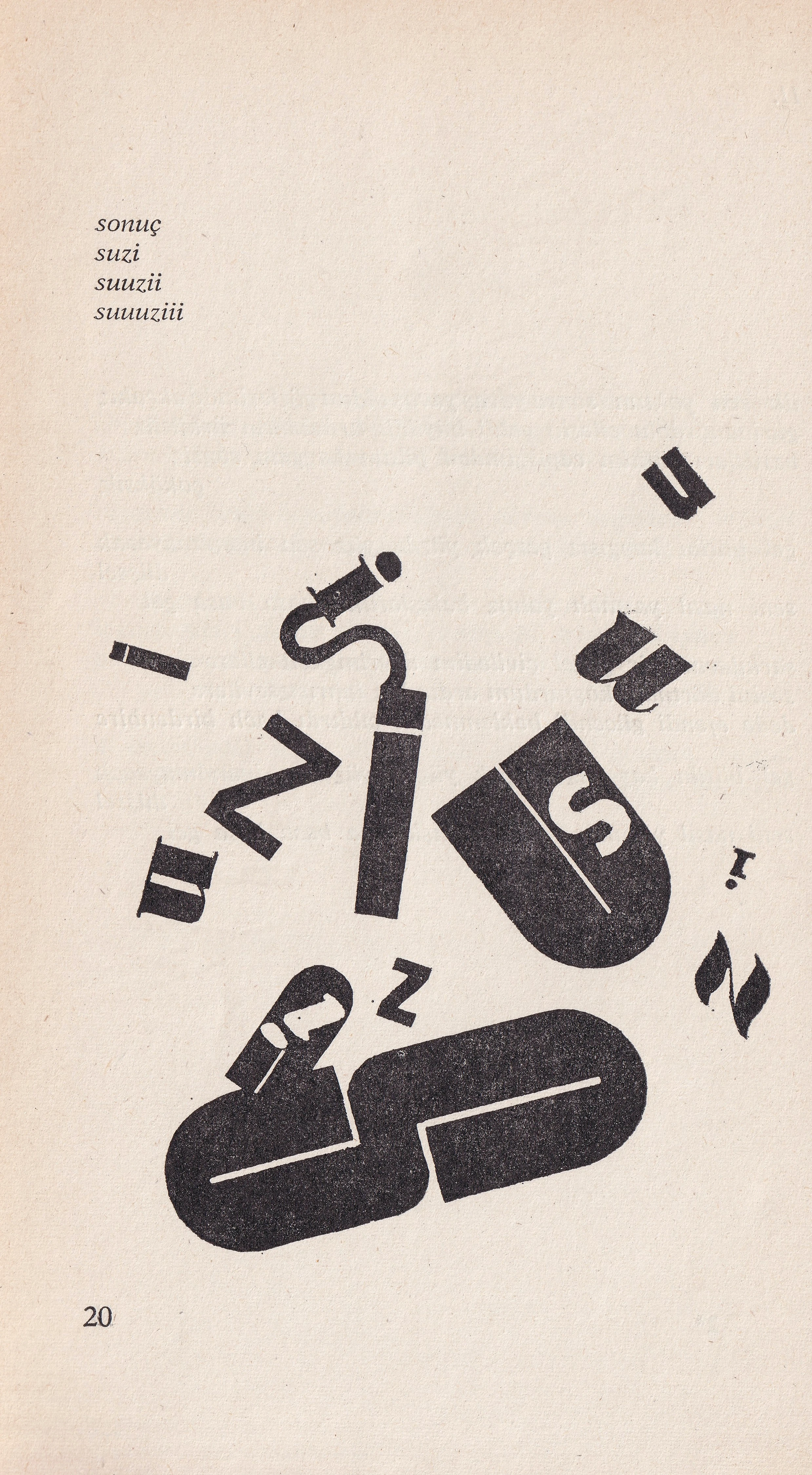
Suat Engüllü, Zamandışı İçdüşlemeler (Inner Dreams Out of Time), Skopje: Sesler Publishing, 1974. Archive: Pykë-Presje
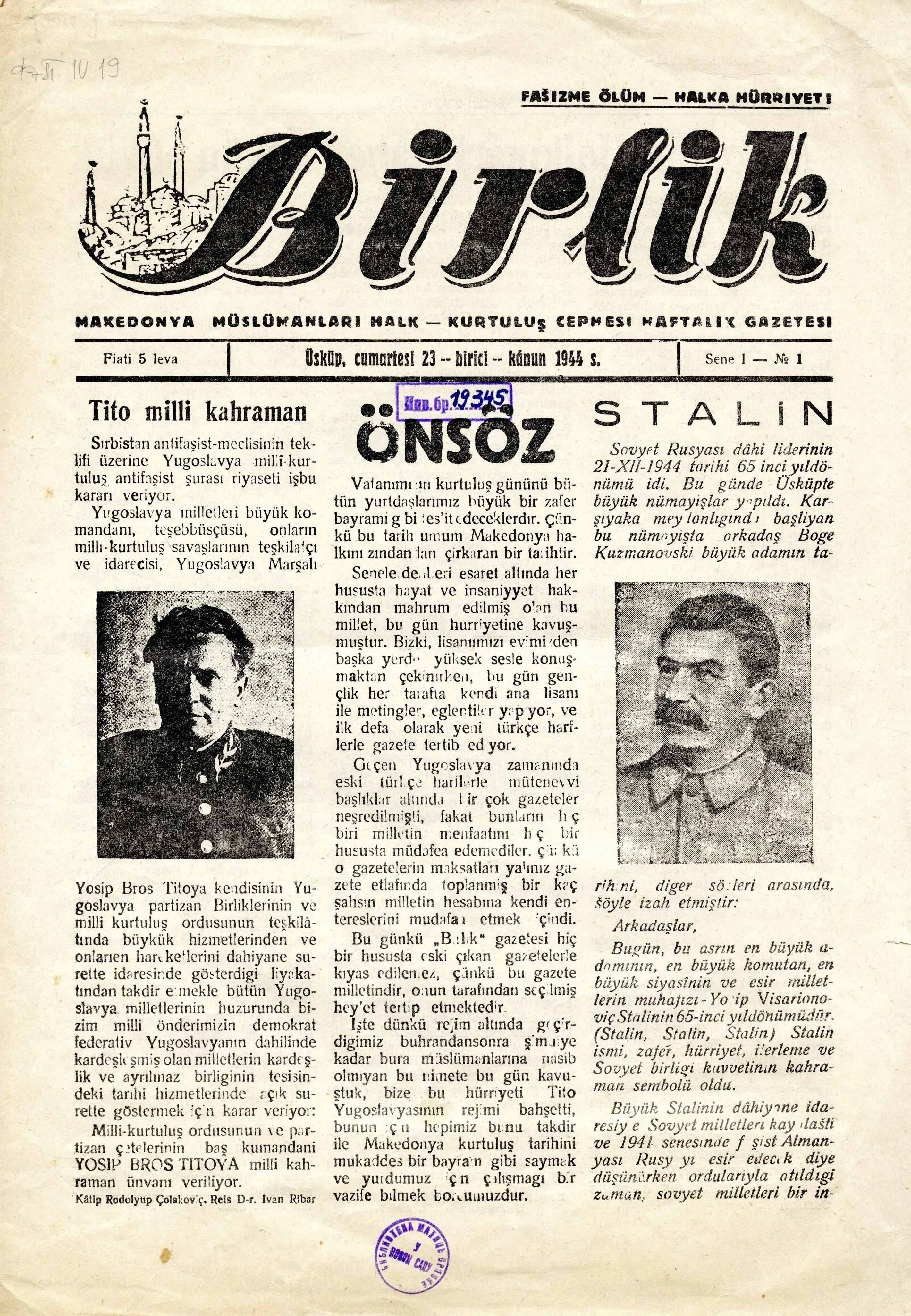
Birlik, No. 1, Skopje, December 23, 1944
Archive: The Library of Matica Srpska, Novi Sad
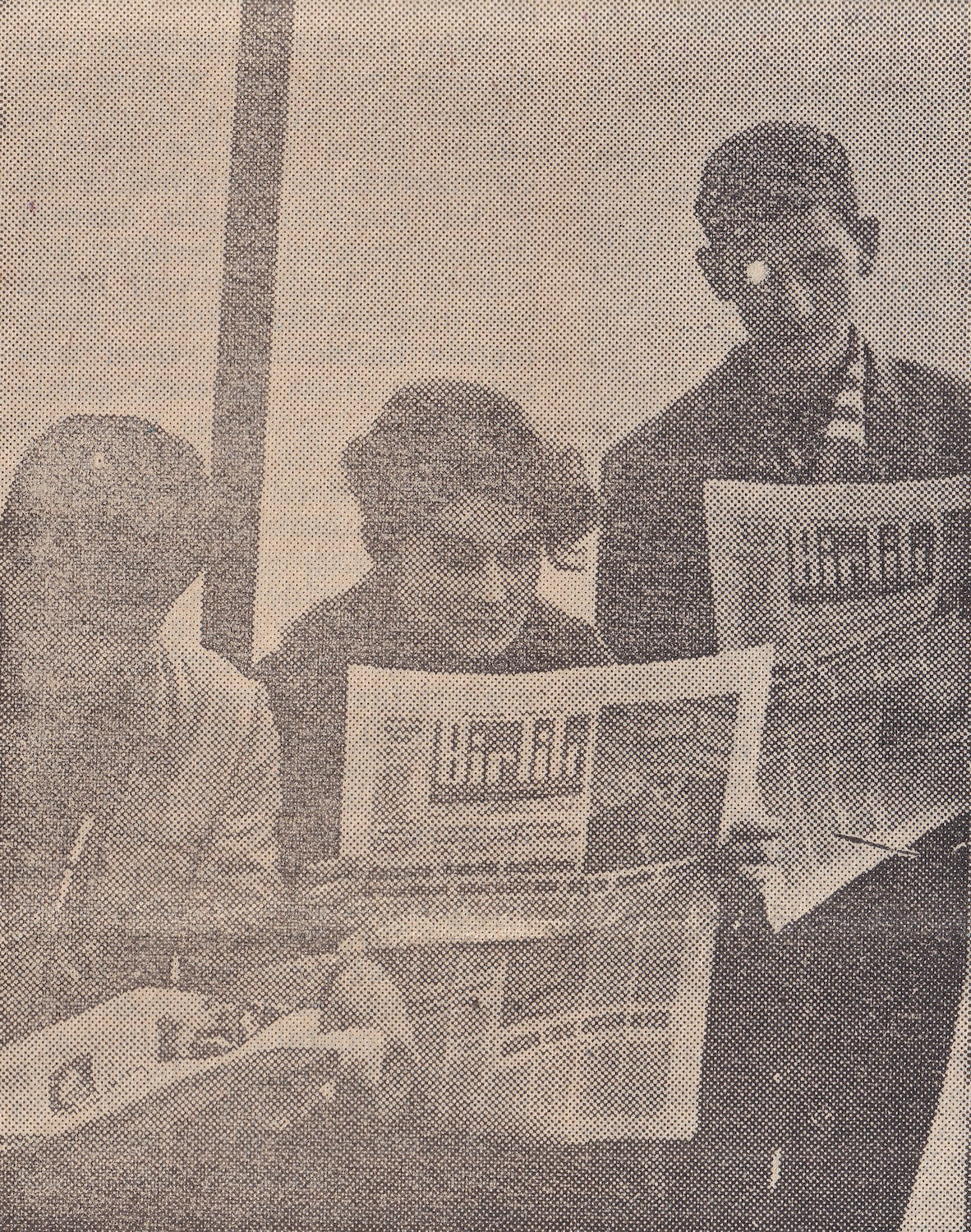
Birlik, Skopje, December 27, 1964
Archive: National and University Library St. Clement of Ohrid
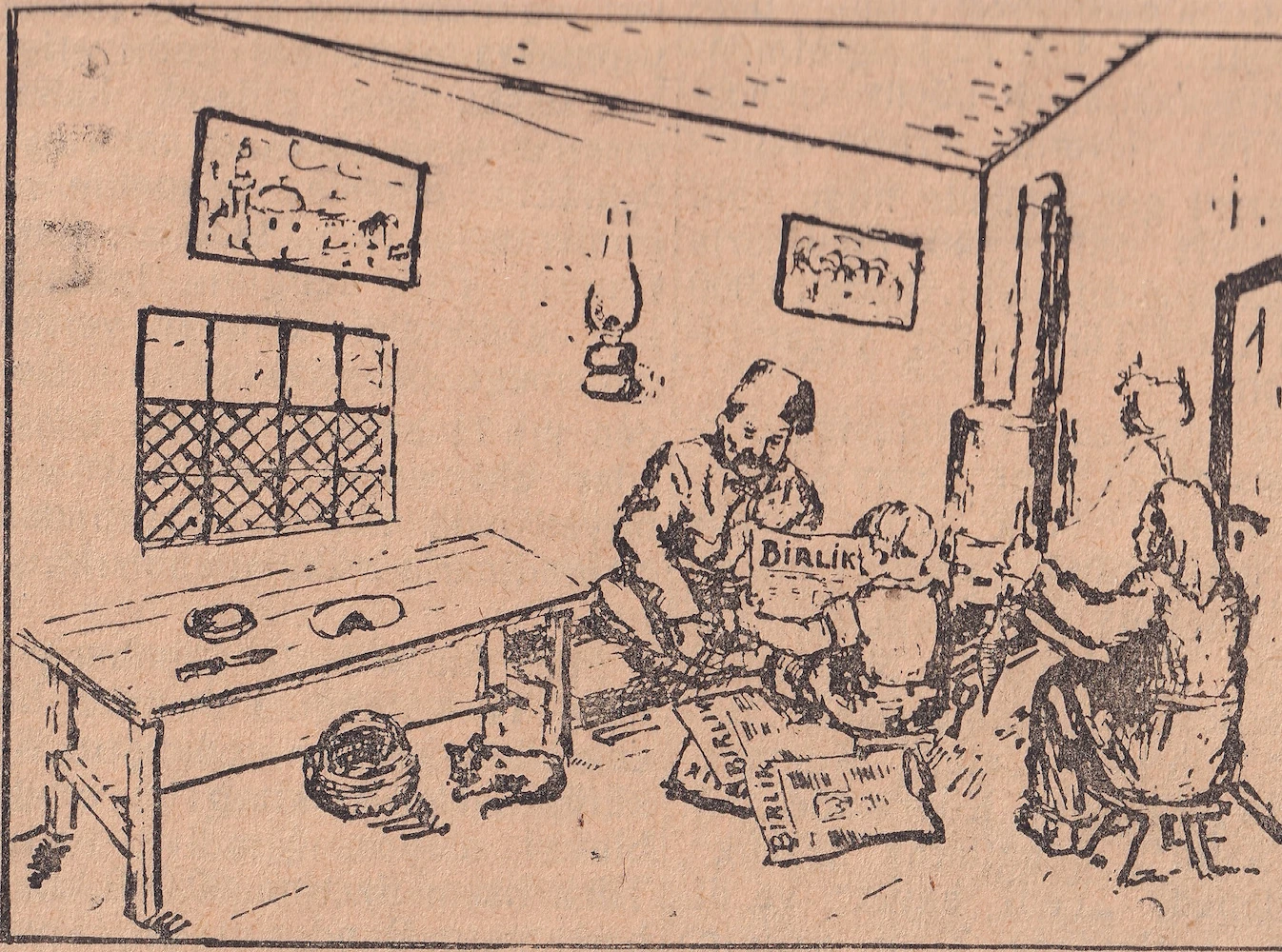
Birlik, Skopje, date unknown
Archive: National and University Library St. Clement of Ohrid
Building on these visual experiments, I would like to turn to the exhibition design. At both Salt and MSUM, we wanted to experiment with how to present archival material within exhibitions. The posters designed by Bardhi Haliti – each signalling a moment of rupture or a threshold emerged not by creating a constellation, from different archival materials. With its use of colour, layered structure and visual manipulations, Bardhi’s design allowed us to view archival material from a new perspective. The display devices also echoed this multi-layered structure, allowing for different configurations within the exhibition space.
TR: During the research, we compiled a wide range of historical materials – books, documents, journals, letters, images and more. The question then became: how should we present them in an exhibition format? From the outset, we knew we didn’t want a chronologically organized exhibition filled with archival documents displayed in a conventional way; that approach was at odds with our initial concept. Instead, we aimed to highlight subjective political moments and build a historical constellation from them. Bardhi immediately understood our vision and created visual interpretations based on archival documents, images and texts. In this sense, the exhibition does not follow a linear flow of events, although it still conveys an overarching narrative.
This approach felt necessary, particularly given that the history we explored has often been overshadowed by dominant narratives about Yugoslavia. For instance, the exhibition sheds light on the anti-colonial struggles of the Muslim community in Yugoslavia, which contrasts with the commonly invoked notion of the Non-Aligned Movement. Here, we emphasize an anti-colonialism rooted in and driven by the people, rather than one defined by diplomacy.
We selected twenty-two such moments to unfold through posters. Each was intended to make sense on its own, yet together they form a cohesive narrative.
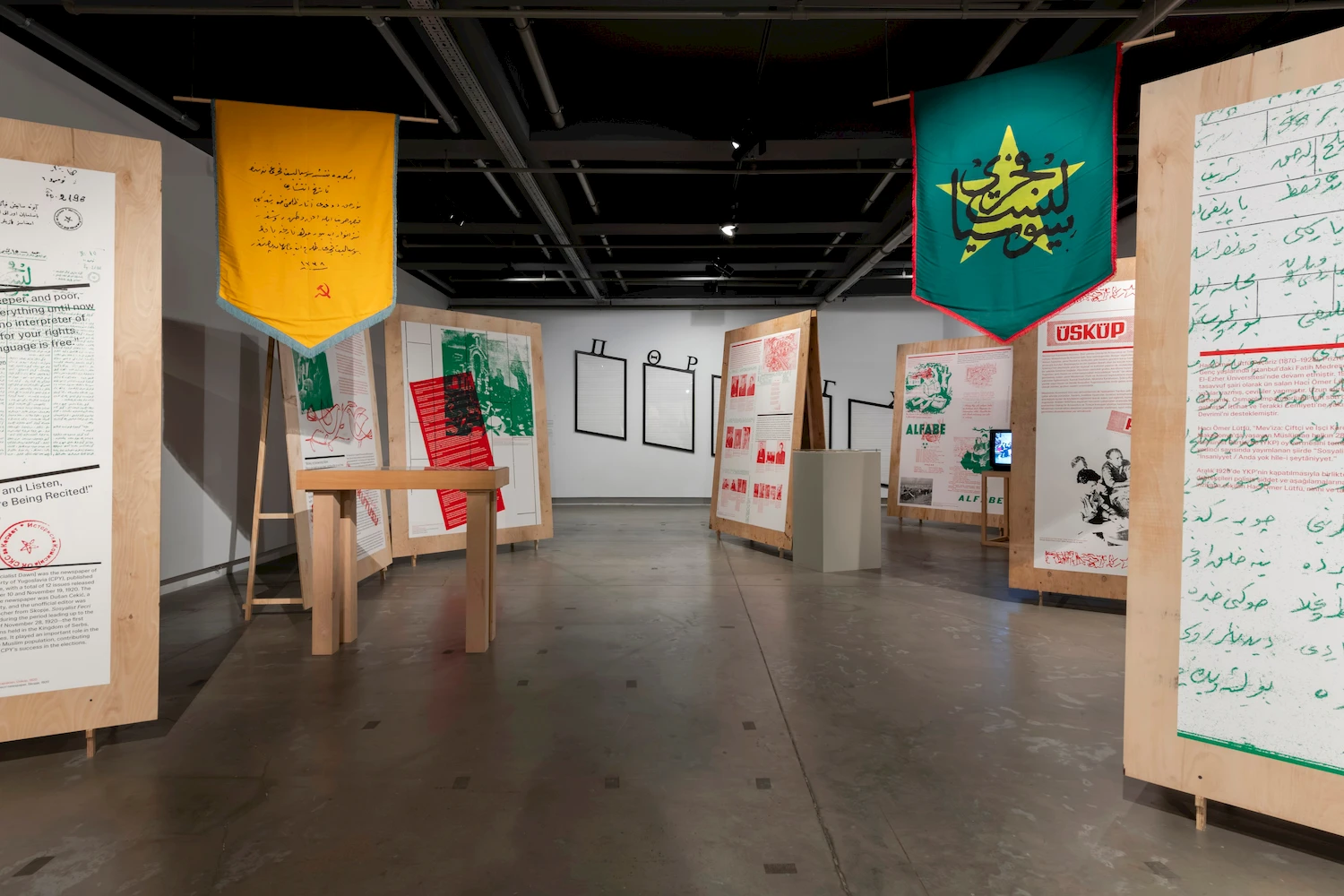
Installation view from Salt Galata
Photo: Kayhan Kaygusuz
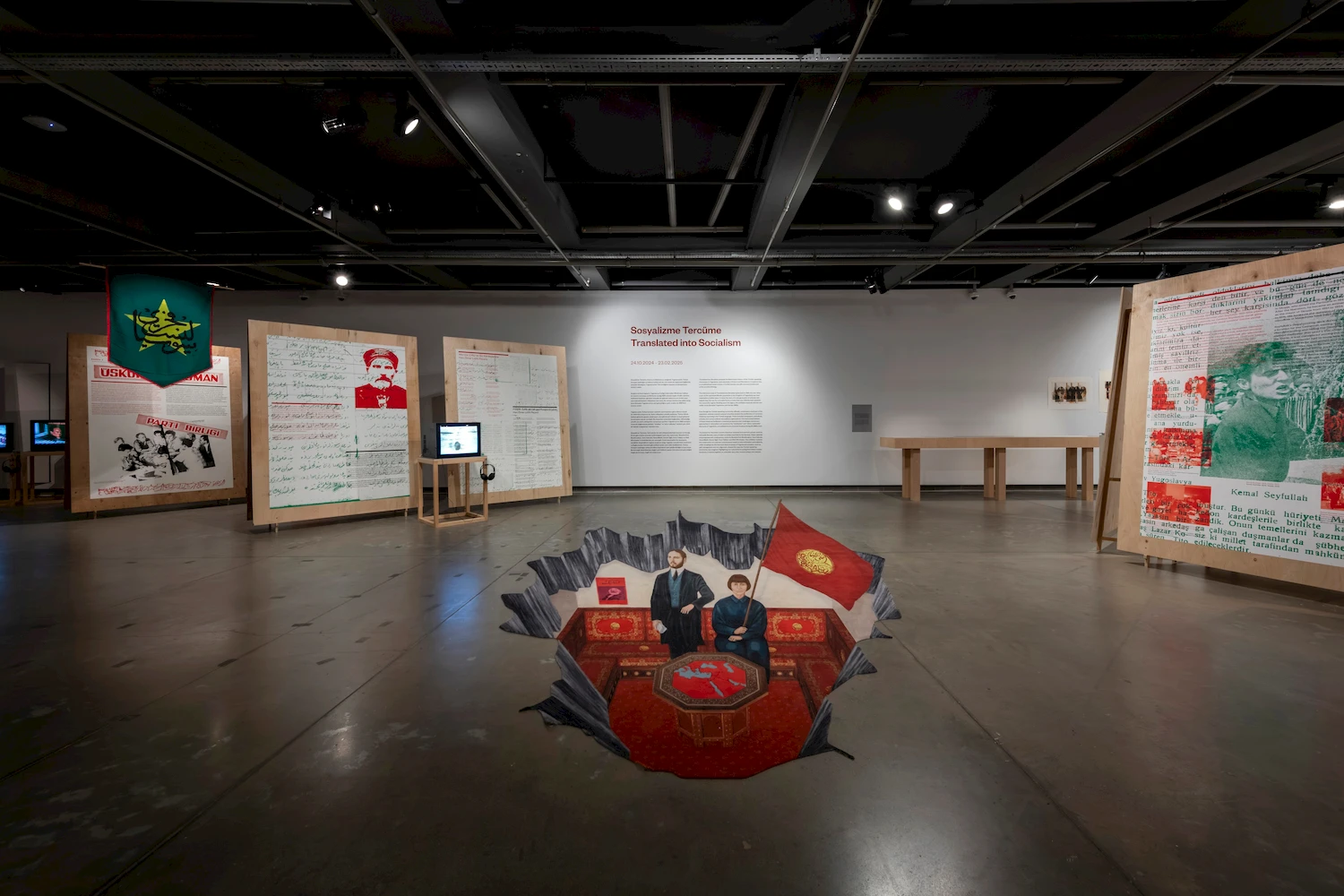
Installation view from Salt Galata
Photo: Kayhan Kaygusuz
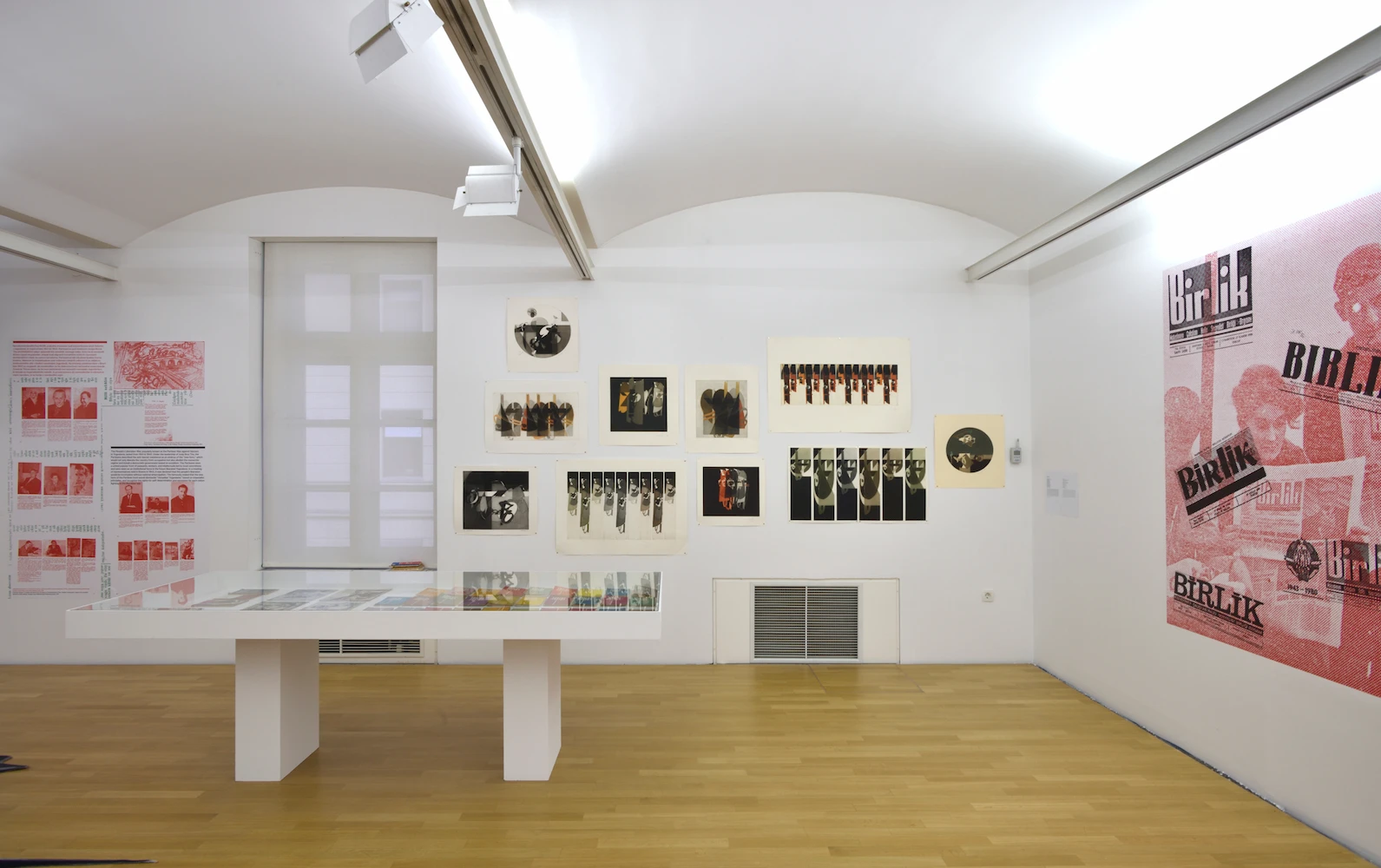
Installation view from MSUM
Photo: Dejan Habicht
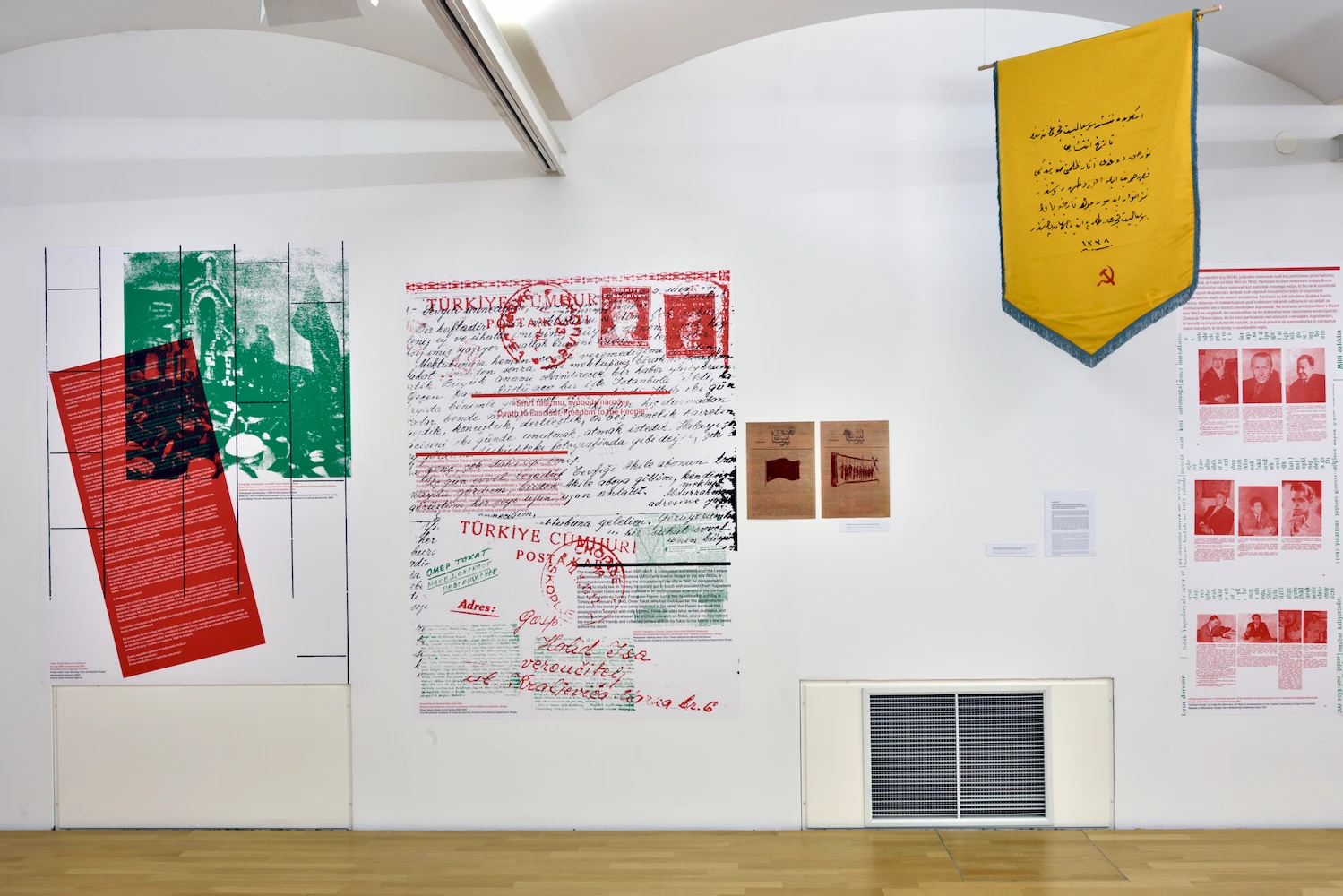
Installation view from MSUM
Photo: Dejan Habicht
Related activities
-
Museo Reina Sofia
Palestine Is Everywhere
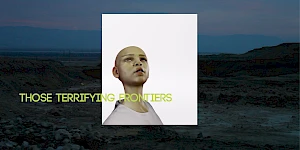
‘Palestine Is Everywhere’ is an encounter and screening at Museo Reina Sofía organised together with Cinema as Assembly as part of Museum of the Commons. The conference starts at 18:30 pm (CET) and will also be streamed on the online platform linked below.
-
HDK-Valand
Book Launch: Collective Study in Times of Emergency, Gothenburg
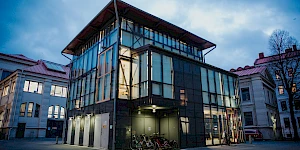
with Nick Aikens (L'Internationale Online / HDK-Valand) and Mills Dray (HDK-Valand), 17h00, Glashuset
-
Moderna galerija
Book Launch: Collective Study in Times of Emergency, Ljubljana
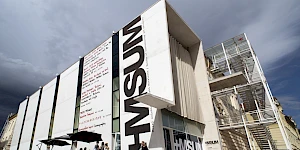
with Nick Aikens (L'Internationale Online / HDK-Valand), Bojana Piškur (MG+MSUM) and Martin Pogačar (ZRC SAZU)
-
WIELS
Book Launch: Collective Study in Times of Emergency, Brussels
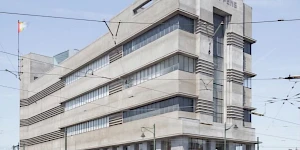
with Nick Aikens (L'Internationale Online / HDK-Valand), Subversive Film and Alex Reynolds, 19h00, Wiels Auditorium
-
NCAD
Book Launch: Collective Study in Times of Emergency, Dublin

with Nick Aikens (L'Internationale Online / HDK-Valand) and members of the L'Internationale Online editorial board: Maria Berríos, Sheena Barrett, Sara Buraya Boned, Charles Esche, Sofia Dati, Sabel Gavaldon, Jasna Jaksic, Cathryn Klasto, Magda Lipska, Declan Long, Francisco Mateo Martínez Cabeza de Vaca, Bojana Piškur, Tove Posselt, Anne-Claire Schmitz, Ezgi Yurteri, Martin Pogacar, and Ovidiu Tichindeleanu, 18h00, Harry Clark Lecture Theatre, NCAD
-
–
Collective Study in Times of Emergency, Amsterdam
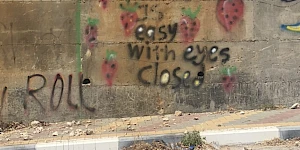
Within the context of ‘Every Act of Struggle’, the research project and exhibition at de appel in Amsterdam, L’Internationale Online has been invited to propose a programme of collective study.
-
Museo Reina Sofia
Poetry readings: Culture for Peace – Art and Poetry in Solidarity with Palestine
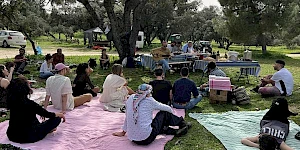
Casa de Campo, Madrid
-
WIELS
Collective Study in Times of Emergency, Brussels. Rana Issa and Shayma Nader
Join us at WIELS for an evening of fiction and poetry as part of L'Internationale Online's 'Collective Study in Times of Emergency' publishing series and public programmes. The series was launched in November 2023 in the wake of the onset of the genocide in Palestine and as a means to process its implications for the cultural sphere beyond the singular statement or utterance.
-
HDK-Valand
MA Forum in collaboration with LIO: Nour Shantout
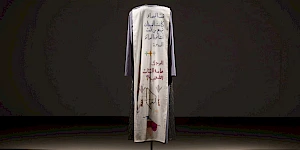
In this artist talk, Nour Shantout will present Searching for the New Dress, an ongoing artistic research project that looks at Palestinian embroidery in Shatila, a Palestinian refugee camp in Lebanon. Welcome!
-
–
International Day of Solidarity with the Palestinian People: Activities
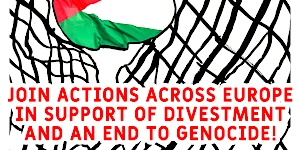
To mark International Day of Solidarity with the Palestinian People and in conjunction with our collective text, we, the cultural workers of L'Internationale have compiled a list of programmes, actions and marches taking place accross Europe. Below you will find programmes organized by partner institutions as well as activities initaited by unions and grass roots organisations which we will be joining.
This is a live document and will be updated regularly.
-
–SALT
Screening: A Bunch of Questions with No Answers
This screening is part of a series of programs and actions taking place across L’Internationale partners to mark International Day of Solidarity with the Palestinian People.
A Bunch of Questions with No Answers (2025)
Alex Reynolds, Robert Ochshorn
23 hours 10 minutes
English; Turkish subtitles
Related contributions and publications
-
The Repressive Tendency within the European Public Sphere
Ovidiu ŢichindeleanuInternationalismsPast in the Present -
Rewinding Internationalism
InternationalismsVan Abbemuseum -
Troubles with the East(s)
Bojana PiškurInternationalismsPast in the Present -
Right now, today, we must say that Palestine is the centre of the world
Françoise VergèsInternationalismsPast in the Present -
Body Counts, Balancing Acts and the Performativity of Statements
Mick WilsonInternationalismsPast in the Present -
Until Liberation I
Learning Palestine GroupInternationalismsPast in the Present -
Until Liberation II
Learning Palestine GroupInternationalismsPast in the Present -
Editorial: Towards Collective Study in Times of Emergency
L’Internationale Online Editorial BoardEN es sl tr arInternationalismsStatements and editorialsPast in the Present -
Opening Performance: Song for Many Movements, live on Radio Alhara
Jokkoo with/con Miramizu, Rasheed Jalloul & Sabine SalaméEN esInternationalismsSonic and Cinema CommonsPast in the PresentMACBA -
Siempre hemos estado aquí. Les poetas palestines contestan
Rana IssaEN es tr arInternationalismsPast in the Present -
Diary of a Crossing
Baqiya and Yu’adInternationalismsPast in the Present -
The Silence Has Been Unfolding For Too Long
The Free Palestine Initiative CroatiaInternationalismsPast in the PresentSituated OrganizationsInstitute of Radical ImaginationMSU Zagreb -
En dag kommer friheten att finnas
Françoise Vergès, Maddalena FragnitoEN svInternationalismsLand RelationsClimateInstitute of Radical Imagination -
Everything will stay the same if we don’t speak up
L’Internationale ConfederationEN caInternationalismsStatements and editorials -

War, Peace and Image Politics: Part 1, Who Has a Right to These Images?
Jelena VesićInternationalismsPast in the PresentZRC SAZU -
Live set: Una carta de amor a la intifada global
PrecolumbianEN esInternationalismsSonic and Cinema CommonsPast in the PresentMACBA -
Rethinking Comradeship from a Feminist Position
Leonida KovačSchoolsInternationalismsSituated OrganizationsMSU ZagrebModerna galerijaZRC SAZU -
The Genocide War on Gaza: Palestinian Culture and the Existential Struggle
Rana AnaniInternationalismsPast in the Present -
Broadcast: Towards Collective Study in Times of Emergency (for 24 hrs/Palestine)
L’Internationale Online Editorial Board, Rana Issa, L’Internationale Confederation, Vijay PrashadInternationalismsSonic and Cinema Commons -
Beyond Distorted Realities: Palestine, Magical Realism and Climate Fiction
Sanabel Abdel RahmanEN trInternationalismsPast in the PresentClimate -

Collective Study in Times of Emergency. A Roundtable
Nick Aikens, Sara Buraya Boned, Charles Esche, Martin Pogačar, Ovidiu Ţichindeleanu, Ezgi YurteriInternationalismsPast in the PresentSituated Organizations -
Collective Study in Times of Emergency
InternationalismsPast in the Present -
S come Silenzio
Maddalena FragnitoEN itInternationalismsSituated Organizations -
ميلاد الحلم واستمراره
Sanaa SalamehEN hr arInternationalismsPast in the Present -
عن المكتبة والمقتلة: شهادة روائي على تدمير المكتبات في قطاع غزة
Yousri al-GhoulEN arInternationalismsPast in the Present -

Archivos negros: Episodio I. Internacionalismo radical y panafricanismo en el marco de la guerra civil española
Tania Safura AdamEN esInternationalismsPast in the Present -

Re-installing (Academic) Institutions: The Kabakovs’ Indirectness and Adjacency
Christa-Maria Lerm HayesInternationalismsPast in the Present -
Palma daktylowa przeciw redeportacji przypowieści, czyli europejski pomnik Palestyny
Robert Yerachmiel SnidermanEN plInternationalismsPast in the PresentMSN Warsaw -

Masovni studentski protesti u Srbiji: Mogućnost drugačijih društvenih odnosa
Marijana Cvetković, Vida KneževićEN rsInternationalismsPast in the Present -
No Doubt It Is a Culture War
Oleksiy Radinsky, Joanna ZielińskaInternationalismsPast in the Present -
Cinq pierres. Une suite de contes
Shayma NaderEN nl frInternationalisms -
Dispatch: As Matter Speaks
Yeongseo JeeInternationalismsPast in the Present -
Speaking in Times of Genocide: Censorship, ‘social cohesion’ and the case of Khaled Sabsabi
Alissar SeylaInternationalisms -
Today, again, we must say that Palestine is the centre of the world
Françoise VergèsInternationalisms -
Isabella Hammad’ın icatları
Hazal ÖzvarışEN trInternationalisms -
To imagine a century on from the Nakba
Behçet ÇelikEN trInternationalisms -
Internationalisms: Editorial
L'Internationale Online Editorial BoardInternationalisms -
Dispatch: Institutional Critique in the Blurst of Times – On Refusal, Aesthetic Flattening, and the Politics of Looking Away
İrem GünaydınInternationalisms -
Until Liberation III
Learning Palestine GroupInternationalismsPast in the Present -
Archivos negros: Episodio II. Jazz sin un cuerpo político negro
Tania Safura AdamEN esInternationalismsPast in the Present -
Cultural Workers of L’Internationale mark International Day of Solidarity with the Palestinian People
Cultural Workers of L’InternationaleEN es pl roInternationalismsSituated OrganizationsPast in the PresentStatements and editorials -
Poetry Against Language Dioxide
Rana IssaInternationalisms -
The Object of Value
SlinkoInternationalismsLand Relations -
Translated into Socialism: An experiment in internationalism
Merve Elveren, Tevfik Rada, Sezgin BoynikInternationalisms