Internationalisms: Editorial
‘Internationalisms’ – as a set of diverse concepts, histories and practices with emancipatory, egalitarian potential, has shaped L’Internationale since its formation. The confederation takes its name from the 19th century anthem that called for workers across the world to unite for a more equitable world; inscribing internationalism into its self understanding and many of the programmes, publications and initiatives of the last fifteen years.
Rich in historical resonance related to emancipatory movements in the 19th and 20th century - the workers movement, Non-Aligned Movement, anti-imperial solidarities, internationalist feminisms to name a few – the need to revisit and revise modes of internationalism has never been more urgent. The present moment is defined by ongoing imperial wars, genocide and new forms of technofascism in global politics. This looks set to intensify, rather than diminish, amidst an ever growing trajectory of militarisation and state violence. An internationalist project requires reimagining and rearticulating practices of solidarity, non-alignment and allyship today.
The publishing strand ‘Internationalisms’ brings together contributions that speak from and to the present reality. Processing and formulating a response to the ongoing genocide in Palestine and its repercussions in the cultural field, has shaped much of the thinking and work of this strand since October 2023. Indeed the work of Collective Study in Times of Emergency, which took inspiration from Fred Moten and Stefano Harney’s proposition for a ‘study without end’ has been formative for our approach to research and publishing across different contexts and registers. The publication, also named Collective Study inTimes of Emergency, assembled contributions across writing, music, poetry and fiction is available for download here. Following the publication, thinking with Palestine, or ‘Palestine as the centre of the World’ as decolonial feminist thinker Françoise Verges says, remains central to the Internationalisms strand.
At the same time we, the editors, recognise the necessity of articulating current violences, including Palestine, with other struggles and realities, both past and present. Within this strand, therefore, readers will find contributions that look back across the 20th and 21st centuries to diverse intellectual, artistic and cultural formations of internationalism such as Tania Safura Adam’s three part series on Black Archives in the context of Spain, or the current student led protest in Serbia as explored by Marijana Cvetković and Vida Knežević. These contexts are not presented as exemplary, or exceptional, but rather serve as prompts and tools to consider the types of alliances and practices required in the present conjuncture.
Related activities
-
Museo Reina Sofia
Palestine Is Everywhere
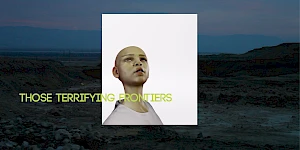
‘Palestine Is Everywhere’ is an encounter and screening at Museo Reina Sofía organised together with Cinema as Assembly as part of Museum of the Commons. The conference starts at 18:30 pm (CET) and will also be streamed on the online platform linked below.
-
HDK-Valand
Book Launch: Collective Study in Times of Emergency, Gothenburg
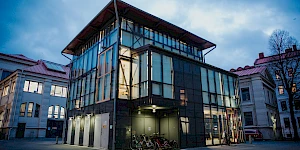
with Nick Aikens (L'Internationale Online / HDK-Valand) and Mills Dray (HDK-Valand), 17h00, Glashuset
-
Moderna galerija
Book Launch: Collective Study in Times of Emergency, Ljubljana
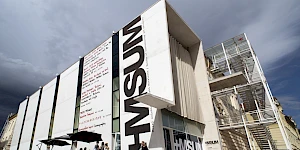
with Nick Aikens (L'Internationale Online / HDK-Valand), Bojana Piškur (MG+MSUM) and Martin Pogačar (ZRC SAZU)
-
WIELS
Book Launch: Collective Study in Times of Emergency, Brussels
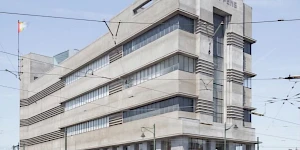
with Nick Aikens (L'Internationale Online / HDK-Valand), Subversive Film and Alex Reynolds, 19h00, Wiels Auditorium
-
NCAD
Book Launch: Collective Study in Times of Emergency, Dublin

with Nick Aikens (L'Internationale Online / HDK-Valand) and members of the L'Internationale Online editorial board: Maria Berríos, Sheena Barrett, Sara Buraya Boned, Charles Esche, Sofia Dati, Sabel Gavaldon, Jasna Jaksic, Cathryn Klasto, Magda Lipska, Declan Long, Francisco Mateo Martínez Cabeza de Vaca, Bojana Piškur, Tove Posselt, Anne-Claire Schmitz, Ezgi Yurteri, Martin Pogacar, and Ovidiu Tichindeleanu, 18h00, Harry Clark Lecture Theatre, NCAD
-
–
Collective Study in Times of Emergency, Amsterdam
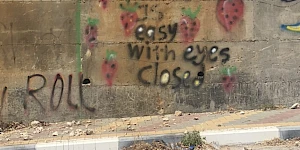
Within the context of ‘Every Act of Struggle’, the research project and exhibition at de appel in Amsterdam, L’Internationale Online has been invited to propose a programme of collective study.
-
Museo Reina Sofia
Poetry readings: Culture for Peace – Art and Poetry in Solidarity with Palestine
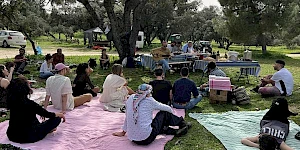
Casa de Campo, Madrid
-
WIELS
Collective Study in Times of Emergency, Brussels. Rana Issa and Shayma Nader
Join us at WIELS for an evening of fiction and poetry as part of L'Internationale Online's 'Collective Study in Times of Emergency' publishing series and public programmes. The series was launched in November 2023 in the wake of the onset of the genocide in Palestine and as a means to process its implications for the cultural sphere beyond the singular statement or utterance.
-
HDK-Valand
MA Forum in collaboration with LIO: Nour Shantout
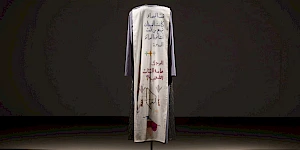
In this artist talk, Nour Shantout will present Searching for the New Dress, an ongoing artistic research project that looks at Palestinian embroidery in Shatila, a Palestinian refugee camp in Lebanon. Welcome!
-
–
International Day of Solidarity with the Palestinian People: Activities
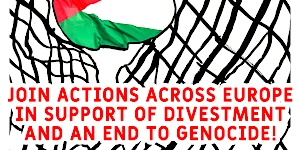
To mark International Day of Solidarity with the Palestinian People and in conjunction with our collective text, we, the cultural workers of L'Internationale have compiled a list of programmes, actions and marches taking place accross Europe. Below you will find programmes organized by partner institutions as well as activities initaited by unions and grass roots organisations which we will be joining.
This is a live document and will be updated regularly.
-
–SALT
Screening: A Bunch of Questions with No Answers
This screening is part of a series of programs and actions taking place across L’Internationale partners to mark International Day of Solidarity with the Palestinian People.
A Bunch of Questions with No Answers (2025)
Alex Reynolds, Robert Ochshorn
23 hours 10 minutes
English; Turkish subtitles
Related contributions and publications
-

Archivos negros: Episodio I. Internacionalismo radical y panafricanismo en el marco de la guerra civil española
Tania Safura AdamEN esInternationalismsPast in the Present -

Masovni studentski protesti u Srbiji: Mogućnost drugačijih društvenih odnosa
Marijana Cvetković, Vida KneževićEN rsInternationalismsPast in the Present -
Rethinking Comradeship from a Feminist Position
Leonida KovačSchoolsInternationalismsSituated OrganizationsMSU ZagrebModerna galerijaZRC SAZU -
Palma daktylowa przeciw redeportacji przypowieści, czyli europejski pomnik Palestyny
Robert Yerachmiel SnidermanEN plInternationalismsPast in the PresentMSN Warsaw -
Right now, today, we must say that Palestine is the centre of the world
Françoise VergèsInternationalismsPast in the Present -
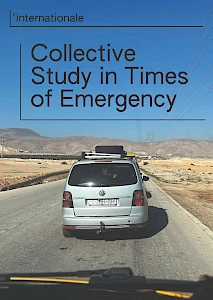
Collective Study in Times of Emergency
InternationalismsPast in the Present -
The Repressive Tendency within the European Public Sphere
Ovidiu ŢichindeleanuInternationalismsPast in the Present -
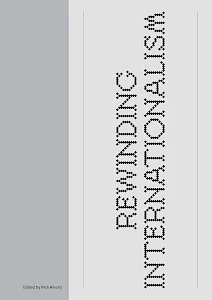
Rewinding Internationalism
InternationalismsVan Abbemuseum -
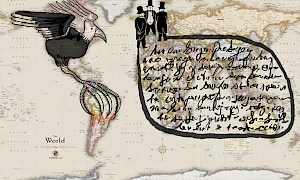
Troubles with the East(s)
Bojana PiškurInternationalismsPast in the Present -
Body Counts, Balancing Acts and the Performativity of Statements
Mick WilsonInternationalismsPast in the Present -
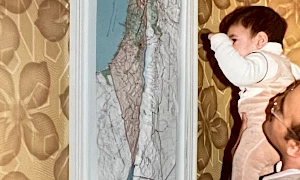
Until Liberation I
Learning Palestine GroupInternationalismsPast in the Present -
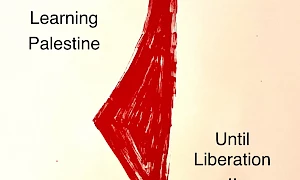
Until Liberation II
Learning Palestine GroupInternationalismsPast in the Present -
Editorial: Towards Collective Study in Times of Emergency
L’Internationale Online Editorial BoardEN es sl tr arInternationalismsStatements and editorialsPast in the Present -
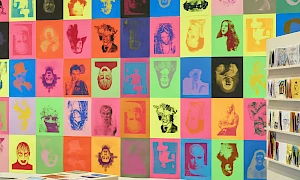
Opening Performance: Song for Many Movements, live on Radio Alhara
Jokkoo with/con Miramizu, Rasheed Jalloul & Sabine SalaméEN esInternationalismsSonic and Cinema CommonsPast in the PresentMACBA -
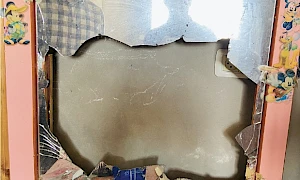
Siempre hemos estado aquí. Les poetas palestines contestan
Rana IssaEN es tr arInternationalismsPast in the Present -
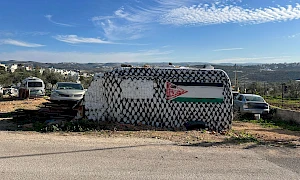
Diary of a Crossing
Baqiya and Yu’adInternationalismsPast in the Present -
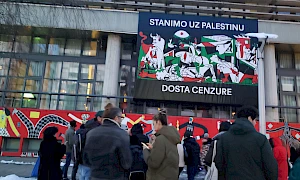
The Silence Has Been Unfolding For Too Long
The Free Palestine Initiative CroatiaInternationalismsPast in the PresentSituated OrganizationsInstitute of Radical ImaginationMSU Zagreb -
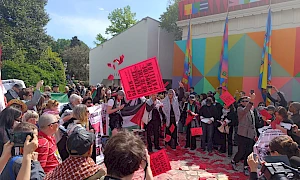
En dag kommer friheten att finnas
Françoise Vergès, Maddalena FragnitoEN svInternationalismsLand RelationsClimateInstitute of Radical Imagination -
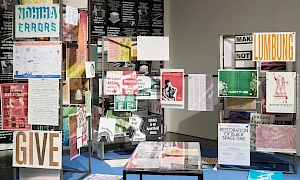
Everything will stay the same if we don’t speak up
L’Internationale ConfederationEN caInternationalismsStatements and editorials -

War, Peace and Image Politics: Part 1, Who Has a Right to These Images?
Jelena VesićInternationalismsPast in the PresentZRC SAZU -
Live set: Una carta de amor a la intifada global
PrecolumbianEN esInternationalismsSonic and Cinema CommonsPast in the PresentMACBA -
The Genocide War on Gaza: Palestinian Culture and the Existential Struggle
Rana AnaniInternationalismsPast in the Present -
Broadcast: Towards Collective Study in Times of Emergency (for 24 hrs/Palestine)
L’Internationale Online Editorial Board, Rana Issa, L’Internationale Confederation, Vijay PrashadInternationalismsSonic and Cinema Commons -
Beyond Distorted Realities: Palestine, Magical Realism and Climate Fiction
Sanabel Abdel RahmanEN trInternationalismsPast in the PresentClimate -

Collective Study in Times of Emergency. A Roundtable
Nick Aikens, Sara Buraya Boned, Charles Esche, Martin Pogačar, Ovidiu Ţichindeleanu, Ezgi YurteriInternationalismsPast in the PresentSituated Organizations -
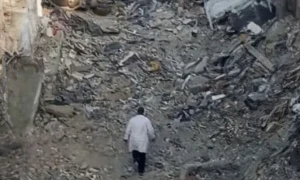
S come Silenzio
Maddalena FragnitoEN itInternationalismsSituated Organizations -
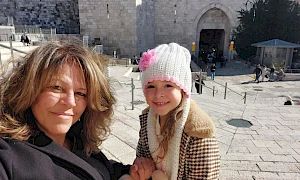
ميلاد الحلم واستمراره
Sanaa SalamehEN hr arInternationalismsPast in the Present -
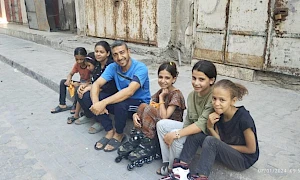
عن المكتبة والمقتلة: شهادة روائي على تدمير المكتبات في قطاع غزة
Yousri al-GhoulEN arInternationalismsPast in the Present -

Re-installing (Academic) Institutions: The Kabakovs’ Indirectness and Adjacency
Christa-Maria Lerm HayesInternationalismsPast in the Present -
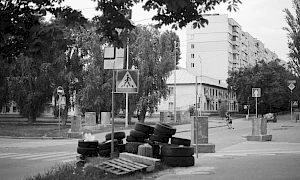
No Doubt It Is a Culture War
Oleksiy Radinsky, Joanna ZielińskaInternationalismsPast in the Present -
Cinq pierres. Une suite de contes
Shayma NaderEN nl frInternationalisms -
Dispatch: As Matter Speaks
Yeongseo JeeInternationalismsPast in the Present -
Speaking in Times of Genocide: Censorship, ‘social cohesion’ and the case of Khaled Sabsabi
Alissar SeylaInternationalisms -
Today, again, we must say that Palestine is the centre of the world
Françoise VergèsInternationalisms -
Isabella Hammad’ın icatları
Hazal ÖzvarışEN trInternationalisms -
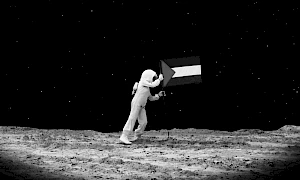
To imagine a century on from the Nakba
Behçet ÇelikEN trInternationalisms -
Internationalisms: Editorial
L'Internationale Online Editorial BoardInternationalisms -
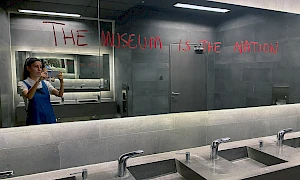
Dispatch: Institutional Critique in the Blurst of Times – On Refusal, Aesthetic Flattening, and the Politics of Looking Away
İrem GünaydınInternationalisms -
Until Liberation III
Learning Palestine GroupInternationalismsPast in the Present -
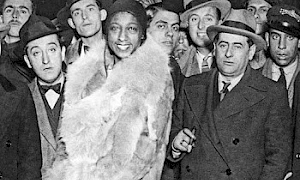
Archivos negros: Episodio II. Jazz sin un cuerpo político negro
Tania Safura AdamEN esInternationalismsPast in the Present -
Cultural Workers of L’Internationale mark International Day of Solidarity with the Palestinian People
Cultural Workers of L’InternationaleEN es pl roInternationalismsSituated OrganizationsPast in the PresentStatements and editorials -
Poetry Against Language Dioxide
Rana IssaInternationalisms -
The Object of Value
SlinkoInternationalismsLand Relations -
Translated into Socialism: An experiment in internationalism
Merve Elveren, Tevfik Rada, Sezgin BoynikInternationalisms