Cultivating Abundance
Combining text, moving image and archival reproductions, ‘Cultivating Abundance’ traces the history of monocultural farming techniques, and their representation, in Sweden through the long-term research project of artist Åsa Sonjasdotter. Outlining the dangers of monocultural techniques, both ecologically and culturally, the project uncovers the vital work being done by counter-movements to the monopoly of large-scale agribusiness.
This is a story that begins from soil that accumulated comparably recently, geologically speaking. It is generated from clay that gathered by the fringes of the vast ice cap that covered the northern hemisphere until some 10,000 to 12,000 years ago. The retraction of the ice left behind vast plains of mineral-rich earth. Over the years it bore ground to oak and elm forests, where it became soil that would prove to be very generous for farming.
I would learn to know this soil intimately. I grew up in its habitats and by its waters, and I was fed from its yields, harvested in my family’s back garden. The scattered houses of the settlement where we lived were squeezed between vast farm fields where we kids laboured, weeding sugar beets in the summer. We should not drink the water from the wells, we were told, as toxic stuff used in the fields leaked into it.
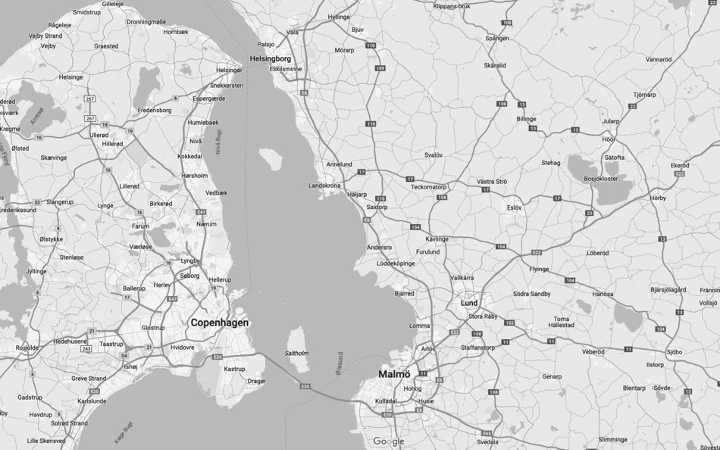
Extract from a map of southern Scandinavia, the region from which this research departs
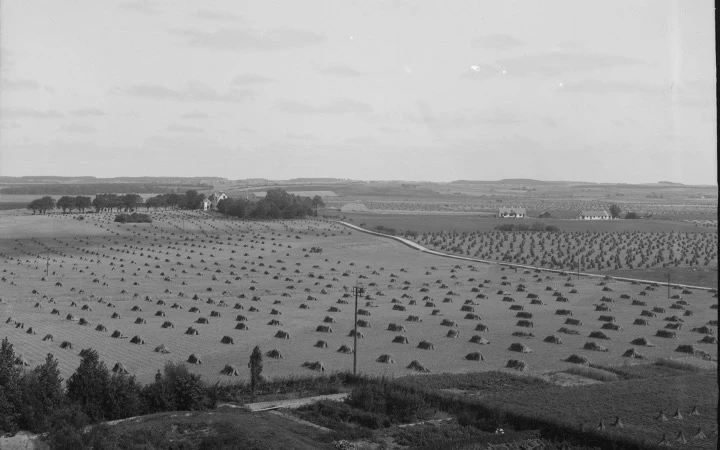
Fields of the Sveriges utsädesförening (Swedish Seed Association). Photography courtesy of Lantmännen, ca. 1907
Having grown up near these fields, yet with an unsettled feeling towards them, some twenty years ago I began looking more closely into their stories. One of the sites I visited for research was a local centre for plant breeding. When the janitor learned that I was a visual artist, she asked if she could take me to the attic; there were a few things she wanted to show me. Pointing at long rows of what I would come to learn were photographic silver-gelatine glass plates, stacked side by side across the floor, she asked, could you make use of any of these? The plates were covered in dust and pigeon droppings. The moments captured on these plates, I would later learn, documented the very first steps towards monoculture plant breeding as it is practised today by the global seed industry.
I continued researching this history as well as its counter-movements. The outcome of this research has been processed in various formats, among them the 2022 film Cultivating Abundance, made in dialogue with local seed association Allkorn (Common Grains) and plant breeder Hans Larsson. The film revisits the photographs and moving images recorded and then archived at this plant-breeding centre, which was later called the Swedish Seed Association. Further, it follows Larsson’s and Allkorn’s work to restore and regenerate still-extant peasant-bred grains that have survived the monocultural takeover.1
Tracing these events with respect to the soil, there was a decisive moment that brought about a shift in relation to the land – a shift that, in many ways, enabled monoculture farming to become a thinkable and even credible concept. Between 1749 and 1827, a few generations before the formation of the Swedish Seed Association, the Swedish state imposed land reforms in this region.2 For about a thousand years before the reforms, the land had been in the custody of peasant communities – even when it was owned by the church, by the crown or by lords. In this older system, each farming village formed a legally responsible entity. Thus, all of the village’s inhabitants were collectively responsible, for example, for tax payments. The land reforms compartmentalized the land and allocated each farmhouse of the village to one land unit. One member of each farming household became the private, legal owner of both the farmhouse and the land. The remaining people in the household had legal rights only through this person. In a patriarchal hereditary system such as this, this person was most often a man. The initiative to found the plant-breeding centre, which opened in 1886, came from farmers and landowners that had gained wealth through these reforms.
Excerpt from the film Cultivating Abundance by Åsa Sonjasdotter, made in dialogue with the plant breeder Hans Larsson and the Allkorn association, 2022
The voice-over of the film Cultivating Abundance (2022) introduces the purpose of the silver-gelatine photographs at the Svalöv Institute:
These glass plates document the very first years of the Swedish Seed Association in Svalöv. It was here that crop breeding for uniform crops was systemized, becoming the approach practised today by the global seed industry.
The breeders knew it was possible to grow uniform crops: Nearby, Copenhagen’s Carlsberg breweries had demonstrated this. Since the end of the 1880s, Carlsberg had cultivated a ‘pure’ yeast culture from a single strain of fungus. This enabled them to predict the outcome of the brewing process, making large-scale production much more efficient. So, the breeders in Svalöv applied the same method to plants.
This method was, in the words of the plant breeders themselves, a ‘total reversal of the old understanding’.3 Instead of saving selected seeds, which since ancient times had been understood as a regenerative, ongoing process of crop adaptation, breeders worked towards ‘recognizing and controlling the uniformity’ of ‘already existing’ properties in the seeds.4 The traditional understanding, that living matter is in constant flux was abandoned as a result of this shift. Instead, ideals were formed in resonance with theories of immutable laws of hereditary, such as those proposed by German friar Gregor Mendel in the 1880s.5
To put these theories into practice, selected plants were inbred over several generations until so-called ‘pure lines’ emerged from which genetic ‘contaminants’ had been removed.6 Crops showing traits of interest to breeders were taken from the fields to the clinical environment of the laboratory, where they first underwent the process of inbreeding. Once a varietal ‘pure line’ had been realized, it was then crossbred with a ‘pure line’ of a different variety of the same crop. The aim was to obtain a new, so-called ‘elite variety’ that would combine desirable features of both ‘pure’ strains in one and the same plant.7 This crossbred ‘elite variety’ would then be propagated in large quantities, to be sold and distributed over long distances for large-scale cultivation. The plant-breeding institute in Svalöv became internationally renowned, receiving prestigious study visits from scientists based at leading research institutes abroad.
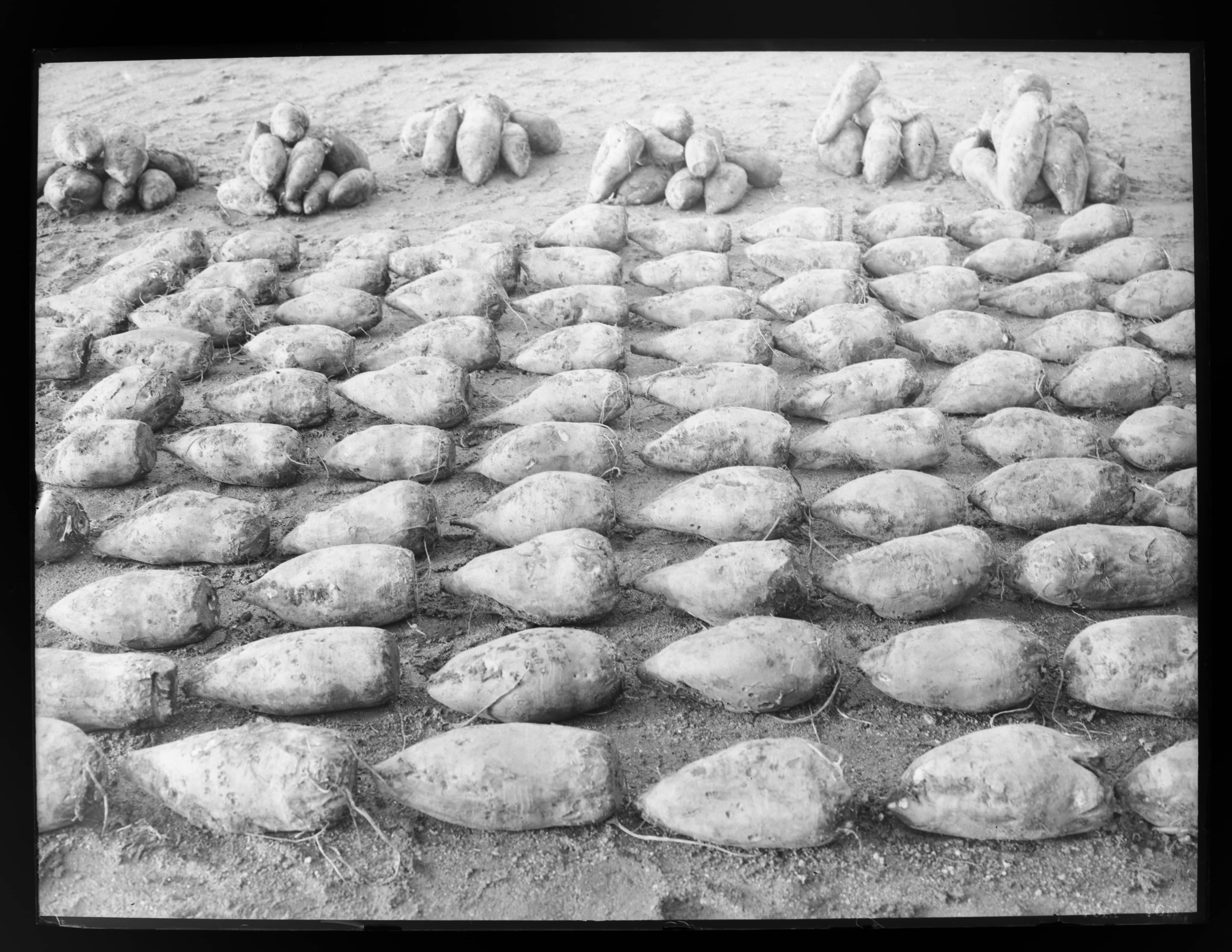
The Sveriges utsädesförening (Swedish Seed Association). Photography courtesy of Lantmännen, ca. 1907
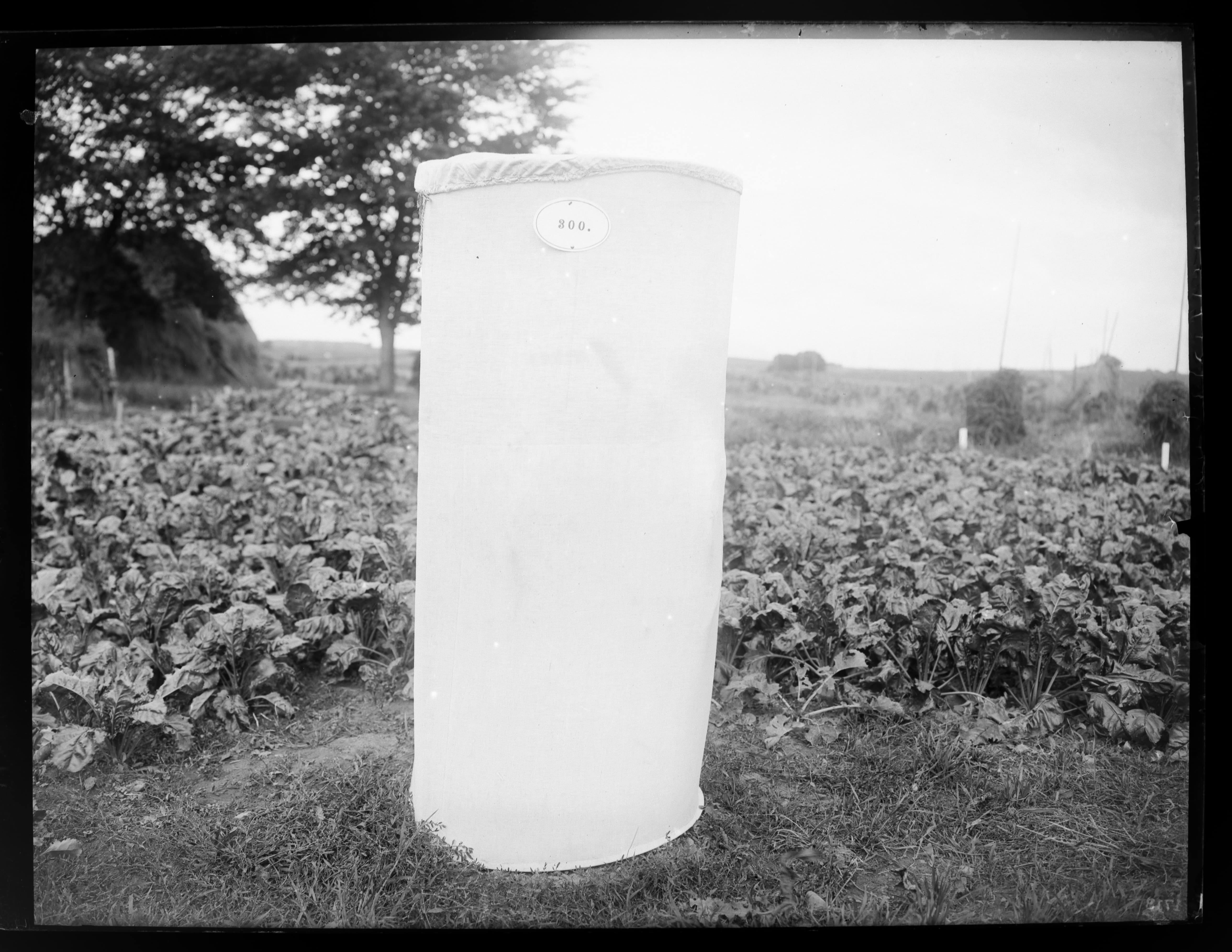
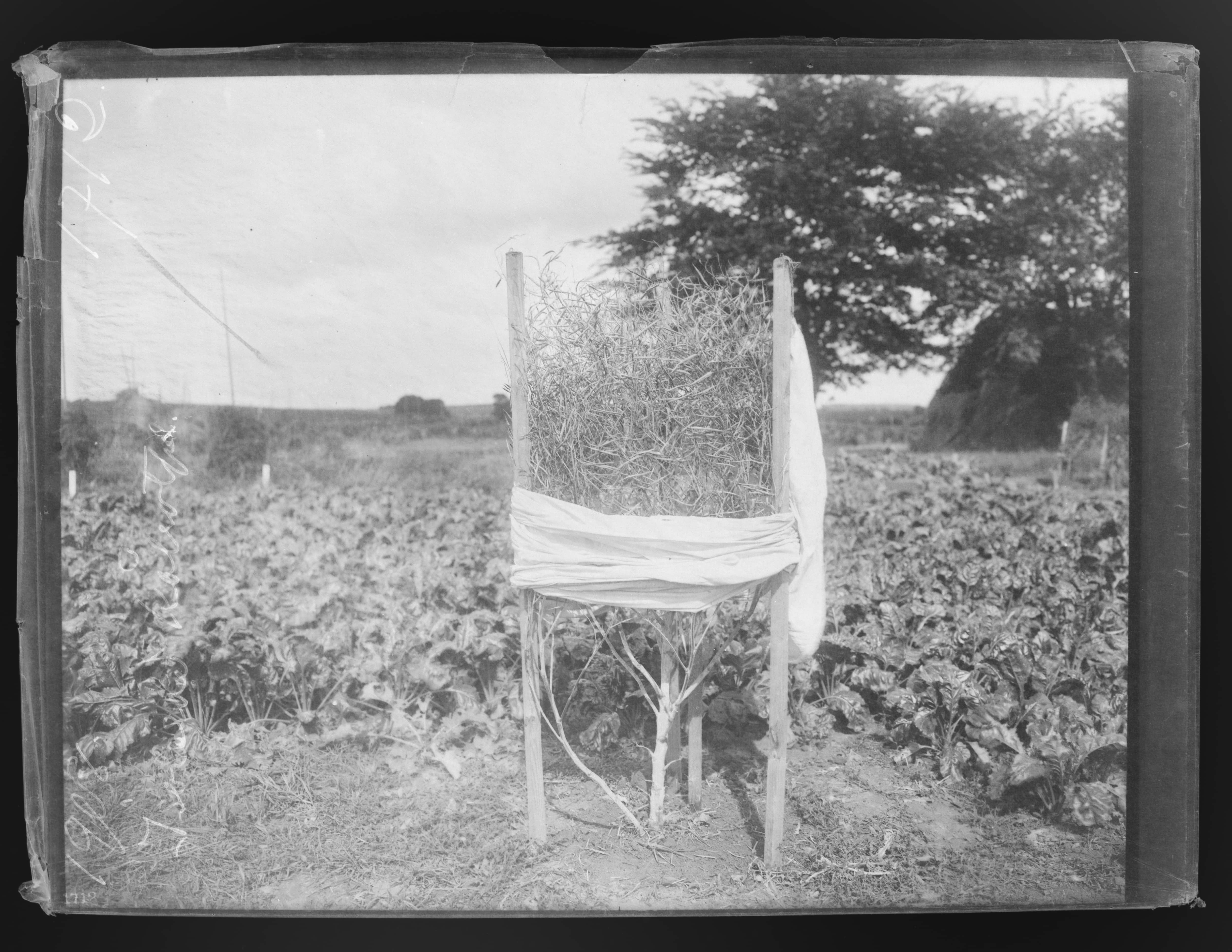
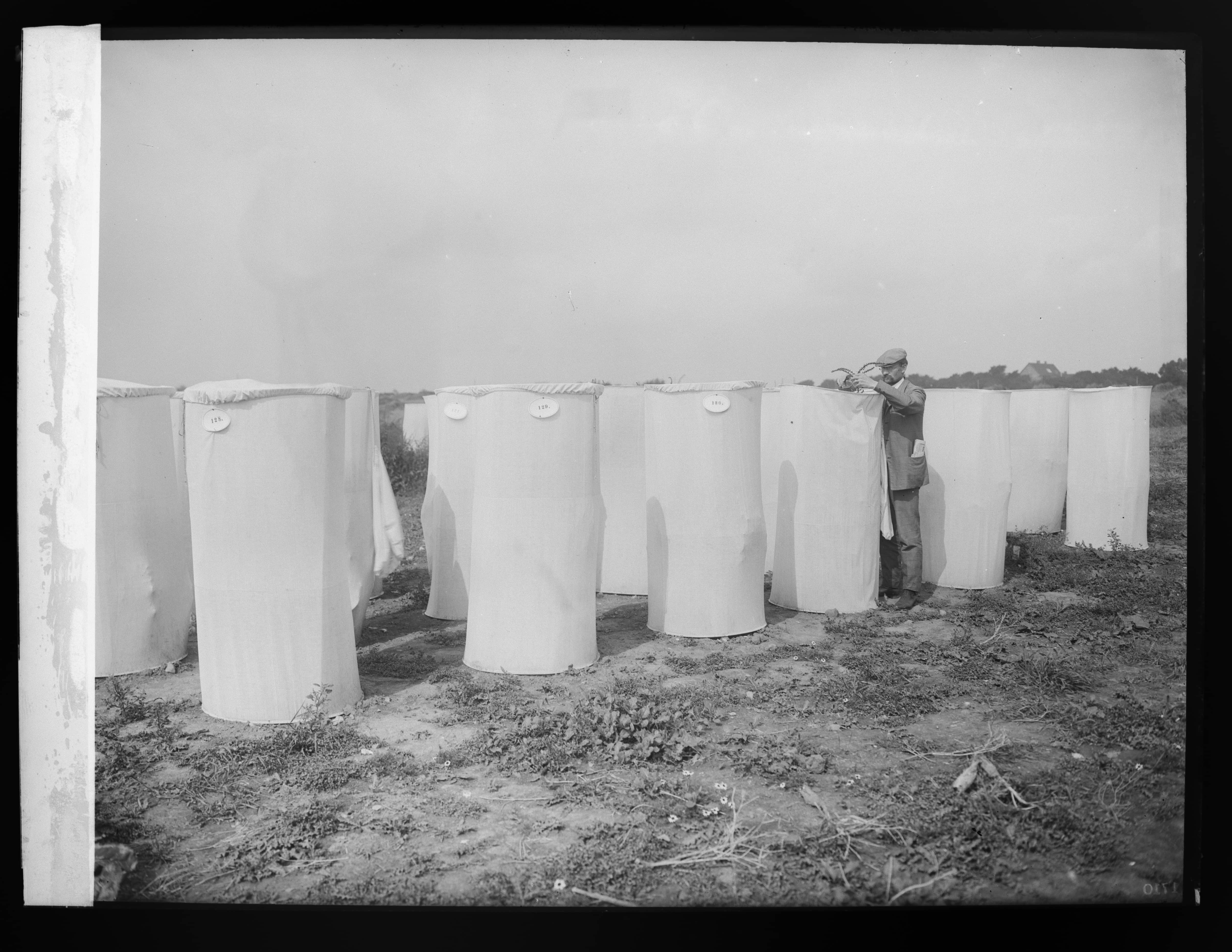
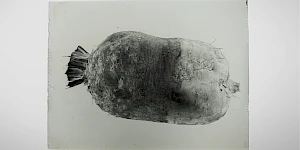
The technique of monoculture plant breeding was developed in conjunction with experimentation in the visual representation of uniform and standardized crops, using the recently invented technique of photography. The light-sensitive medium generated black-and-white images, emphasizing contrasts in volume and line while omitting colour. Early photographs show how photographers embedded at the institute developed a method of visually imposing ‘originality’ and patterned uniformity on the plants. Root crops were sorted and arranged into rows and grids in the field after harvest, or else attached to metal poles on wooden structures that lifted them into the air.8 A sheet was then placed behind each structure, whitening or blackening the surrounding environment. Indoors, a studio setting was created. Here, grains and root crops were placed in wooden boxes filled with soil to suggest a farm field, again with white or black sheets suspended behind them.
The production of such images ran parallel to the breeding of crops towards uniformity. However, as this breeding technique required up to ten growing seasons to achieve results, in the early years of the institute’s operation, it was the soon-to-be-obliterated peasant-bred crops that were used as props to visualize ‘originality’ and uniformity in the institute’s studio settings.9
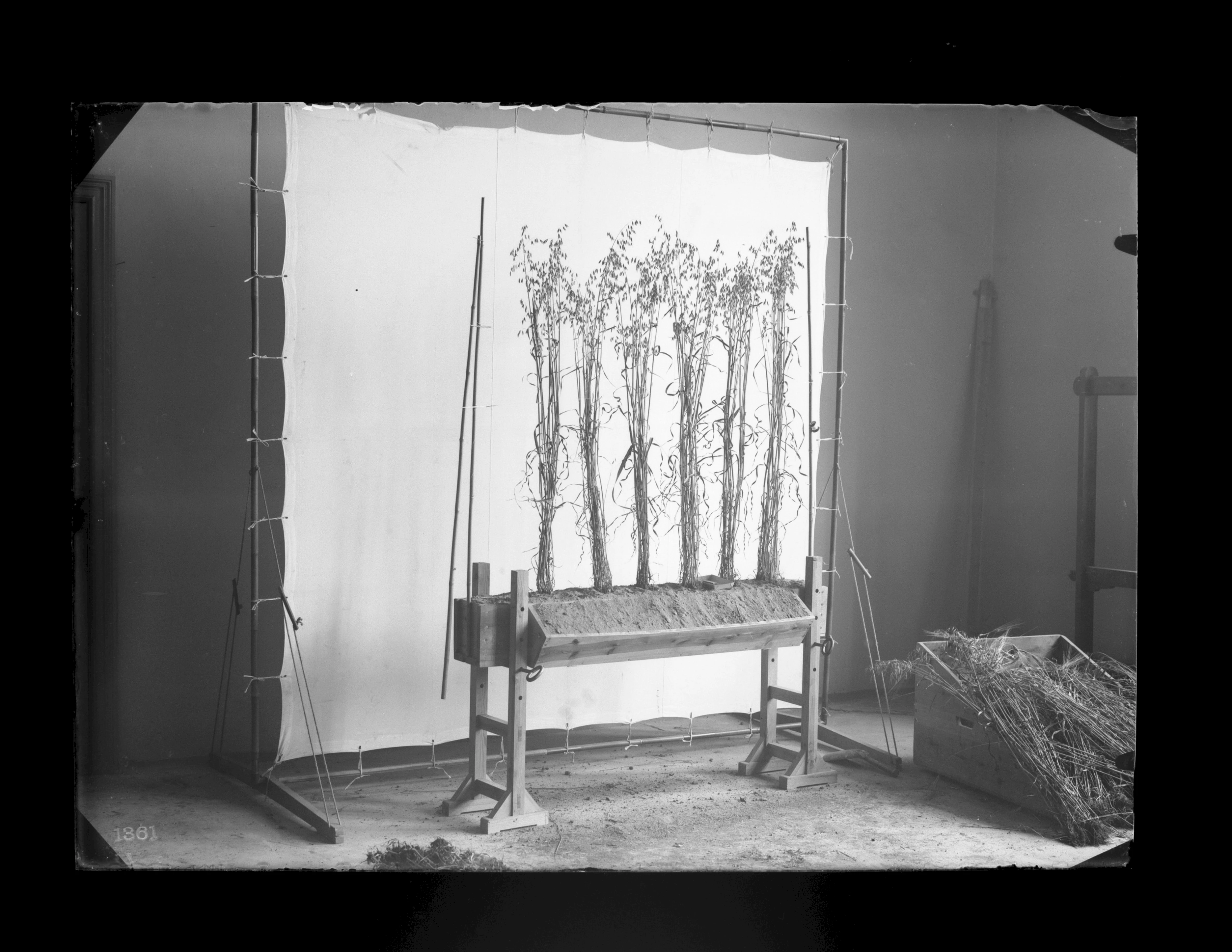
Parts of the photographic installation The visual process towards the image of uniform and original crops, presented at the Badischer Kunstverein, Karlsruhe, Germany, 6 October to 3 December 2023, and currently at Lunds konsthall, Sweden, 31 May – 26 August 2024
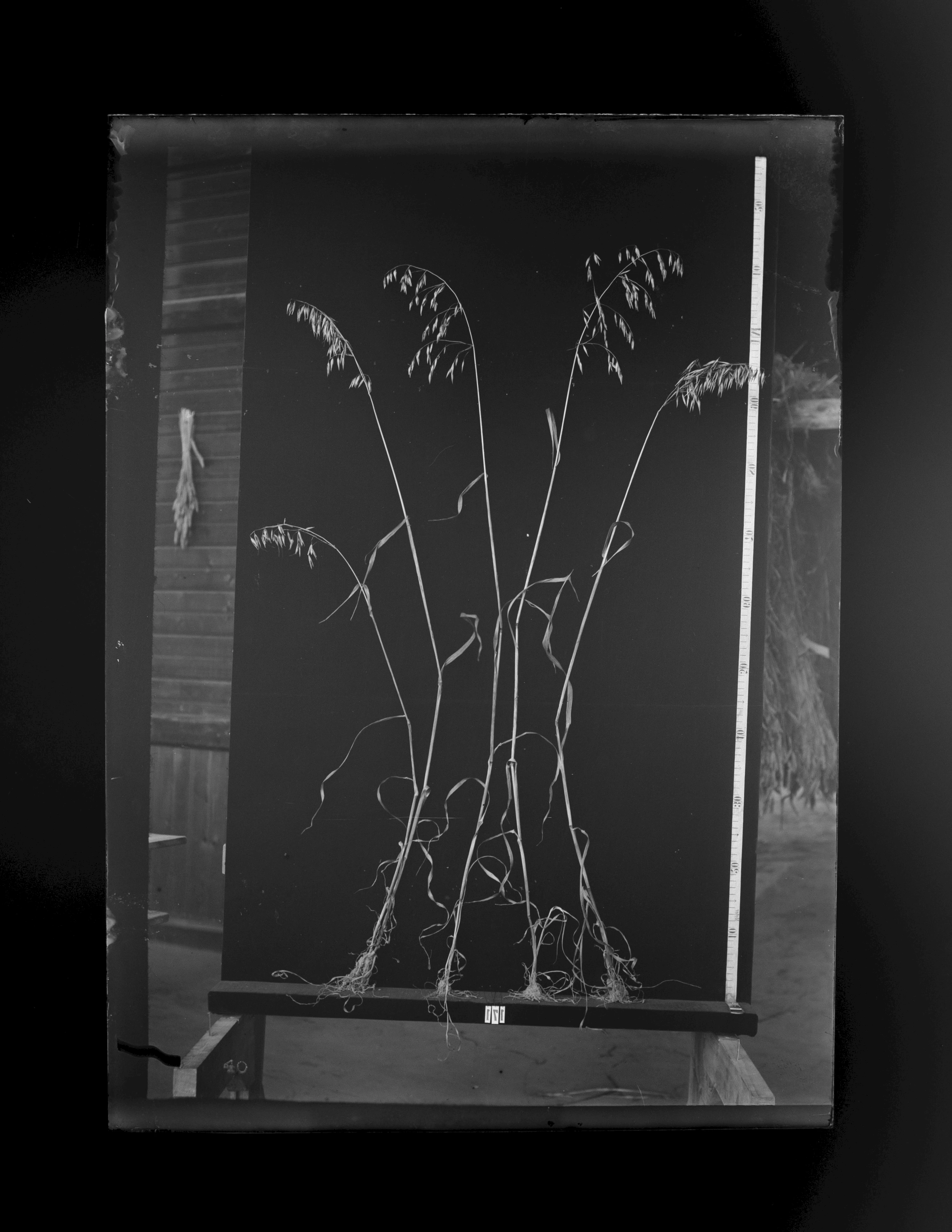
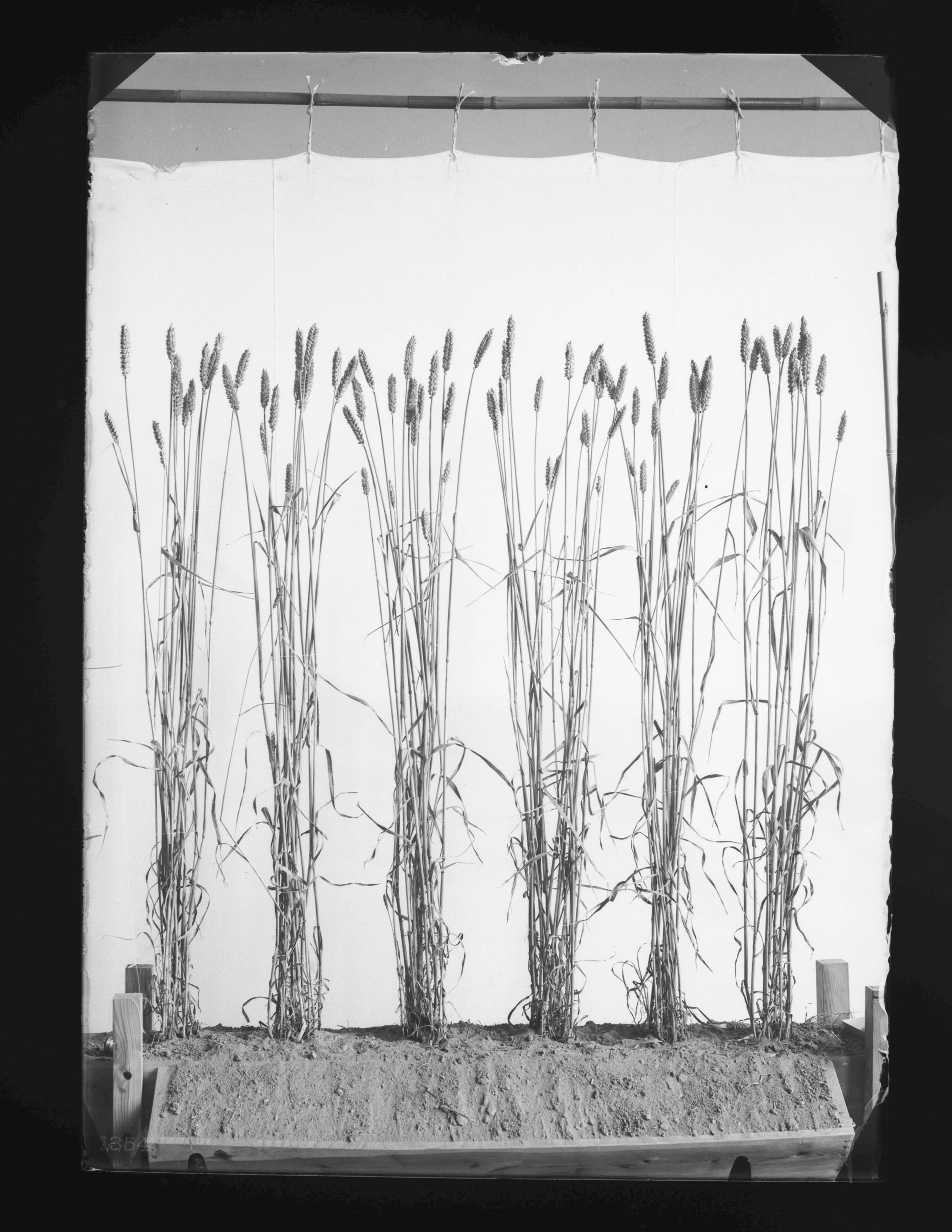
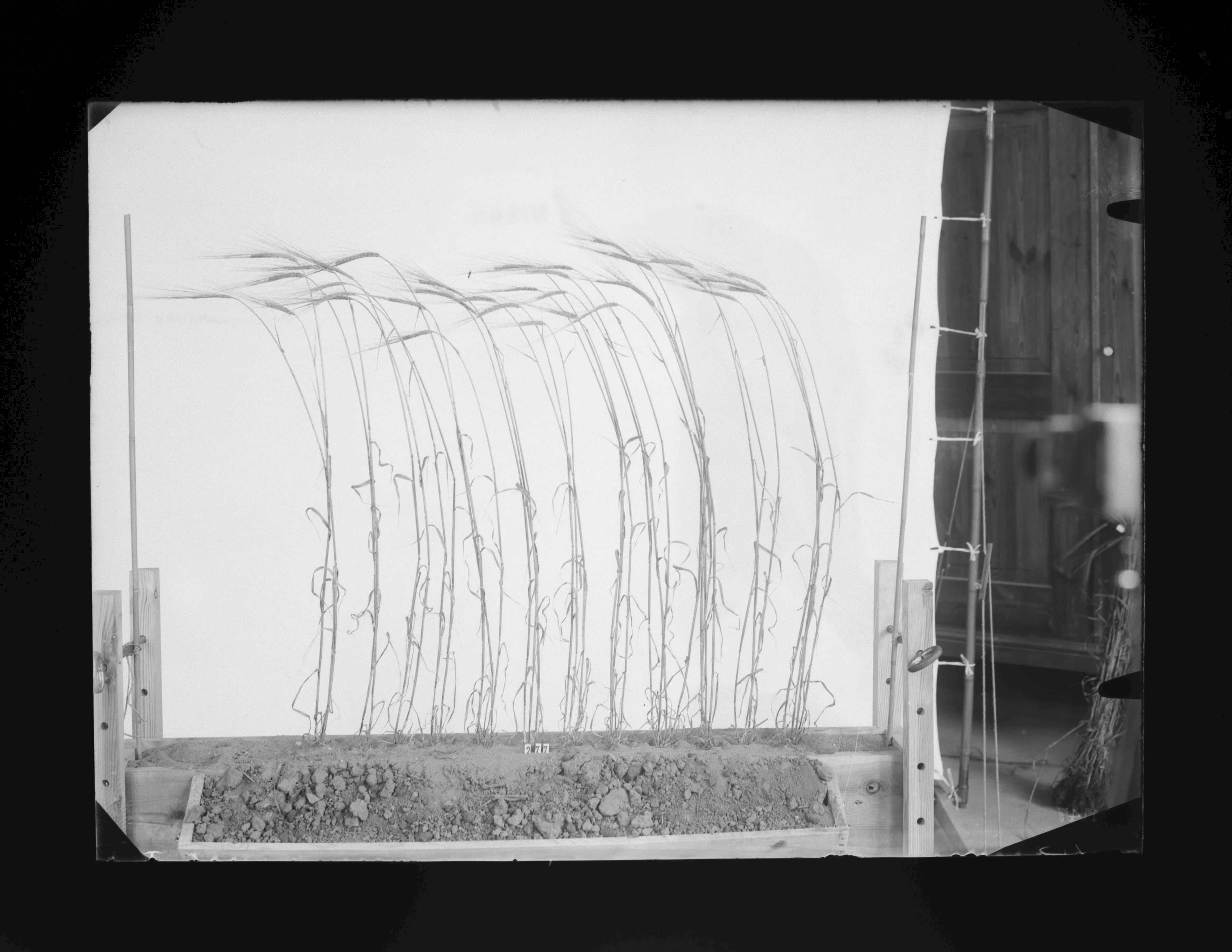
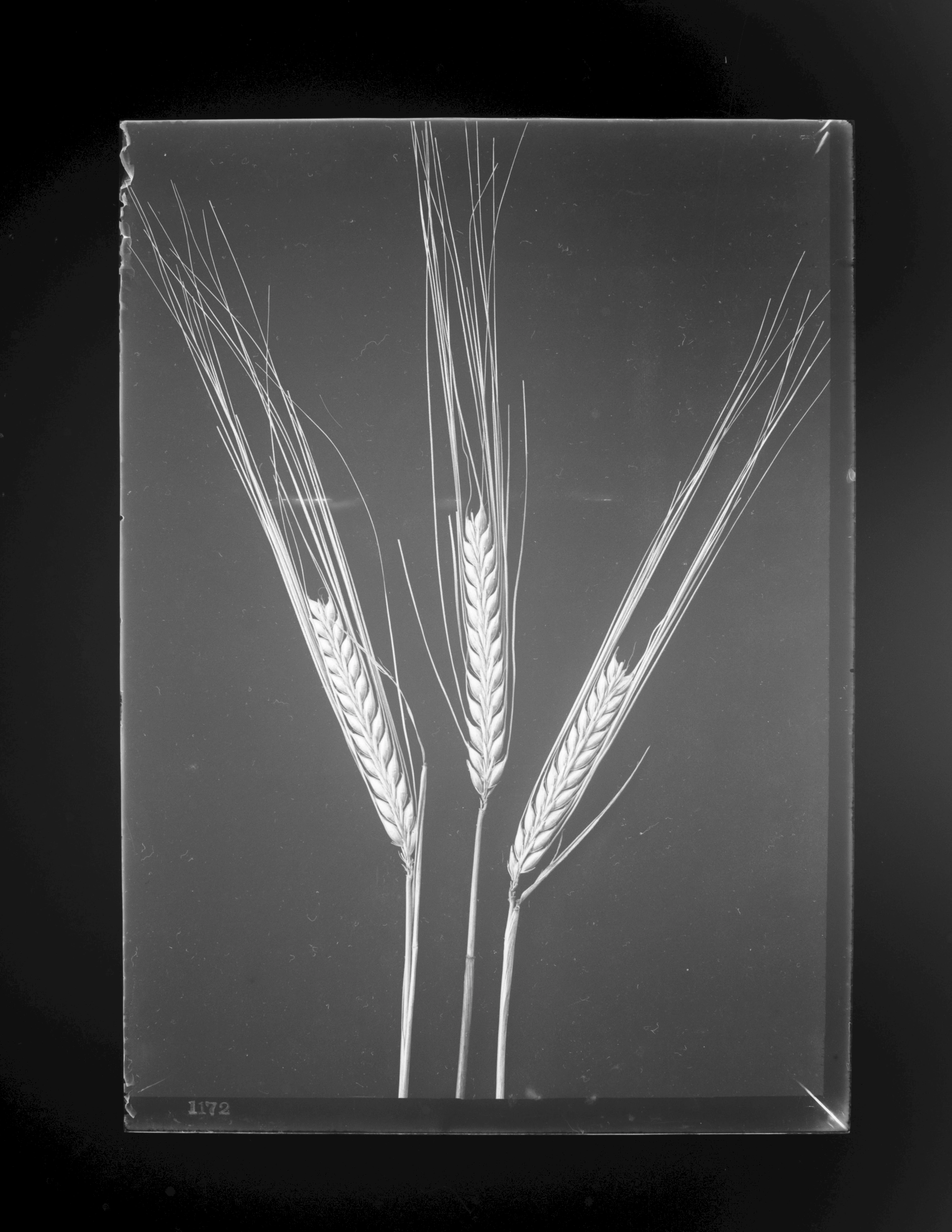
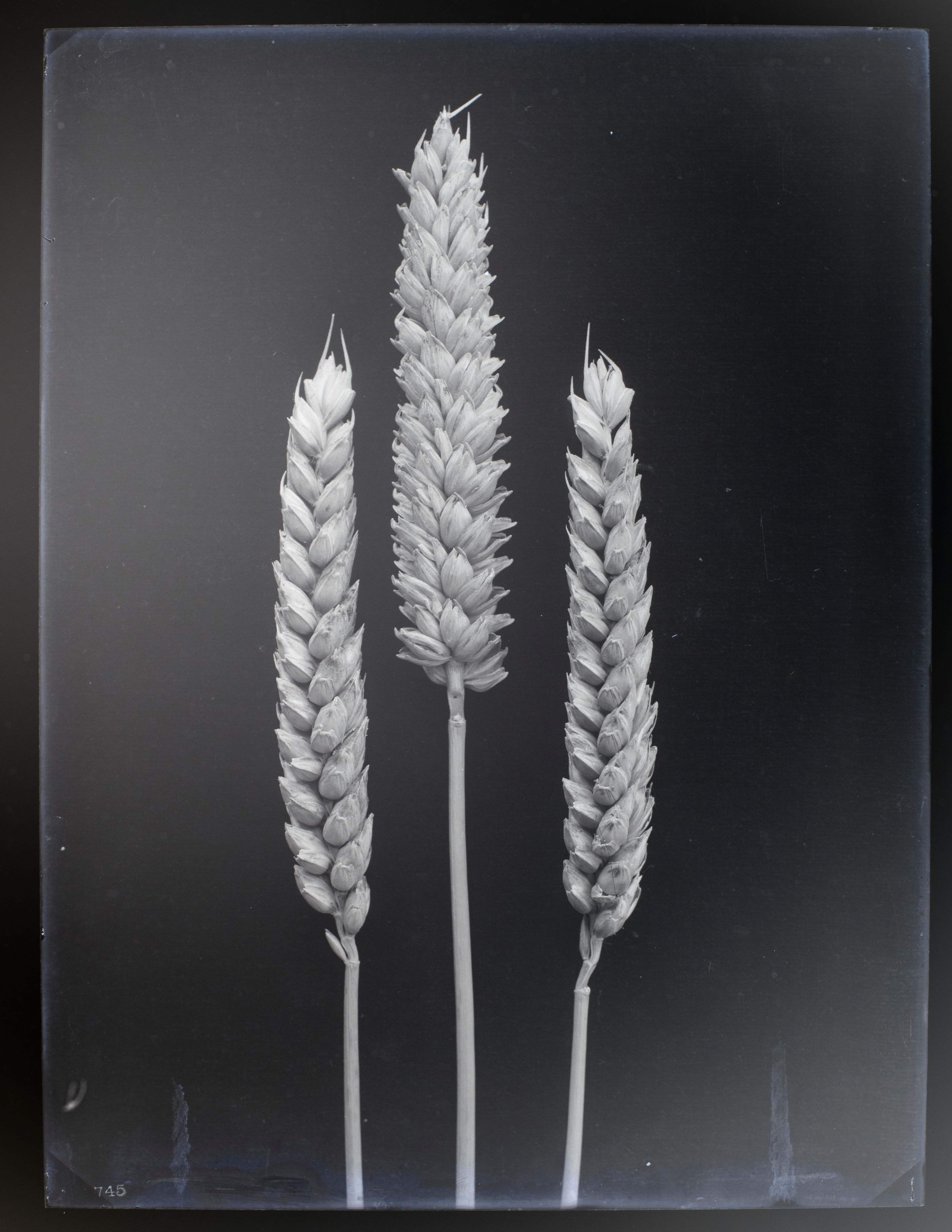
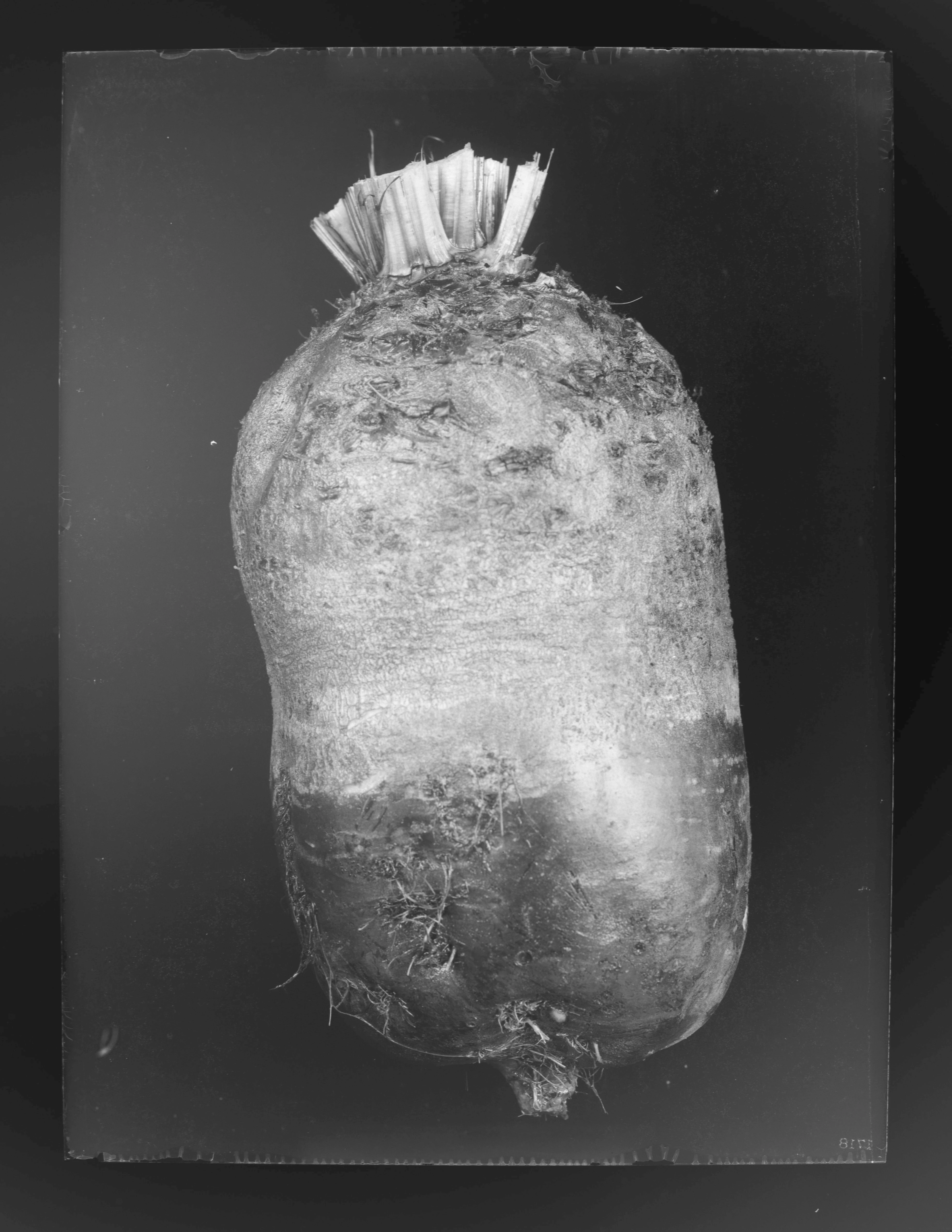
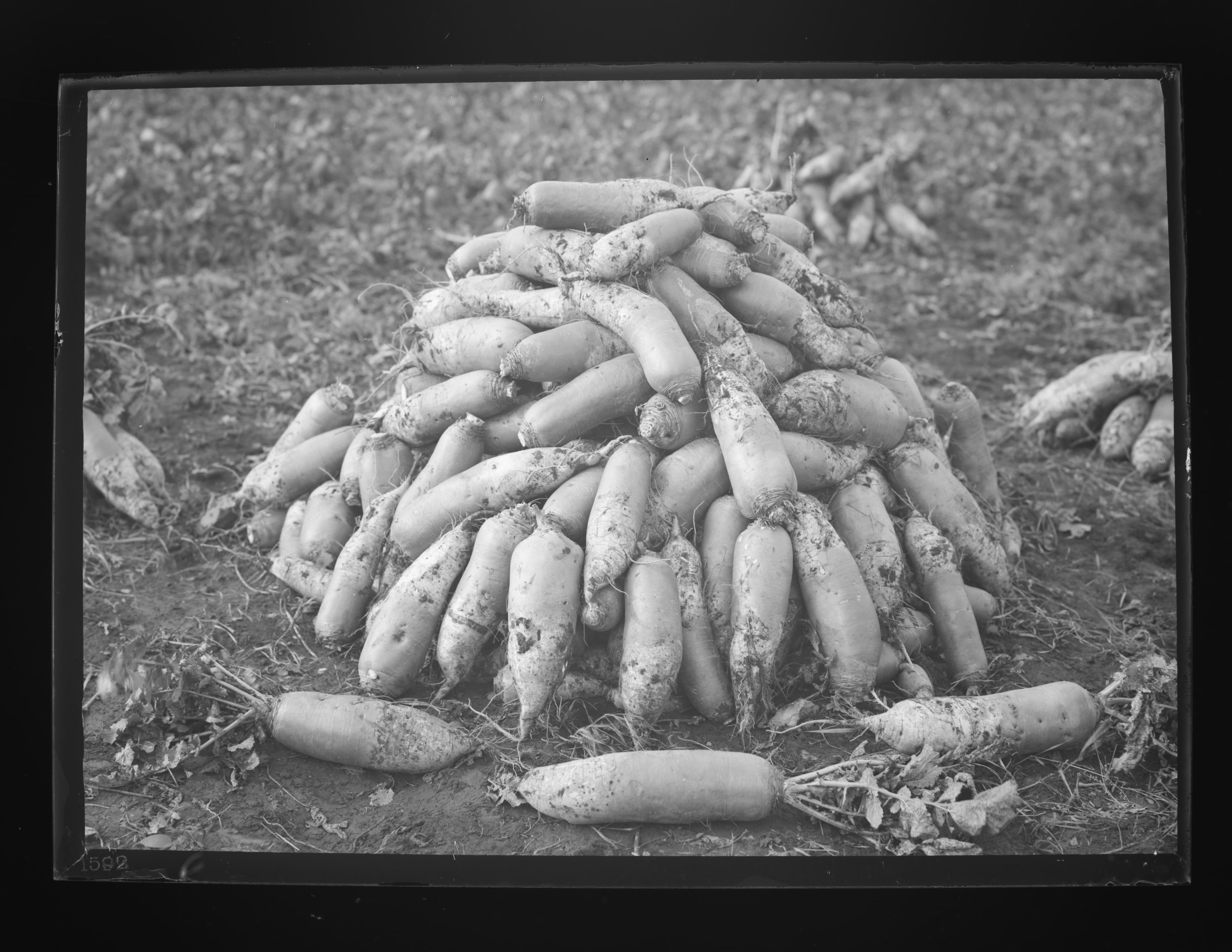
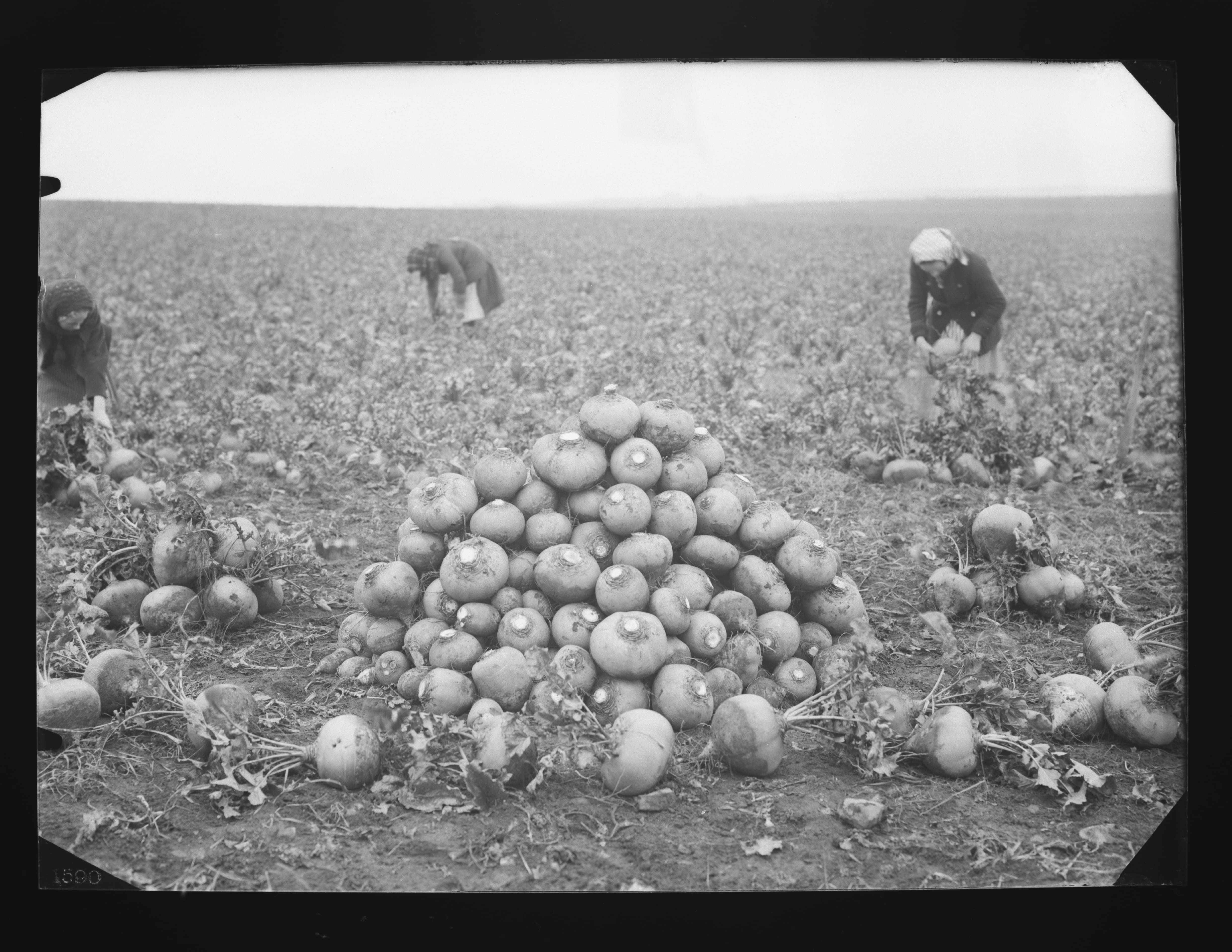
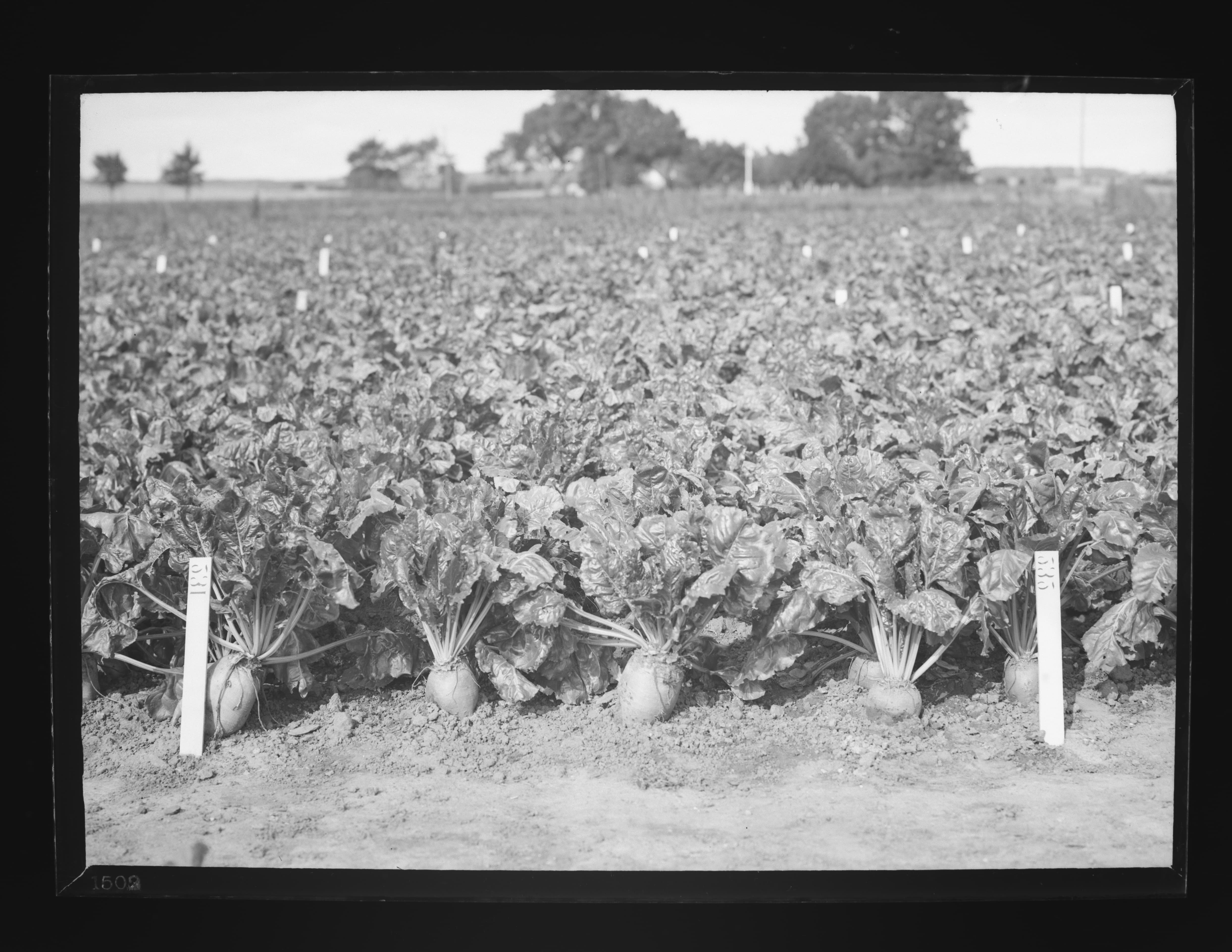
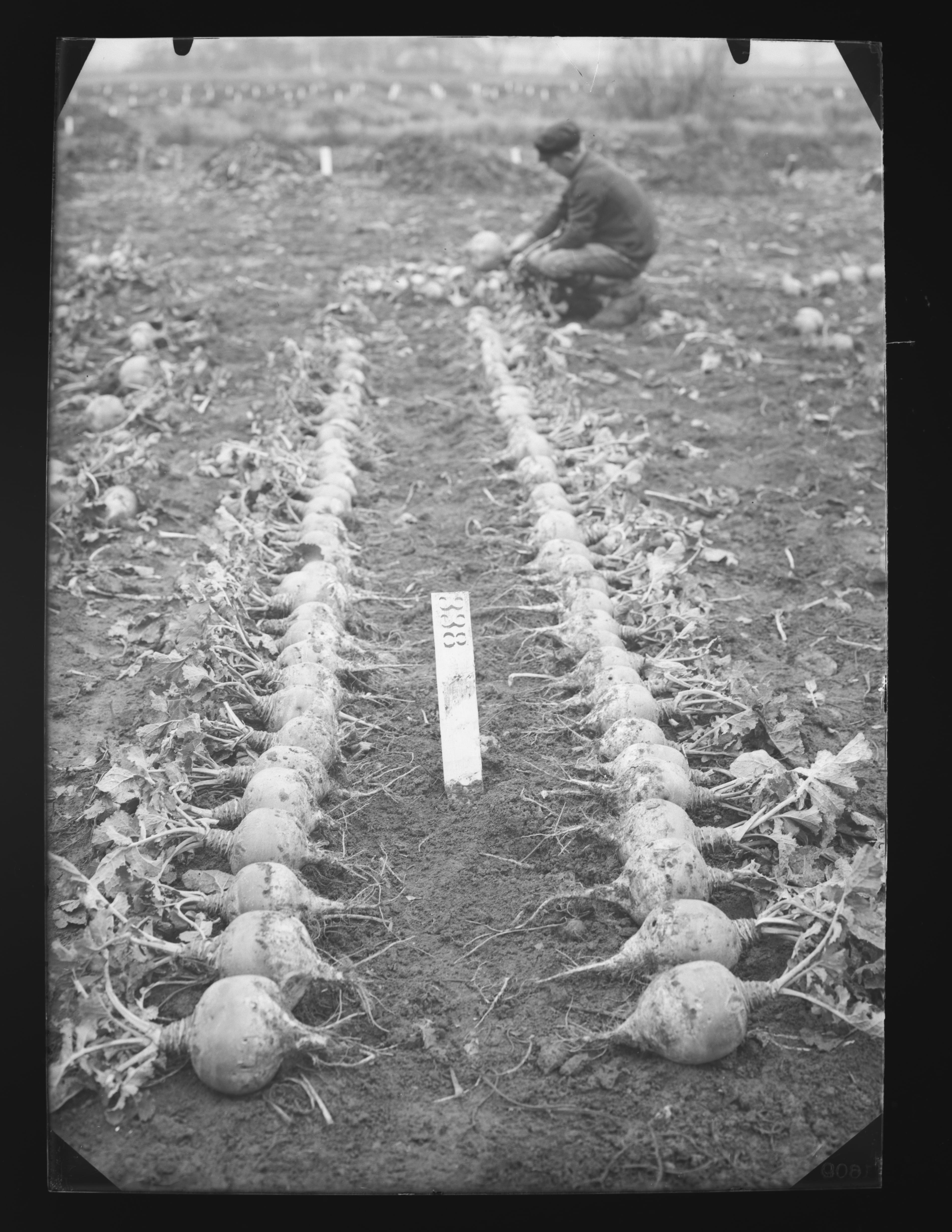
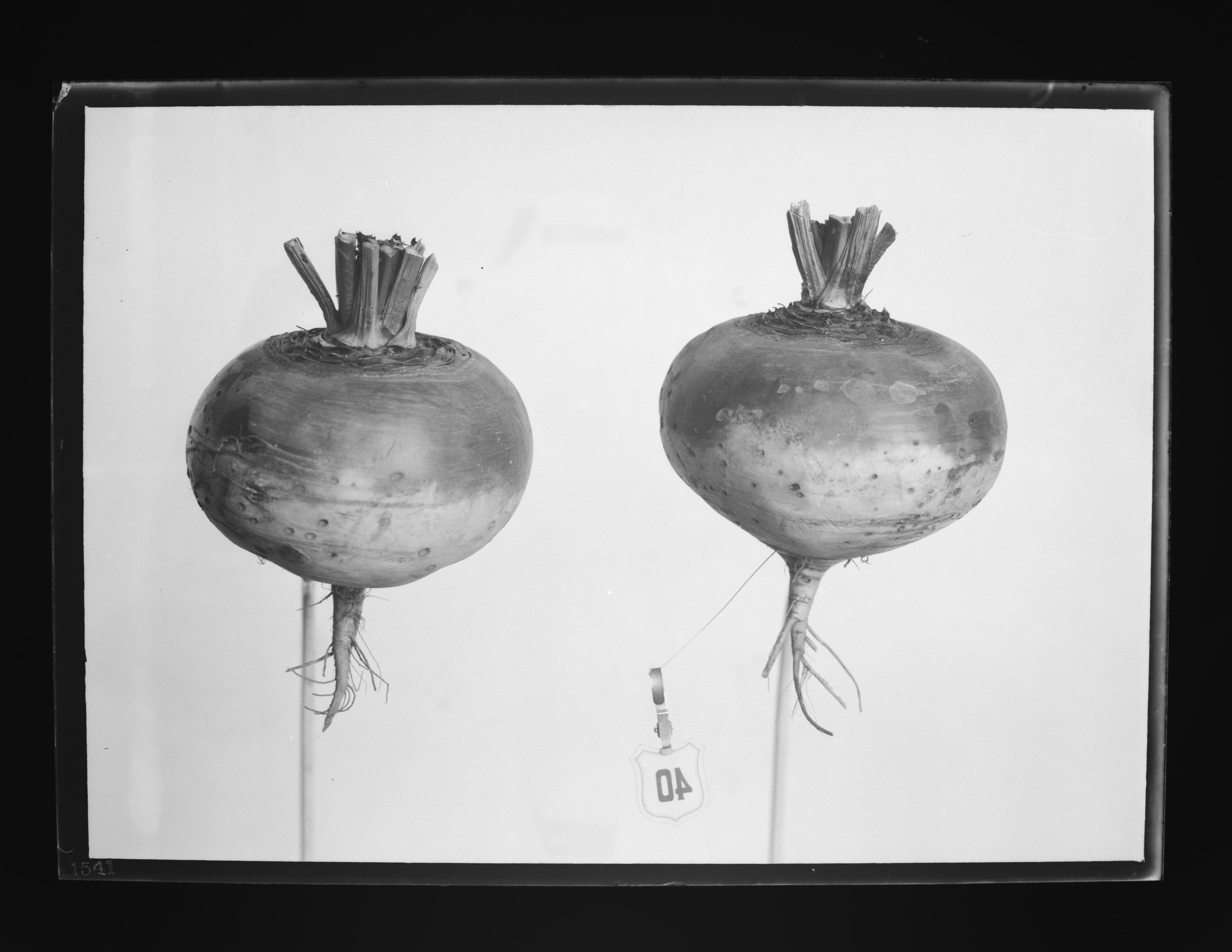
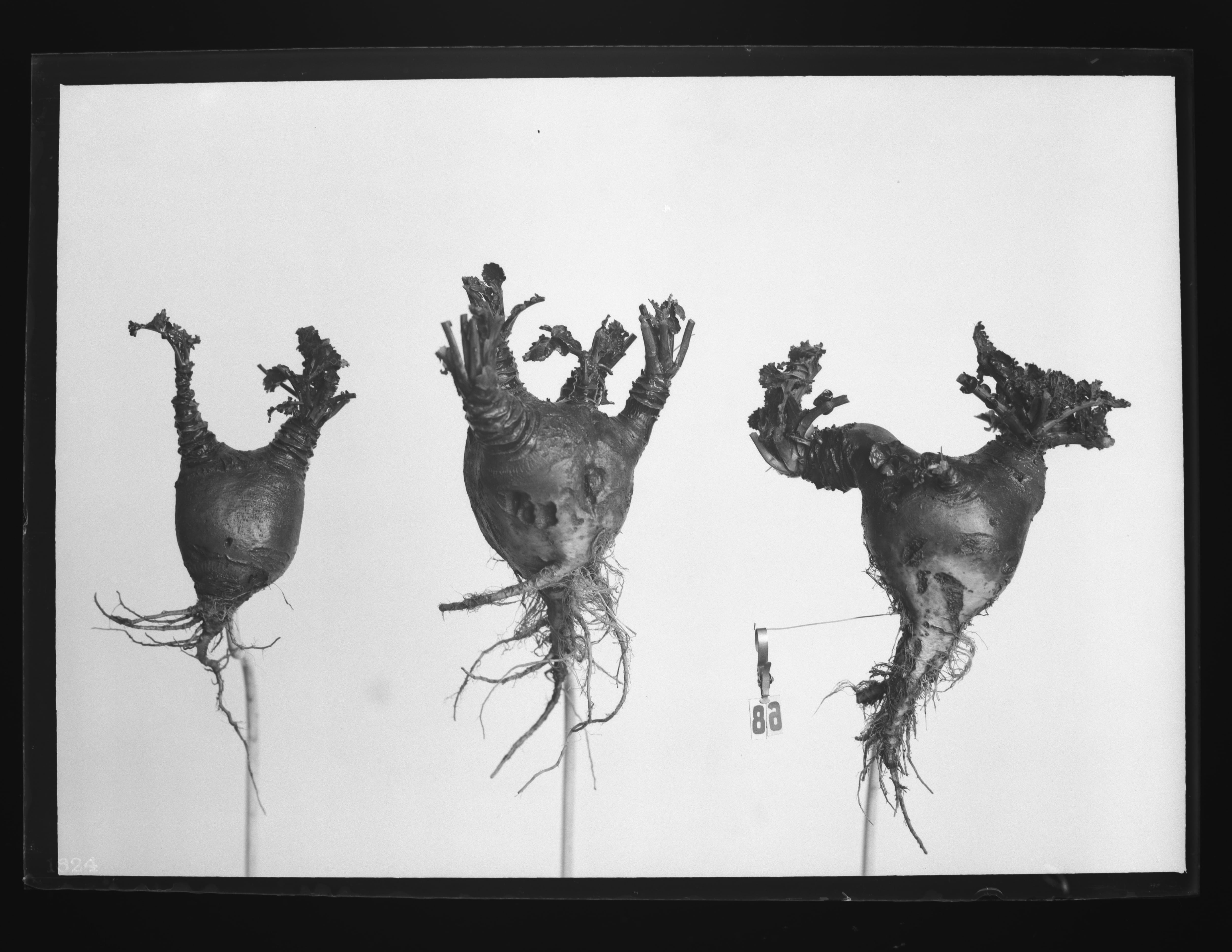
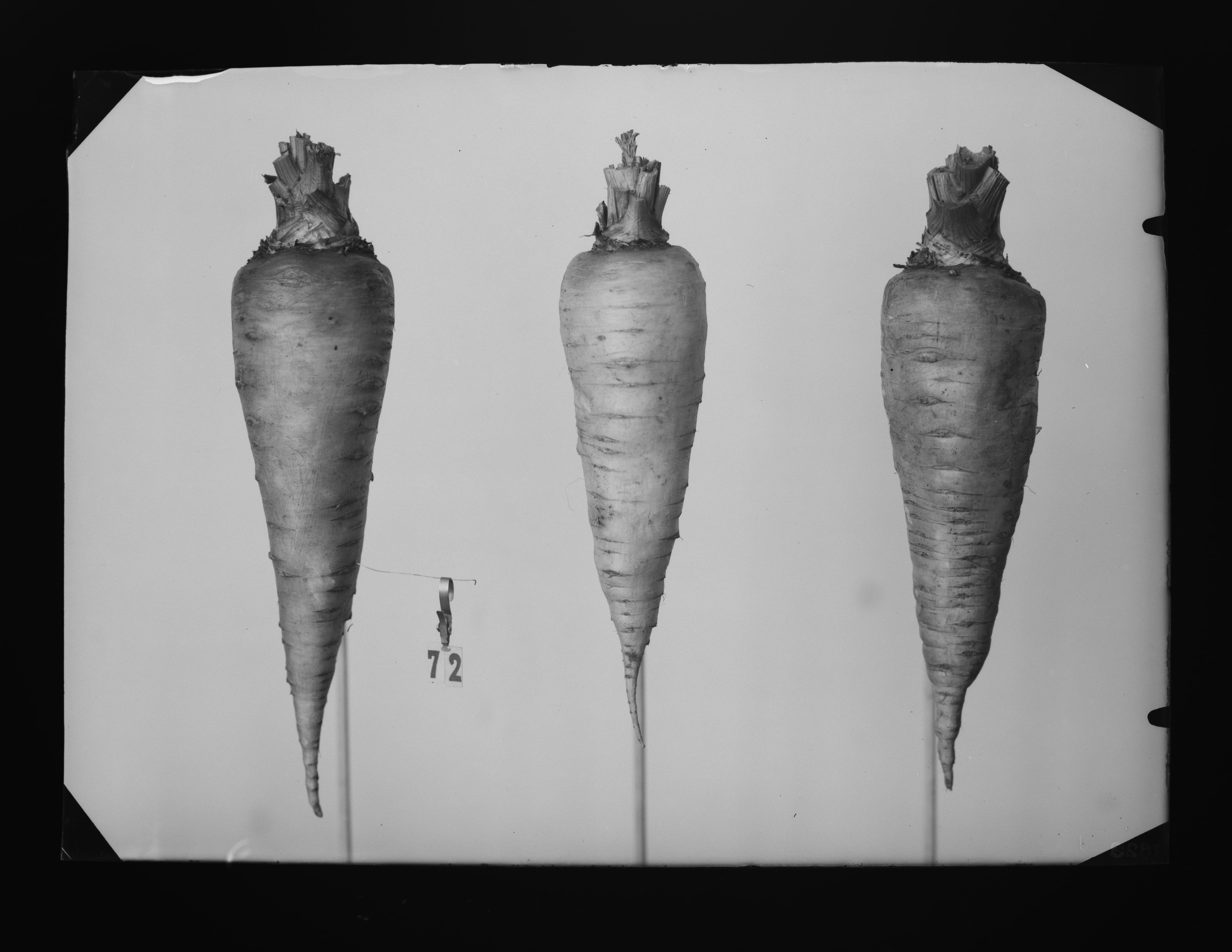
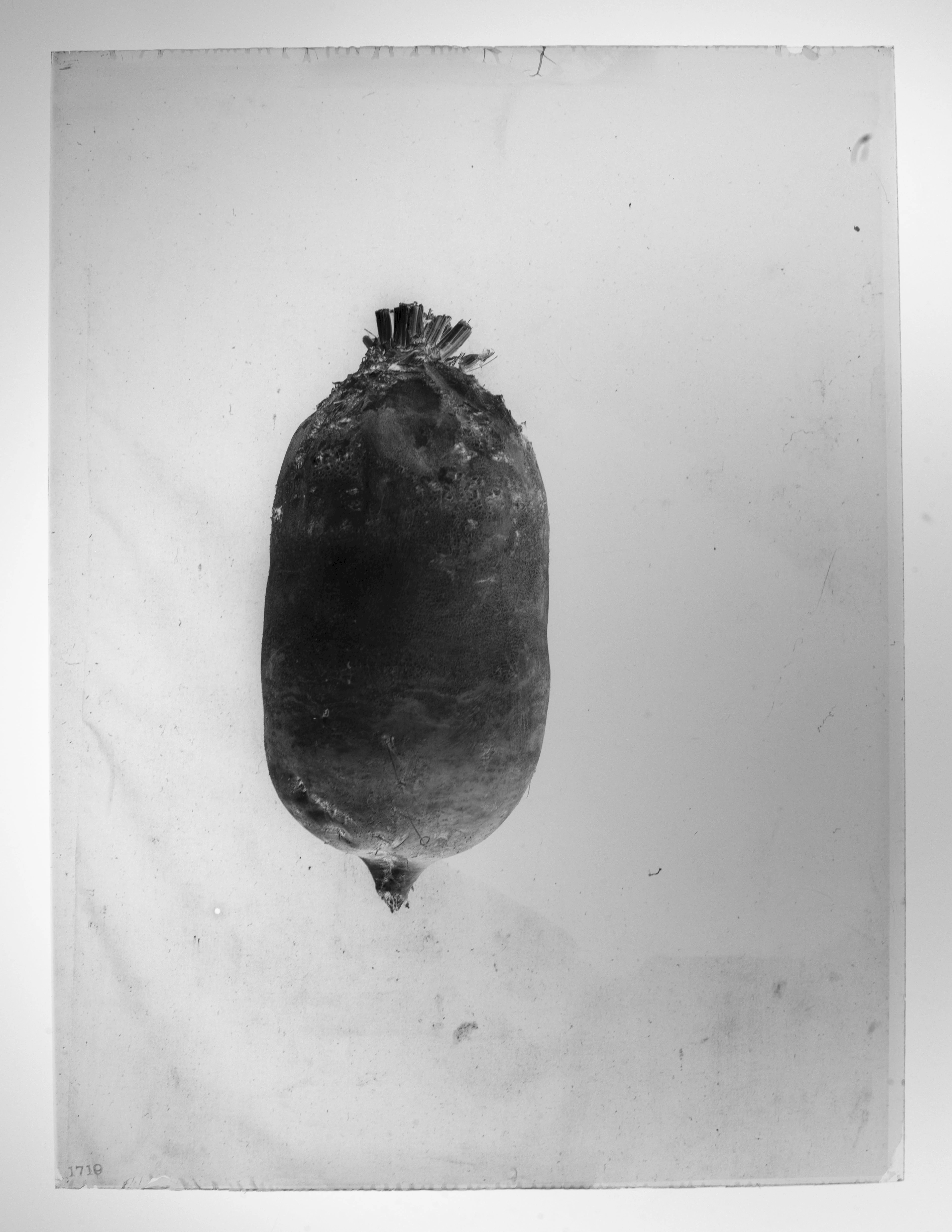
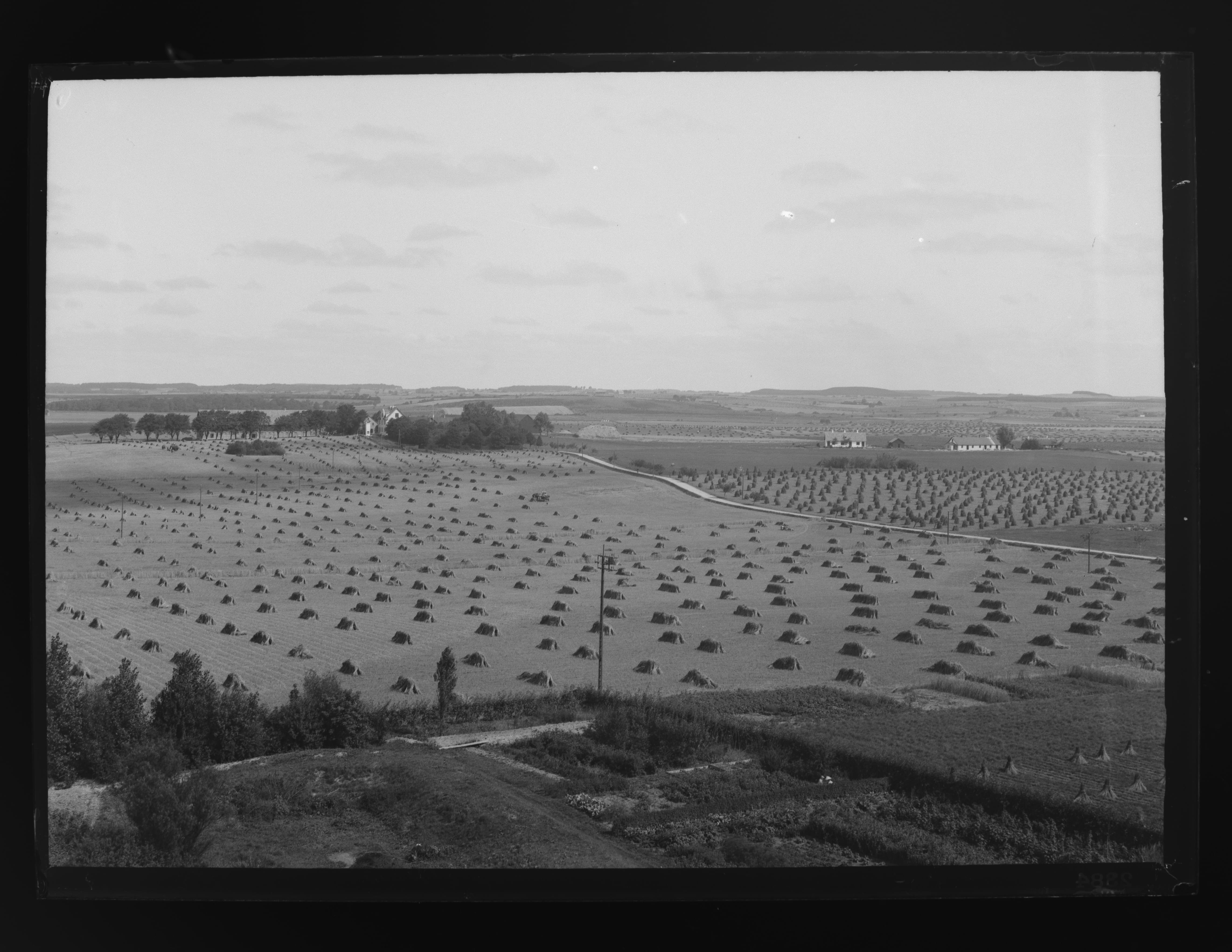
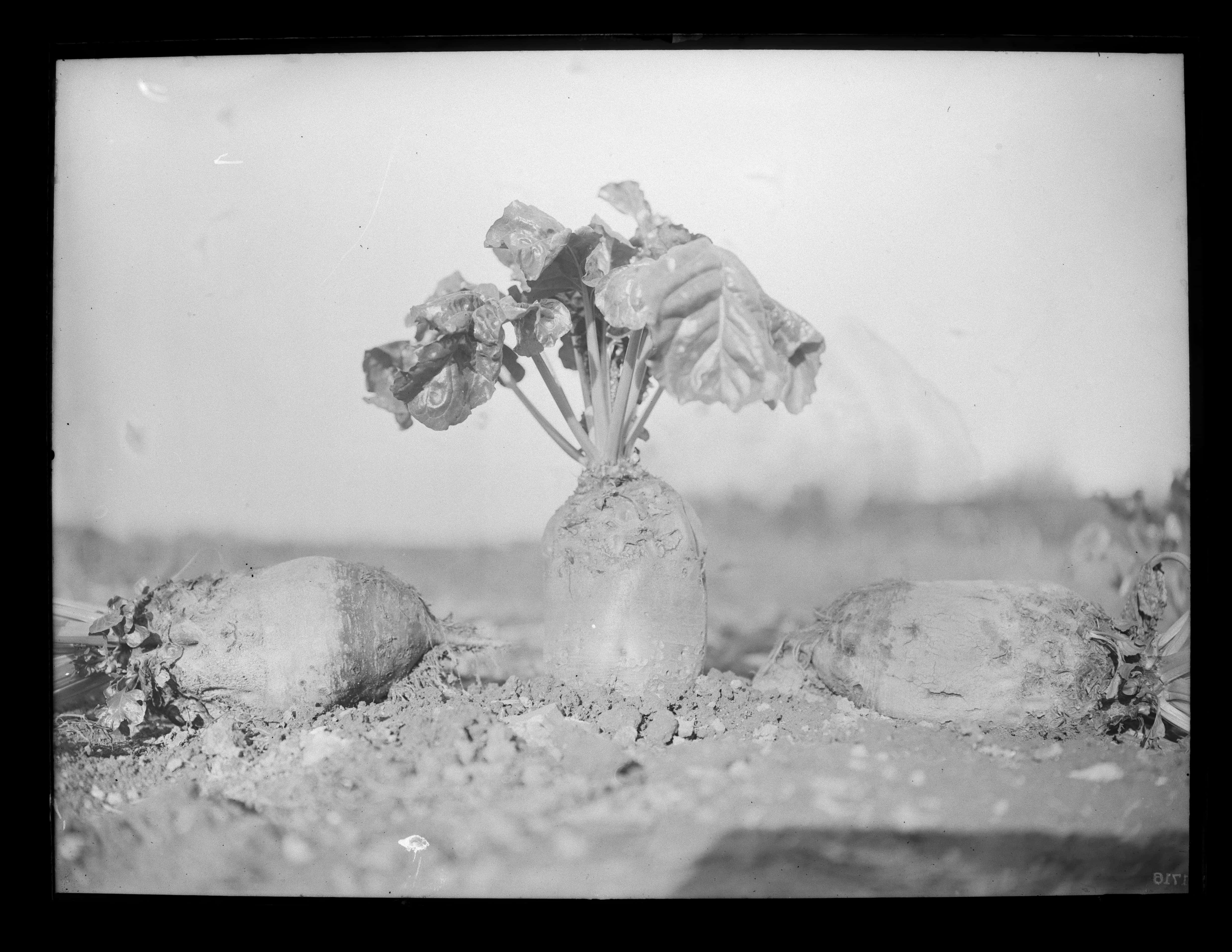
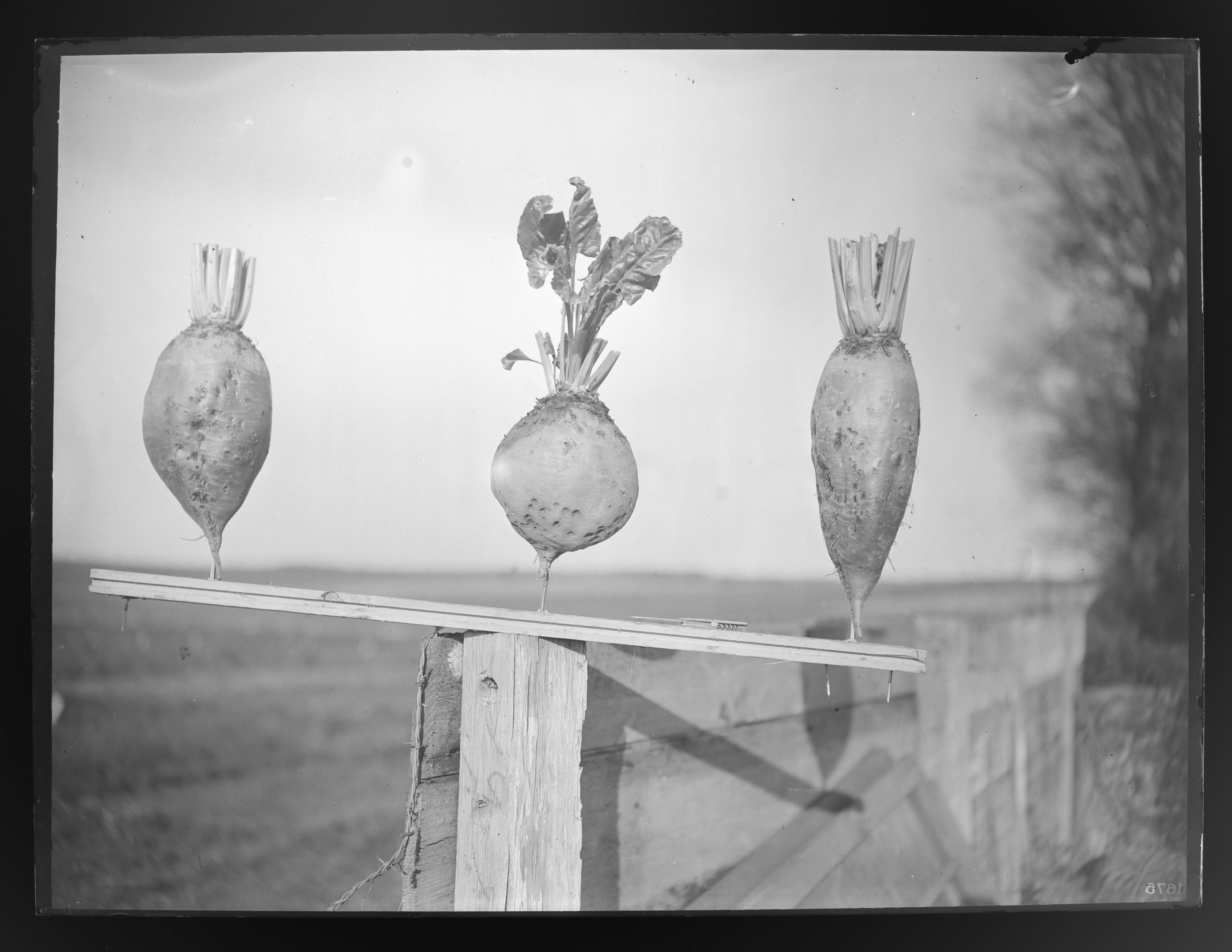
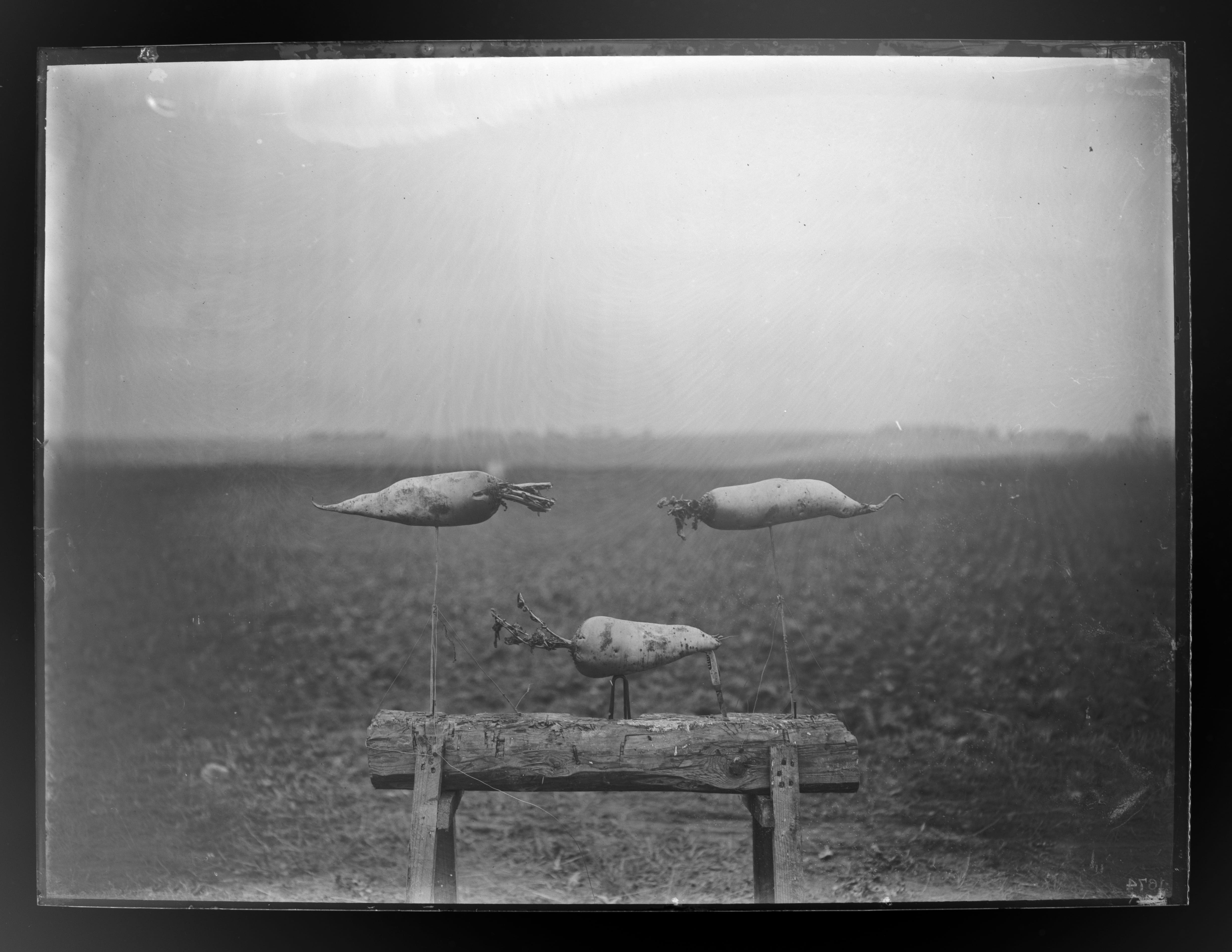
Disseminated through advertisements and thematic journals, these photographic representations of monoculture cultivation became vehicles for conveying a visual impression of what the agricultural landscape could become. Drivers towards the realization of an ‘original’ and ‘purified’ landscape, such images furthermore came to amplify what I call the eugenic imagination: voices from the eugenics movement would argue for the possibility – ultimately, the ‘duty’ – of ‘purifying’ and homogenizing life forms without restriction. The establishment of the State Institute for Racial Biology in Uppsala in 1922, an institution that politicians from all parties agreed would serve the common good, was directly fuelled by the results of the Swedish Seed Association’s activities.10
In 1936, together with geneticist Fritz Lenz, Erwin Baur and Eugen Fischer published their research in Human Heredity Theory and Racial Hygiene, a book that was to provide scientific justification for the biopolitical ideology of National Socialism.11 Baur and Fischer were, respectively, the directors of the Kaiser-Wilhelm-Institut für Züchtungsforschung (Kaiser Wilhelm Institute for Plant Breeding Research), founded in Müncheberg, Germany in 1928, and the Kaiser-Wilhelm-Institut für Anthropologie, menschliche Erblehre und Eugenik (Kaiser Wilhelm Institute of Anthropology, Human Heredity, and Eugenics), founded in Berlin in 1927 – both directly modelled on Swedish equivalents.12
During and following World War II, food shortages incentivized increased state control of agricultural production for the Axis and Allied powers, a centralization of structures and standards that would benefit both totalitarian interests and commercial food industries.13 State-level approval of uniform plant varieties incentivized industrial seed producers to claim that they had the right to collect royalties on their ‘new’ and ‘original’ varieties, regardless of the fact that they had been engineered by the mining of peasant-bred seeds’ genetic code. Some of these producers would grow into multinational enterprises after the war. Based in Europe, they joined forces for the instigation of the globally purposed International Union for the Protection of New Varieties of Plants (UPOV). Its declared aim was to ‘protect’ the commercial seed companies by stipulating ‘universal criteria’ for defining ‘original’ varieties as such that were copied from standards developed under the Nazi-controlled agricultural sector in Germany and France during the war: distinctiveness, uniformity and stability (DUS).14 In 1961, UPOV passed a convention defining how the so-called DUS criteria are to be applied, and not only in relation to breeding.15 It further stipulates that only crops meeting the DUS criteria are permitted to be grown for the market by professional farmers. This obliges farmers to pay royalties to the breeders of these varieties, including when they save the seeds from their own crops for the next season. Today, the UPOV convention is fully ratified by seventy-seven countries, including those belonging to the EU. Currently, while other large agricultural countries such as Argentina, Brazil and India are in the process of ratifying the agreement, peasant movements and civil-rights organizations in West and Central African countries where UPOV is currently mobilizing to gain access are pushing back against its implementation.16 The fact that the UPOV convention is packaged into free-trade agreements (FTAs) and further bilateral and global trade agreements such as TRIPS (on intellectual property) and TPPI (on trans-pacific trade) makes the negotiation of their every detail more complicated.
Excerpt from the film Cultivating Abundance by Åsa Sonjasdotter, made in dialogue with the plant breeder Hans Larsson and the Allkorn association, 2022
Returning to Cultivating Abundance, another trajectory exemplifying the peasant counter-movement to the impositions of agrobusiness follows the work of plant breeder Hans Larsson. In the early 1990s, Larsson initiated a research project on ecological farm systems at the Agricultural University in Alnarp, South Sweden. As part of the research, extant local peasant varieties of rye, wheat, oats and barley that had been stored in the Nordic Gene Bank’s deep freezers, located on the university’s grounds, were test-cultivated on campus.17 In collaboration with the farmers who would later form the seed association Allkorn, the project was extended to test-cultivate the grains on farms in various other climate zones. With this step, Larsson and the Allkorn members began very slowly – so slowly that it went unnoticed as an act of dissidence – to move these peasant grains away from the system controlled by the monoculture industry and into the hands and soils of farmers.
One vital stage in this process was that of attuning the crops to the current climate and soil conditions, altered since the grains were frozen. Larsson describes how he undertook this procedure by building upon the concept of ‘evolutionary plant-breeding’, which has become the established scientific term for breeding using traditional techniques and varieties. Central to this technique is that it involves a diverse range of varieties; that it is based on selection instead of imposed crossbreeding, and that it takes place with and within the surrounding habitat:
In order to breed plants, you need to find locations that emphasize the climate and the environment. Everything about the surroundings is important: the trees, the water sources, and the wild plants as well. You are, in fact, co-creating an environmental space. This is a place that has become a breeding ground. Where the land itself and the trees play a part.
Excerpt from the film Cultivating Abundance by Åsa Sonjasdotter, made in dialogue with the plant breeder Hans Larsson and the Allkorn association, 2022
By the time the plants are in blossom, the film team revisits the breeding ground. Larsson continues sharing the process:
The breeding of evolutionary material is a fairly recent approach. A variety has to be stable and uniform in order for it to be registered. And this is the total opposite. They’re not uniform, they’re not stable. Quite the contrary, these have evolutionary capacity in them. They’re a blend of many different varieties. And that mixture means that they have lots of resistance genes as well. So, these crops are healthy. And in truth, this is the only route that will lead to disease-resistance in the future.
Excerpt from the film Cultivating Abundance by Åsa Sonjasdotter, made in dialogue with the plant breeder Hans Larsson and the Allkorn association, 2022
Moving to the breeding ground’s collection of wheat varieties, Larsson continues:
The heirloom material is often more diverse with regard to colour. We don’t know why they come in different colours, but it appears to be tied to the plant’s antioxidant content. I’ve used it as a criterion for selection; I like to use the colourful varieties. I see it as a form of communication between the plants and the breeder. And that the plants are signalling something. I’ve often noticed that this colourful material develops nicely. It’s an indication that something is happening at a deeper level as well. And if there is a change at the genetic level, the colours shift as well.
Since a few years ago, Allkorn has been running a self-organized seed bank for storing and redistributing the grains regenerated and rebred by Larsson. This enables the association to operate autonomously, away from seed monopolies. However, according to the ruling seed laws, the members of Allkorn are not permitted to exchange their grains beyond the association. The law recognizes the association and its members as one and the same juridical body – not unlike the legal status of villagers prior to the land reforms. Within this legal body, exchange is allowed. But since the association is growing rapidly – at the time of writing it has come to include more than 450 members – Allkorn is forming a critical mass, moving away from dependence on the state-authorized agribusiness monopoly.
Allkorn is one example of the many powerful initiatives that the global peasant movement is mobilizing against the enforcement of industrial monoculture farming and its resulting erosion of ecosystems, social structures and local economies. With La Via Campesina as one of the main coordinators, represented in Sweden by the association NOrdBruk, this movement is also mobilizing several unilateral legal complexes against the seed industries’ claims. Central to these is Article 19 of the ‘United Nations Declaration on the Rights of Peasants and Other People Working in Rural Areas 2’ (UNDROP). The declaration was adopted in 2018 by the member states of the United Nations and marks a considerable shift in discourse. This statement defines and recognizes peasants, for whom traditional seed relations are central, as fundamental for food and agricultural production throughout the world. Further documents protecting traditional seeds are Articles 5, 6 and 9.3 of the ‘International Treaty on Plant Genetic Resources for Food and Agriculture’ (ITPGRFA), negotiated by the Food and Agriculture Organization of the United Nations (FAO) for open access to seeds stored in public seed banks, as well as Article 31 of the ‘United Nations Declaration on the Rights of Indigenous Peoples’.18 Ending seed monopolies is an important step towards opening up non-authoritarian and non-totalitarian agricultural relations with – and taken from and by – the soil.
Endnote: Abundance away from the scarcity/growth paradigm
The International Planning Committee for Food Sovereignty (IPC), an autonomous and self-organized global platform that works at regional as well as global levels towards advancing food sovereignty systems, includes not only peasants, but also other practitioners excluded from and resisting the legislative dictations of agrobusiness, including women and youth: small-scale food producers and growers landless rural and agricultural workers, fishers and fish workers, hunters and gatherers, pastoralists and herders, Indigenous peoples, and food consumers. The platform has mobilized a set of terms that are used by the IPC and its member organizations, in their political negotiations with regional, national and international bodies such as the Food and Agriculture Organization of the United Nations (FAO) and the World Trade Organization (WTO), to define peasants’ and Indigenous peoples’ practical, philosophical, social, and political conceptions. With regard to the term ‘traditional knowledge’, for example, the ‘International Treaty on Plant Genetic Resources for Food and Agriculture’ (ITPGRFA),19 which came about thanks to the negotiations of the IPC and other organizations, states the following:
Peasant and Indigenous Peoples’ traditional knowledge encompasses all knowledge, innovations and practices that peasant communities and Indigenous Peoples have developed over time, and continue to develop in the present and future, in order to preserve and develop biodiversity and to use it sustainably. Traditional knowledge has the following key characteristics:
It is based on oral transmission;
It encompasses dynamic knowledge that is constantly enriched by peasant and indigenous innovations;
It is essentially collective knowledge that is embedded in a social system of communities.
All measures to protect traditional knowledge need to take into account these criteria.20
The IPC’s policy documents, which serve as tools for political negotiation, are developed within and between its member organizations. In this way, together with those of other organizations, the IPC’s millions of members constitute a ‘social system of communities’ that collectively collate, describe and redefine the ‘worlds’ and conditions of their practices and knowledge systems, as a means to halt and resist their violation by state-authorized global agro-industry.
The shift towards monoculture plant cultivation made cultivars a matter of conservation and of scarcity. Of the many thousands of grain varieties that grew in farmers’ fields in southern Scandinavia before monoculture breeding was invented and implemented, only around one hundred were still alive to be stored in the Nordic Gene Bank when it was finally established in the 1970s. Today, the remnants of their genetic data are monitored and controlled by large administrative institutions such as the EU Database of Registered Plant Varieties or the Svalbard Global Seed Vault. These costly apparatuses make peasants’ seeds dangerously scarce, a reminder that scarcity is always relational. In Justice, Nature and the Geography of Difference (1996), geographer David Harvey elaborates scarcity’s political and ecological dimensions:
To say that scarcity resides in nature and that natural limits exist is to ignore how scarcity is socially produced and how ‘limits’ are a social relation within nature (including human society) rather than some externally imposed necessity.21
The process of slowly and repeatedly thawing frozen grains from the Nordic Gene Bank and reintroducing them into cultivation carried out by plant breeder Hans Larsson together with the Allkorn farmers, as described in Cultivated Abundance, is an insurgent act of rescue. In view of their initiative, the question arises as to why the seed industry was not convinced that monoculture varietals would come to reign without heavy legal protection. In the article ‘“The Goal of the Revolution Is the Elimination of Anxiety”: On the Right to Abundance in a Time of Artificial Scarcity’ (2016), the poet and scholar David Lloyd offers a response:
Perhaps, then, we need to recognize that precisely what neoliberal capital fears is abundance and what it implies. Abundance is the end of capital: it is at once what it must aim to produce in order to dominate and control the commodity market and what designates the limits that it produces out of its own process. Where abundance does not culminate in a crisis of overproduction, it raises the specter that we might demand a redistribution of resources in the place of enclosure and accumulation by dispossession. The alibi of capital is scarcity; its myth is that of a primordial scarcity overcome only by labor regulated and disciplined by the private ownership of the means of production.22
Considering Lloyd’s argument, how does abundance emerge, especially when starting from a place that for centuries has been marked by the paradigm of scarcity and growth? In Cultivating Abundance, Larsson describes how the process of traditional breeding, which generates an abundance in plant variation, cannot take place in an isolated laboratory. It needs to evolve in the living habitat, where ‘everything about the surroundings is important’. The breeders’ task here is that of ‘co-creating an environmental space’ in which the plants, according to Larsson, can thrive and open up for pollination. In line with Larsson’s description, the IPC’s policy documents emphasize the importance of the fact that peasant and Indigenous peoples’ traditional knowledge of plants emerges relationally, and which, as such, cannot be restricted to genetic information about a particular crop, variety, or plant characteristic. On the contrary:
[It] encompasses knowledge on how these plants relate with their environment and all other organisms or living beings that constitute the local ecosystem and, based on this, the ways in which they interact with other plants, animals and microorganisms, whether cultivated or wild, and the care to be taken in the event of problems related to the plants’ health, their nutritional and cultural use by human communities, etc. Furthermore, it is crucial to understand that such knowledge is embedded in a social system, meaning that it has been built in a community, and that it is continuously shared and enriched within this community.23
It is thus through the mobilization of peasant relationalities of cultivation, ‘through interaction with other plants, animals and microorganisms, whether cultivated or wild’, combined with continuous sharing, that communities in places marked by the paradigm of scarcity and growth (such as the agricultural landscape of southern Scandinavia, where this enquiry began) can contribute to the recovery of sensory relations and social responsibilities towards collectively generating abundance.
Related contributions and publications
-
Climate Forum I – Readings
Nkule MabasoEN esLand RelationsClimateHDK-Valand -

Decolonial aesthesis: weaving each other
Charles Esche, Rolando Vázquez, Teresa Cos RebolloLand RelationsClimate -

…and the Earth along. Tales about the making, remaking and unmaking of the world.
Martin PogačarLand RelationsClimatePast in the Present -
Art for Radical Ecologies Manifesto
Institute of Radical ImaginationLand RelationsClimateInstitute of Radical Imagination -
Pollution as a Weapon of War
Svitlana MatviyenkoClimate -

The Kitchen, an Introduction to Subversive Film with Nick Aikens, Reem Shilleh and Mohanad Yaqubi
Nick Aikens, Subversive FilmSonic and Cinema CommonslumbungPast in the PresentVan Abbemuseum
Related activities
-
HDK-Valand
Climate Forum I
The Climate Forum is a space of dialogue and exchange with respect to the concrete operational practices being implemented within the art field in response to climate change and ecological degradation. This is the first in a series of meetings hosted by HDK-Valand within L'Internationale's Museum of the Commons programme.
-
–Van Abbemuseum
The Soils Project

‘The Soils Project’ is part of an eponymous, long-term research initiative involving TarraWarra Museum of Art (Wurundjeri Country, Australia), the Van Abbemuseum (Eindhoven, Netherlands) and Struggles for Sovereignty, a collective based in Yogyakarta, Indonesia. It works through specific and situated practices that consider soil, as both metaphor and matter.
Seeking and facilitating opportunities to listen to diverse voices and perspectives around notions of caring for land, soil and sovereign territories, the project has been in development since 2018. An international collaboration between three organisations, and several artists, curators, writers and activists, it has manifested in various iterations over several years. The group exhibition ‘Soils’ at the Van Abbemuseum is part of Museum of the Commons. -
–VCRC
Kyiv Biennial 2023

L’Internationale Confederation is a proud partner of this year’s edition of Kyiv Biennial.
-
–MACBA
Where are the Oases?
PEI OBERT seminar
with Kader Attia, Elvira Dyangani Ose, Max Jorge Hinderer Cruz, Emily Jacir, Achille Mbembe, Sarah Nuttall and Françoise VergèsAn oasis is the potential for life in an adverse environment.
-
MACBA
Anti-imperialism in the 20th century and anti-imperialism today: similarities and differences

PEI OBERT seminar
Lecture by Ramón GrosfoguelIn 1956, countries that were fighting colonialism by freeing themselves from both capitalism and communism dreamed of a third path, one that did not align with or bend to the politics dictated by Washington or Moscow. They held their first conference in Bandung, Indonesia.
-
–Museo Reina Sofia
Sustainable Art Production
The Studies Center of Museo Reina Sofía will publish an open call for four residencies of artistic practice for projects that address the emergencies and challenges derived from the climate crisis such as food sovereignty, architecture and sustainability, communal practices, diasporas and exiles or ecological and political sustainability, among others.